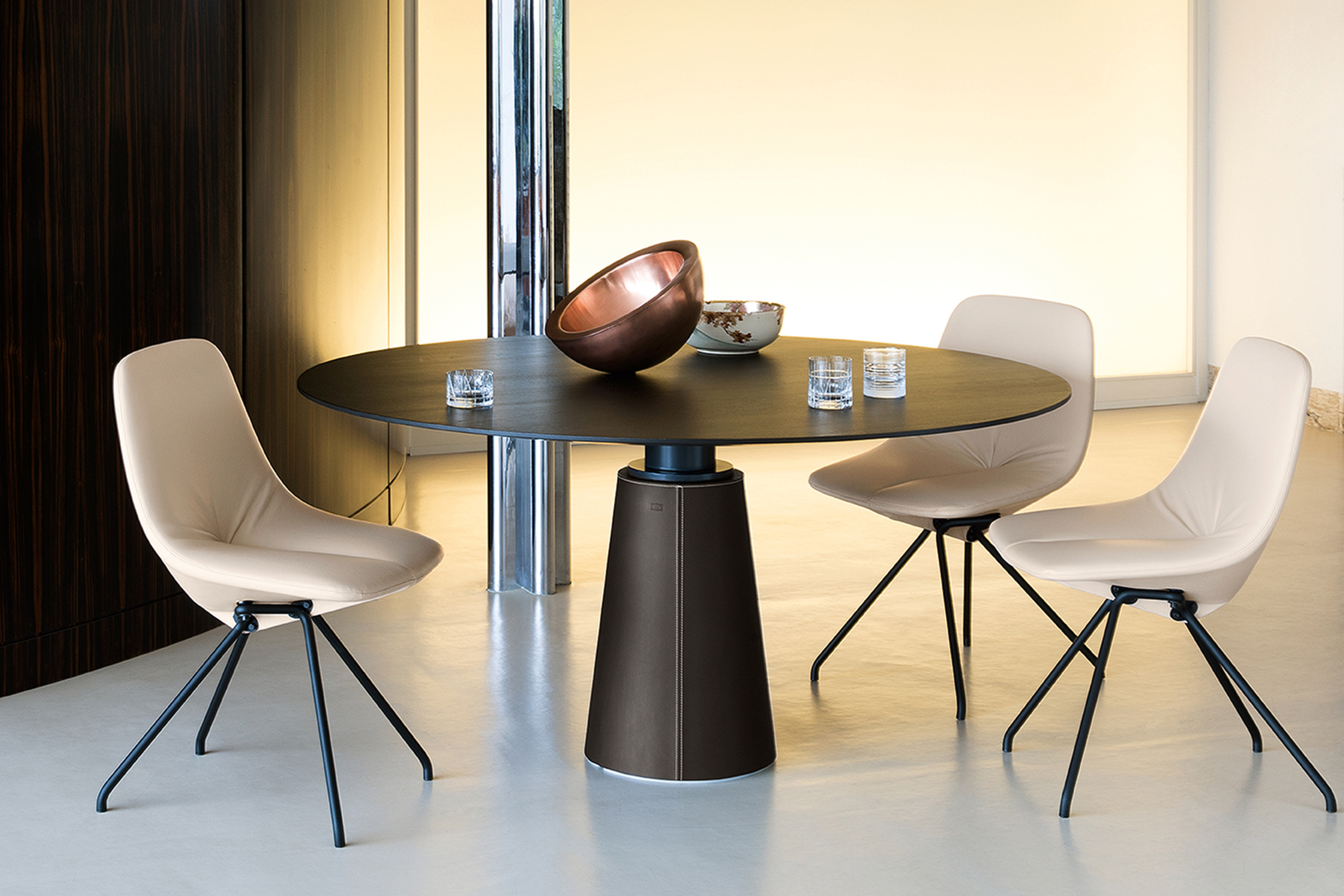
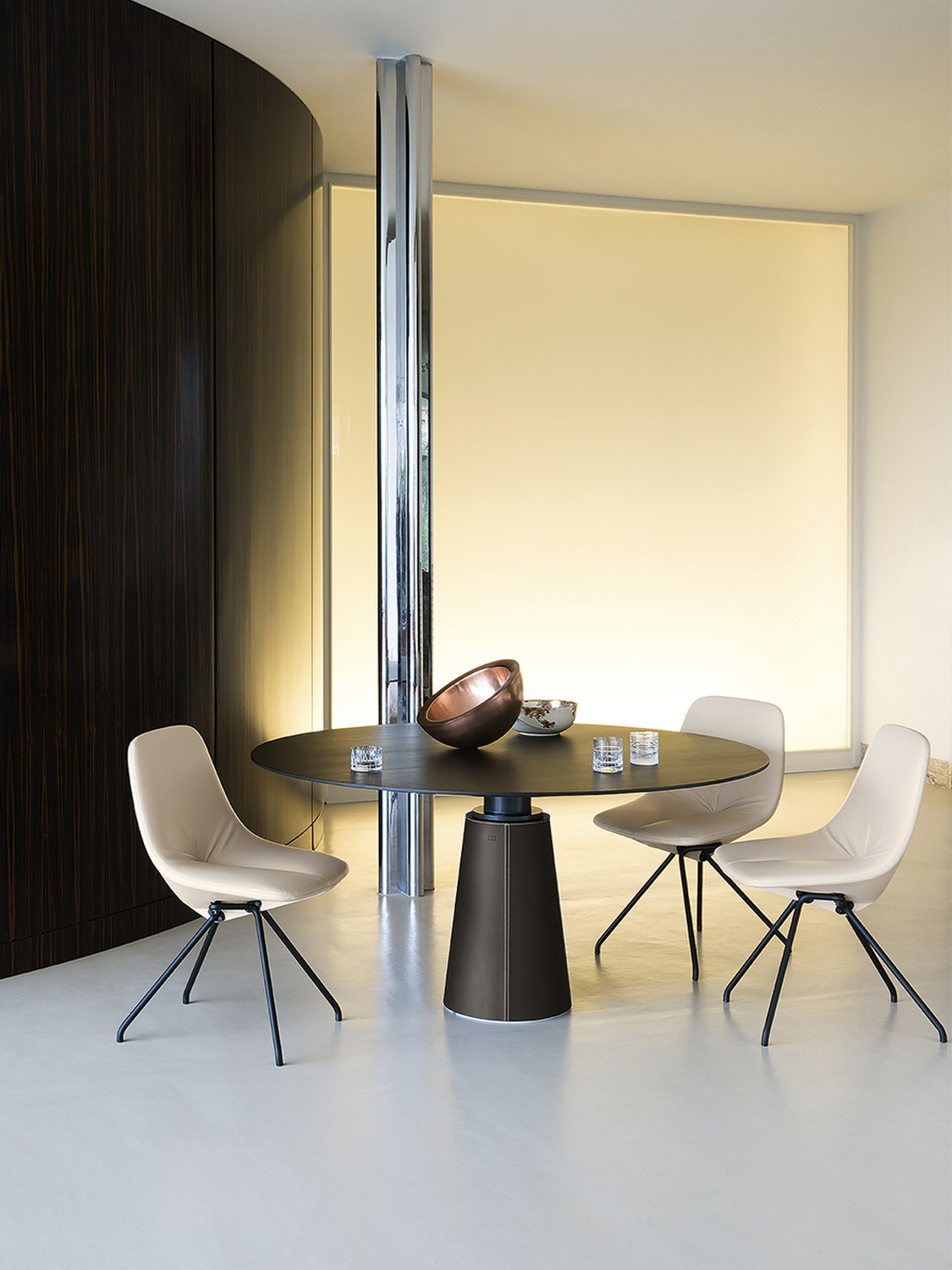
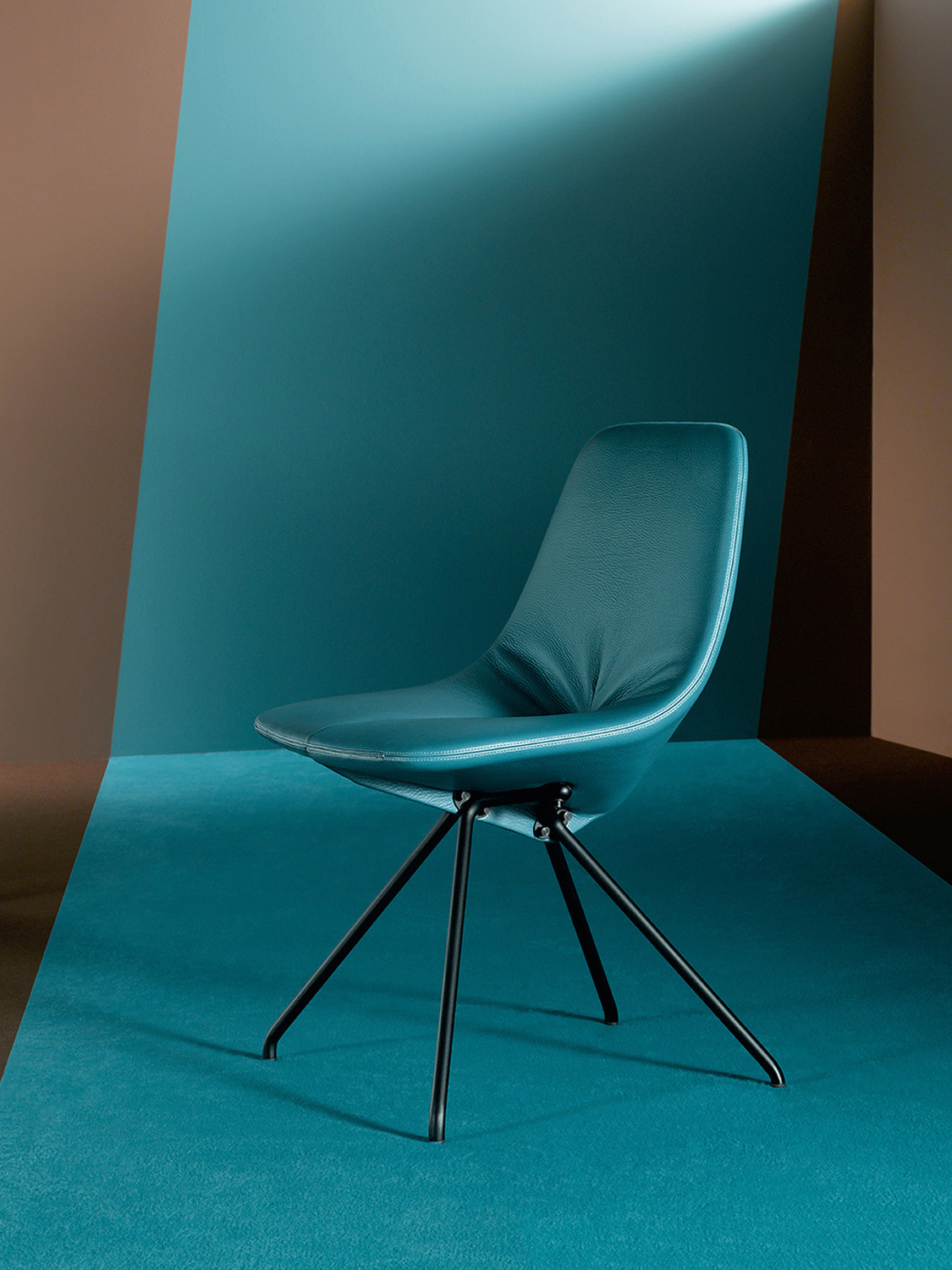
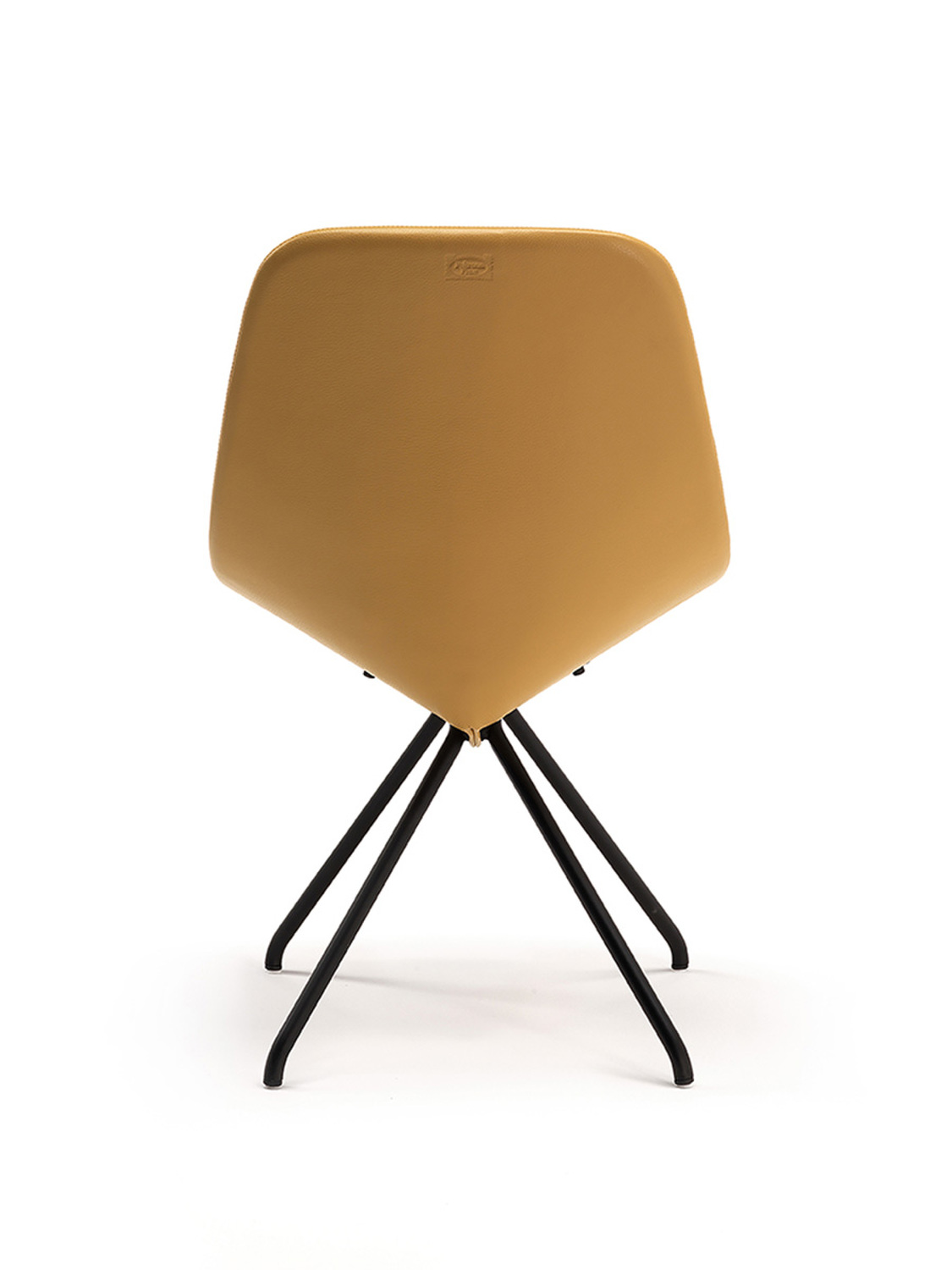
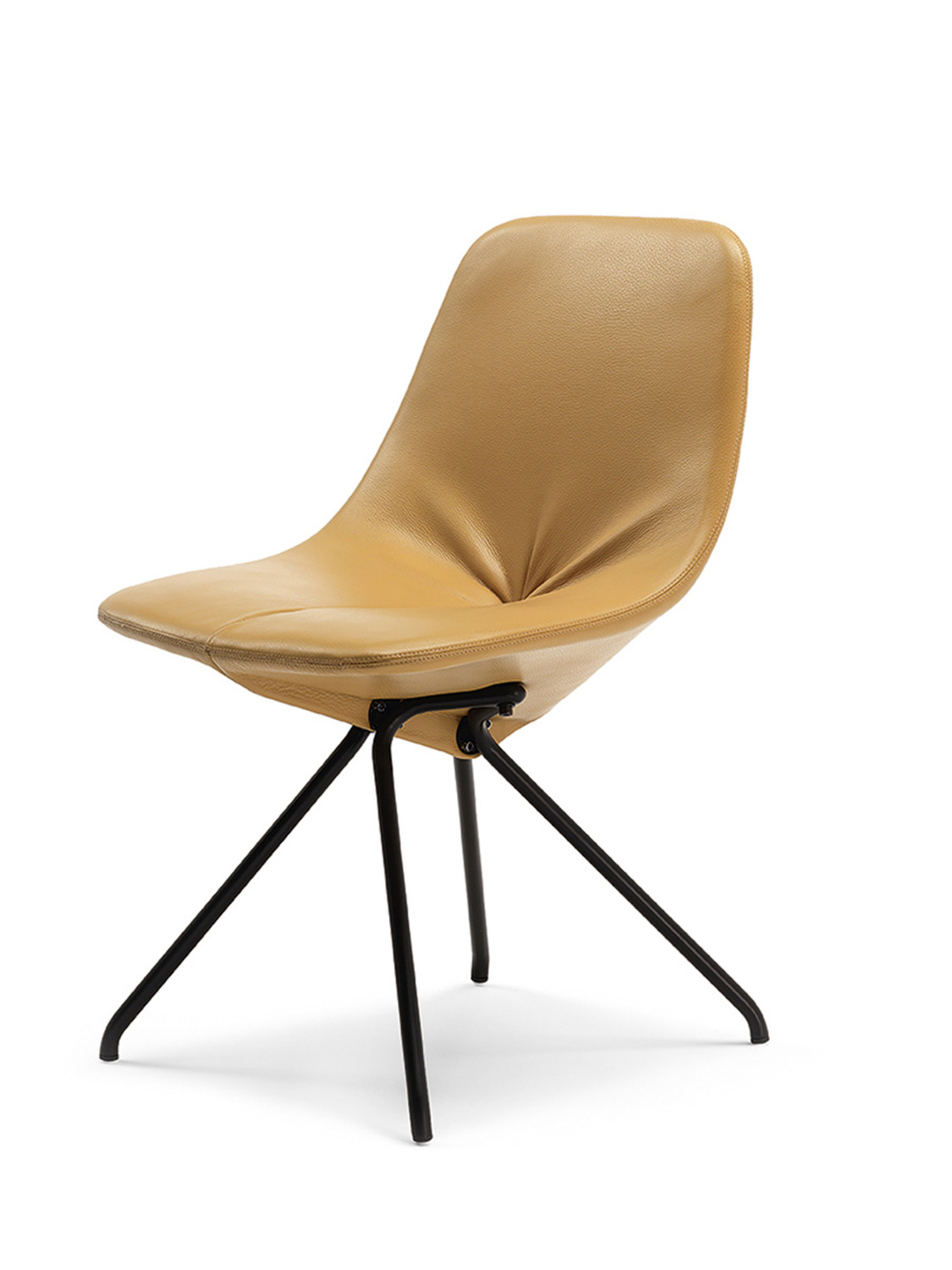
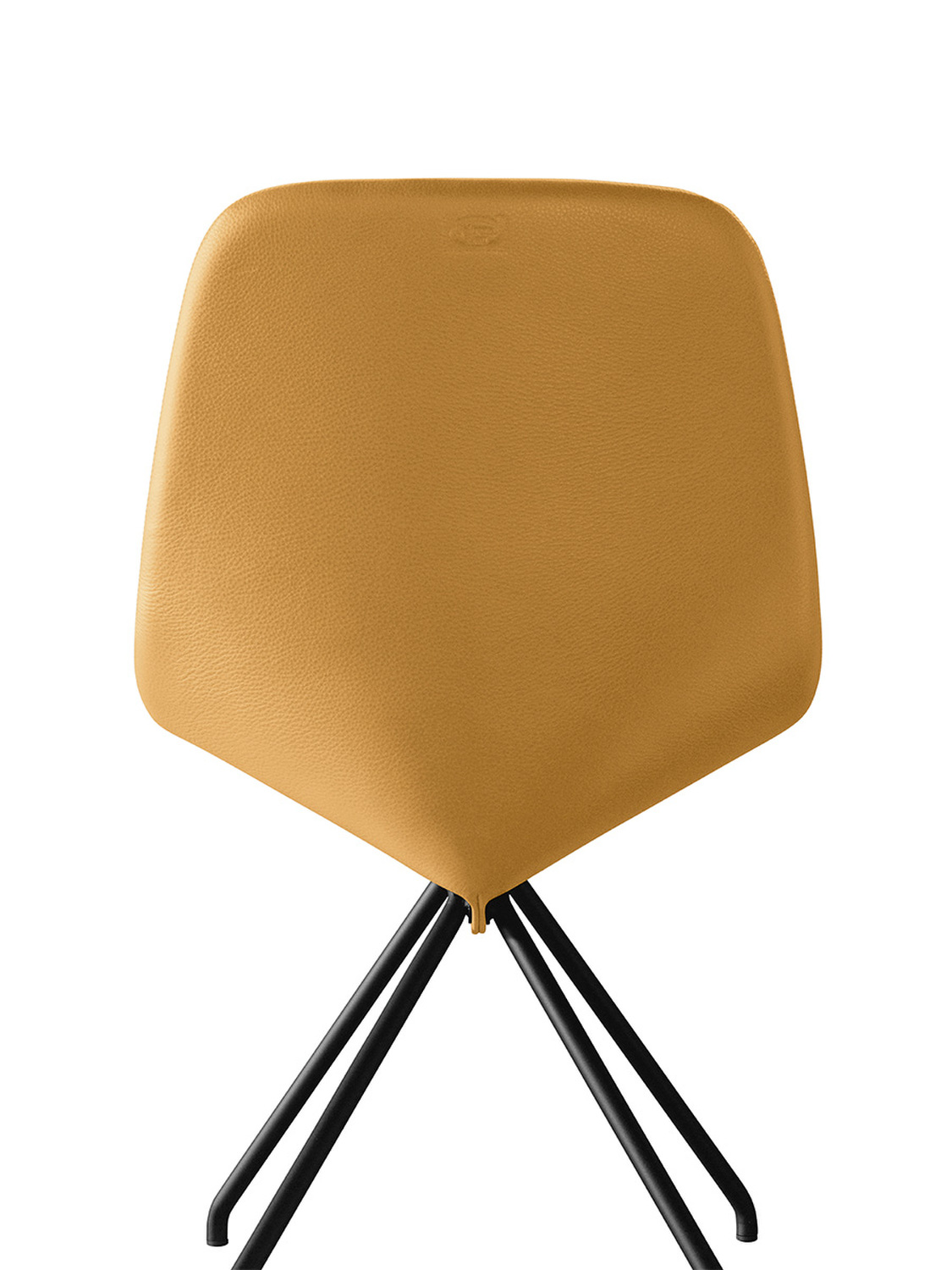


































































































































































































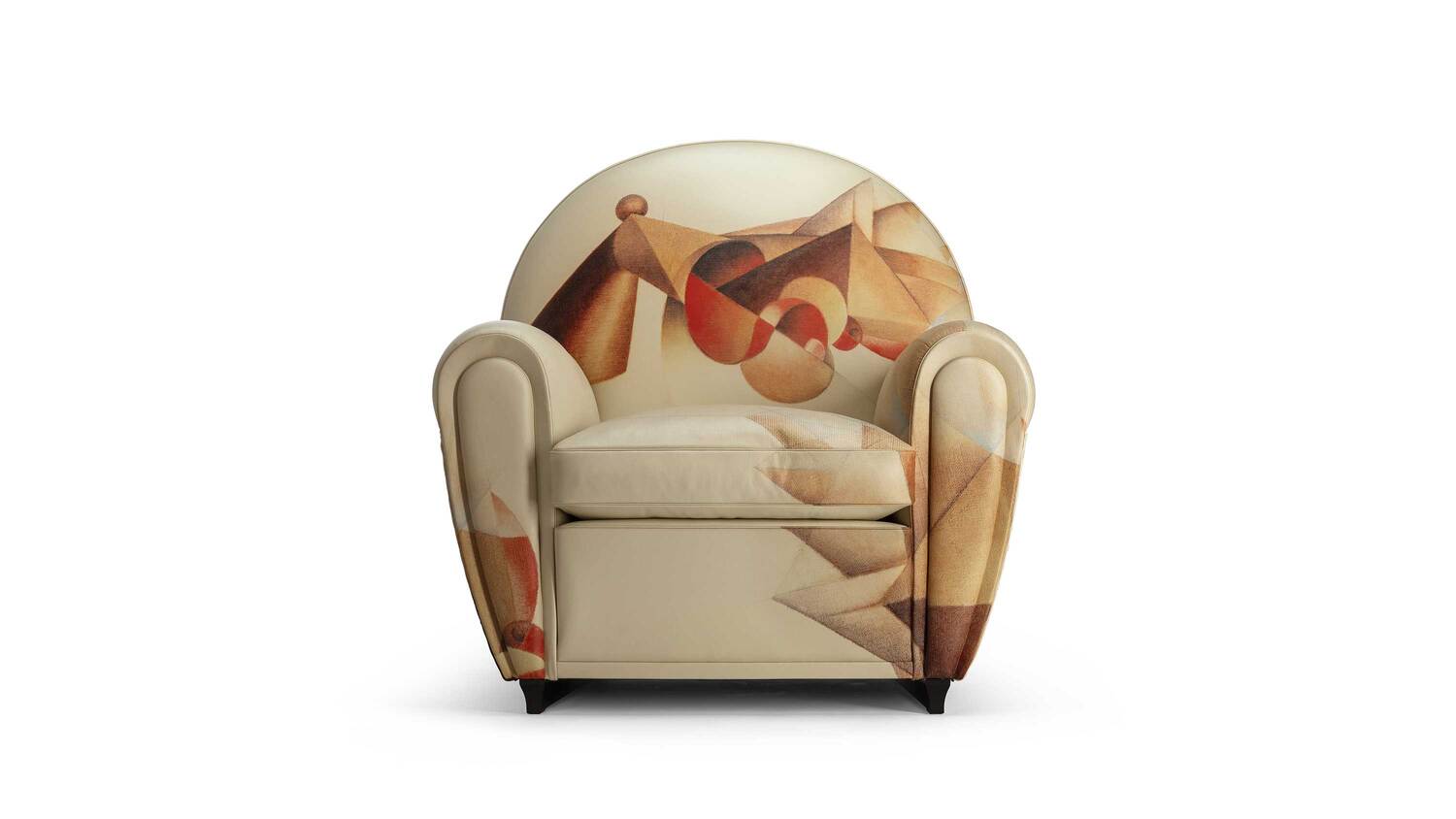
DU 30 chair by Poltrona Frau, with steel frame and Pelle Frau® seat, an icon of 1950s Italian design.

Du 30 | Chair

Gastone Rinaldi

Starting from
€ 1.550

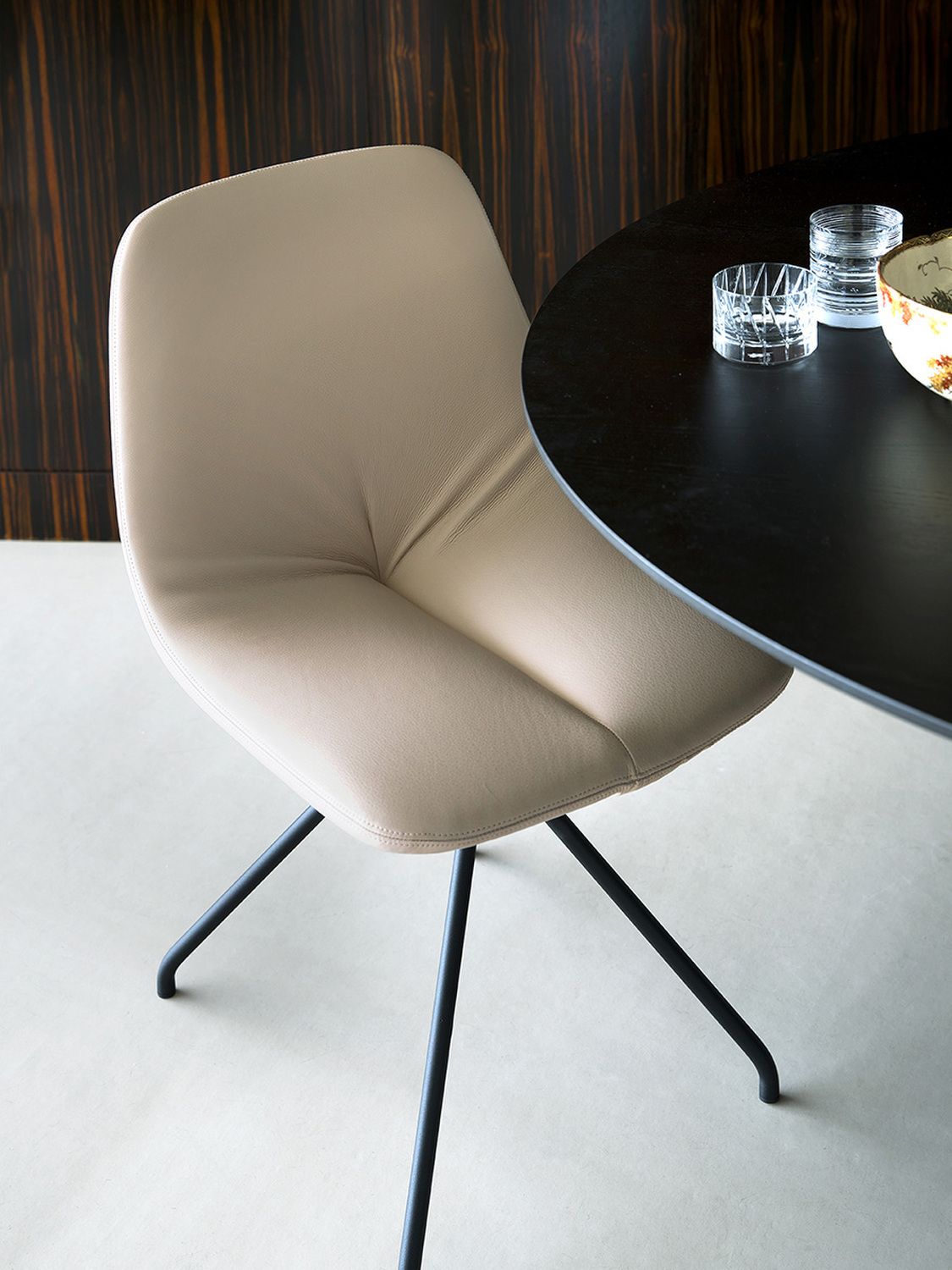
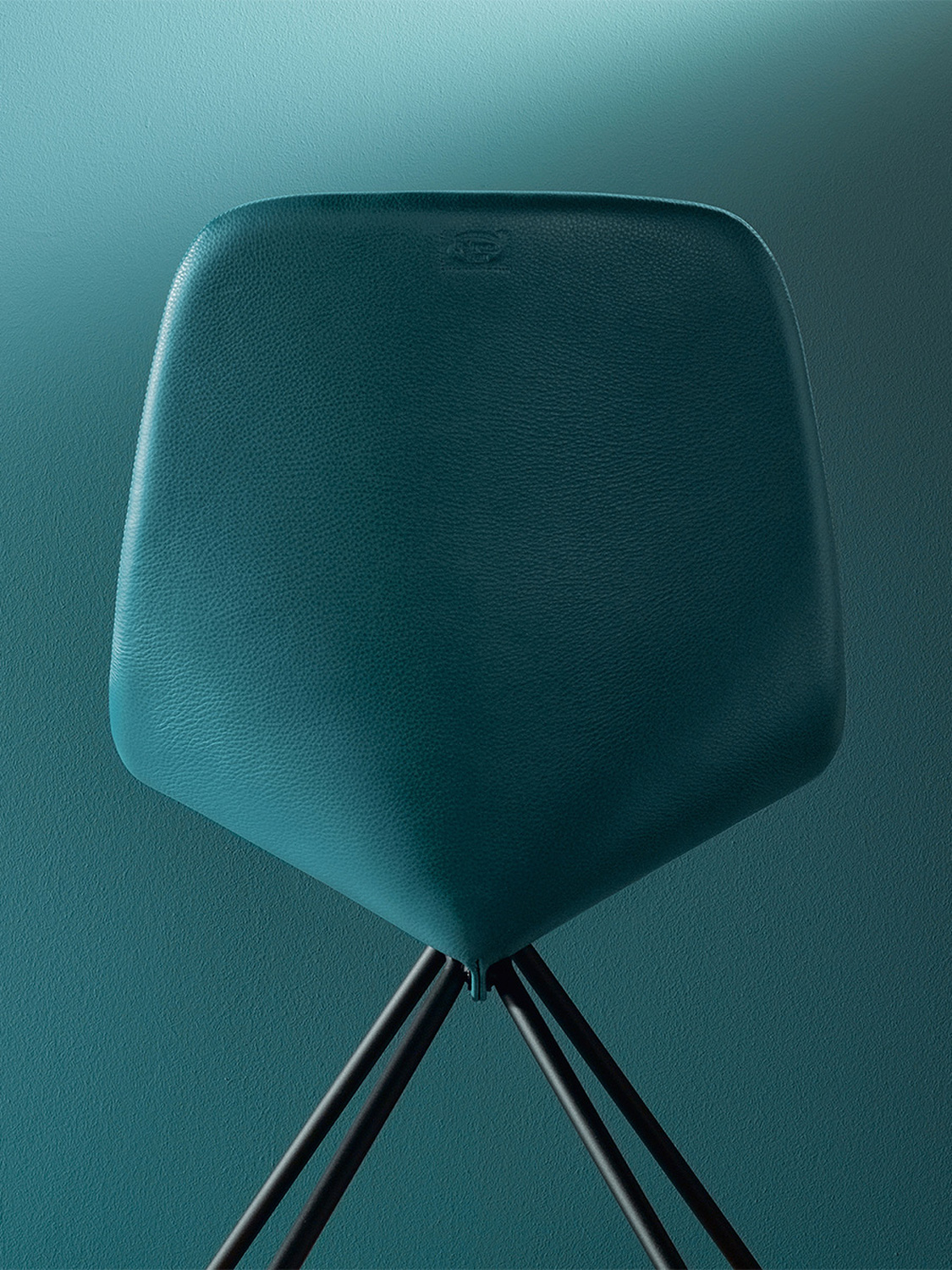
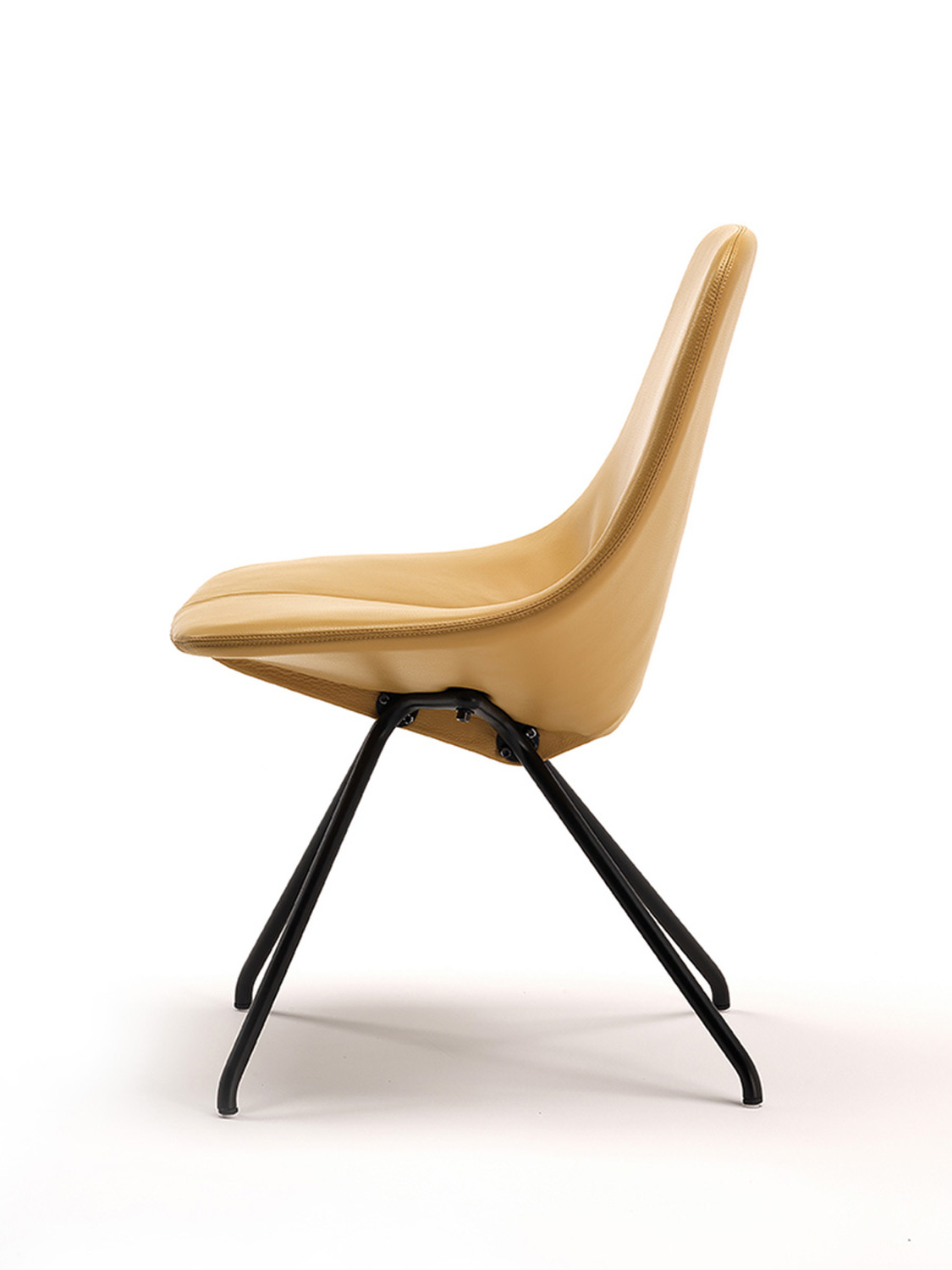
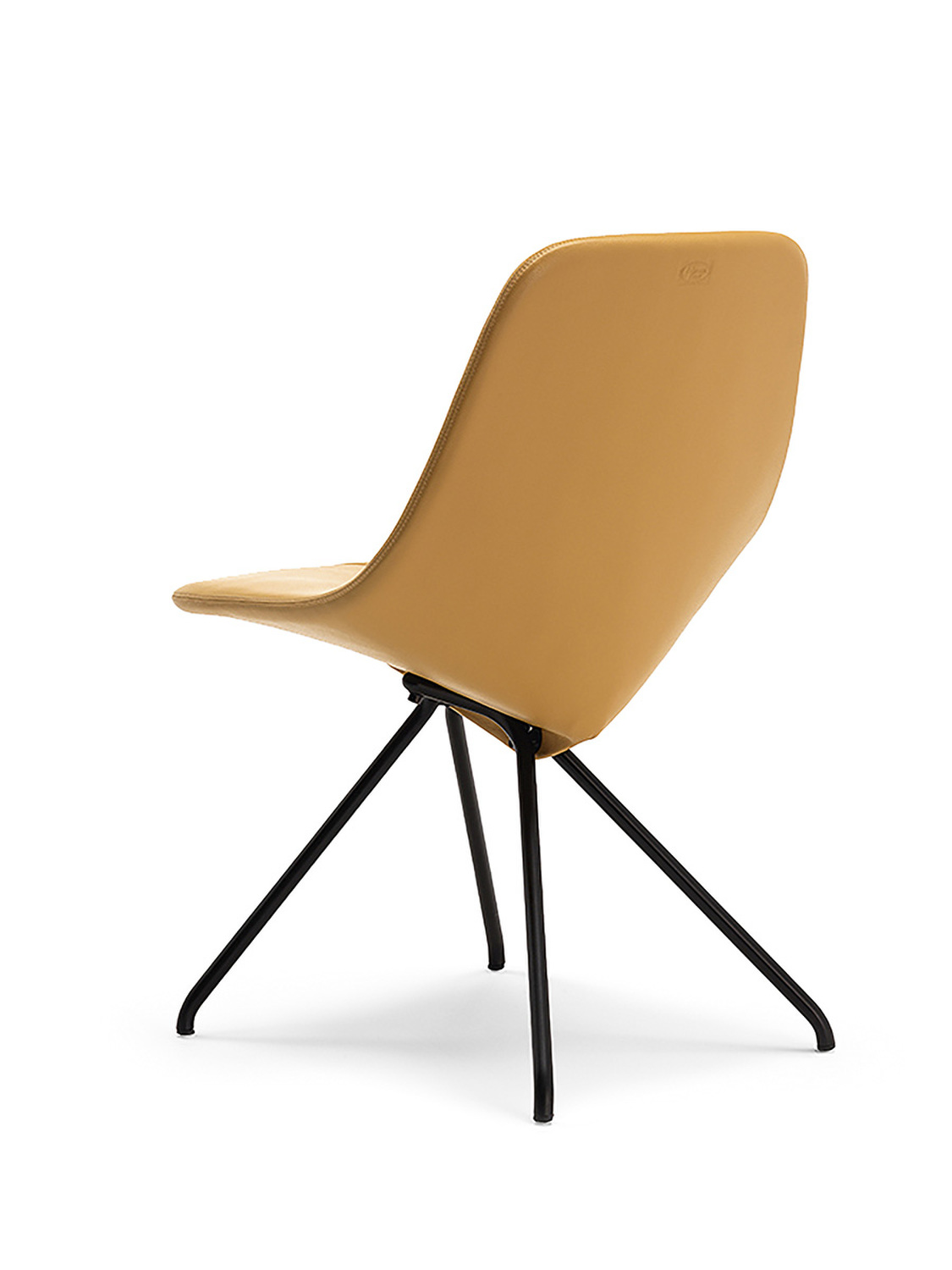
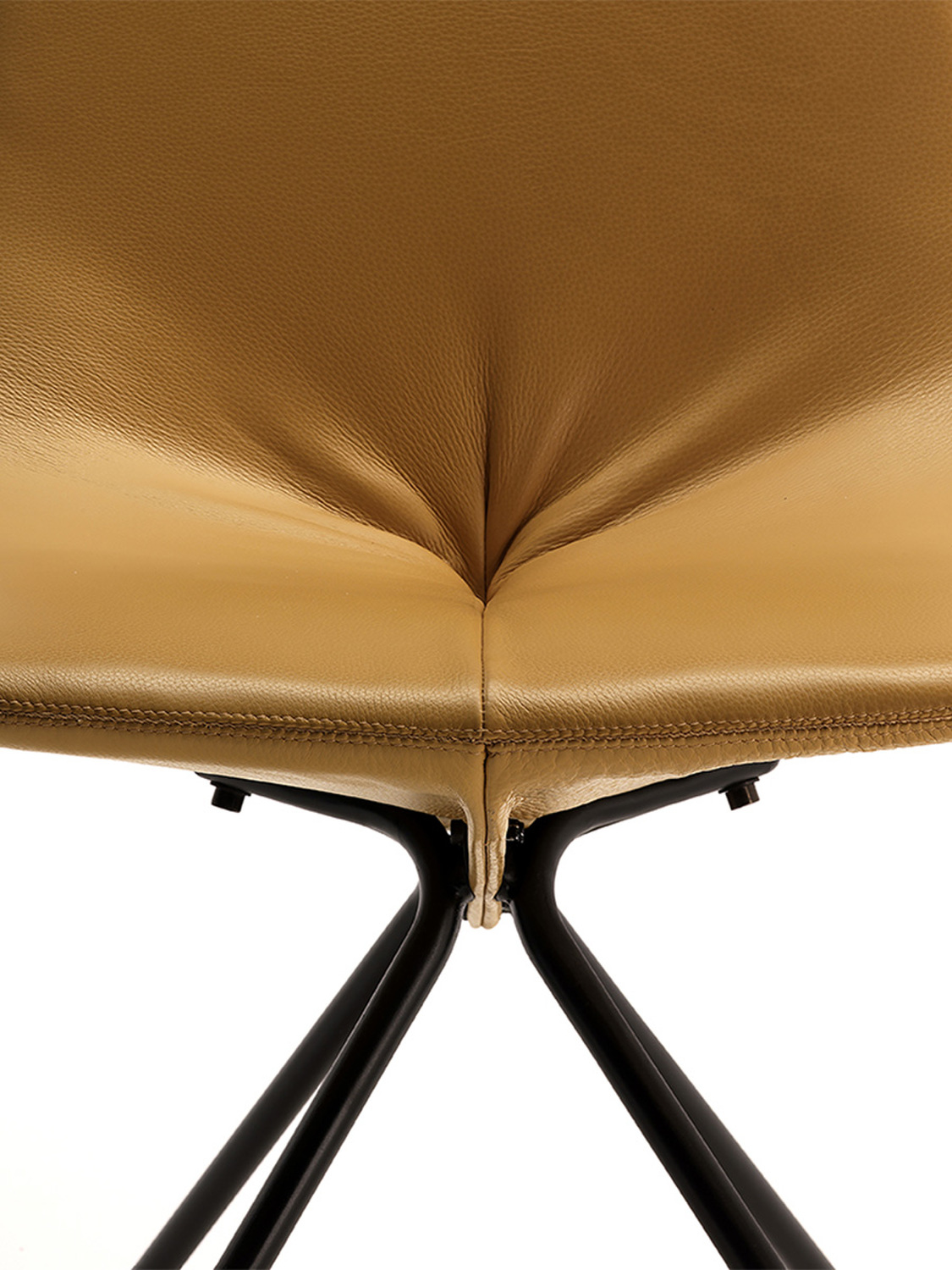
The DU 30 armchair has a shaped single shell in steel mesh with moulded polyurethane foam padding. Legs in bent and welded iron tubing with a textured, wrinkled black finish (BLACK RAL 9005). Equipped with a lower ‘backbone’, the shell is directly screwed to each pair of legs. The padding is in moulded polyurethane foam and the upholstery is in Pelle Frau® leather, distinctive for its central stitching which begins at the bottom of the backrest, where gentle folds are formed, and continues right along the seat. The front is embellished with hand stitching.

Item added to cart

Du 30 | Chair

Gastone Rinaldi
Loading
Loading
Proceed with selection
Visuals shown are for illustration purposes only. Actual finish and/or pattern may vary due to unique characteristics of natural raw materials

Upholstery Info

qty

Unit price

The price refers to the product configuration currently selected

Concept and Design

Designed in late 1953, the DU 30 armchair is certainly Gastone Rinaldi’s most famous piece. In fact, it was awarded the Compasso d’Oro, then known as the Compasso d’Oro-Rinascente, in 1954, the first year the prize was presented. The jury included the likes of Gio Ponti, Marco Zanuso and Alberto Rosselli. The DU 30 armchair was immediately patented and appeared on the front cover of the first edition of Stile Industria magazine in June 1954. The unitary nature of the seat and backrest results in a central cutting and stitching effect that brings to mind the contemporary works of Lucio Fontana.

gastone rinaldi
Designed by
Gastone Rinaldi

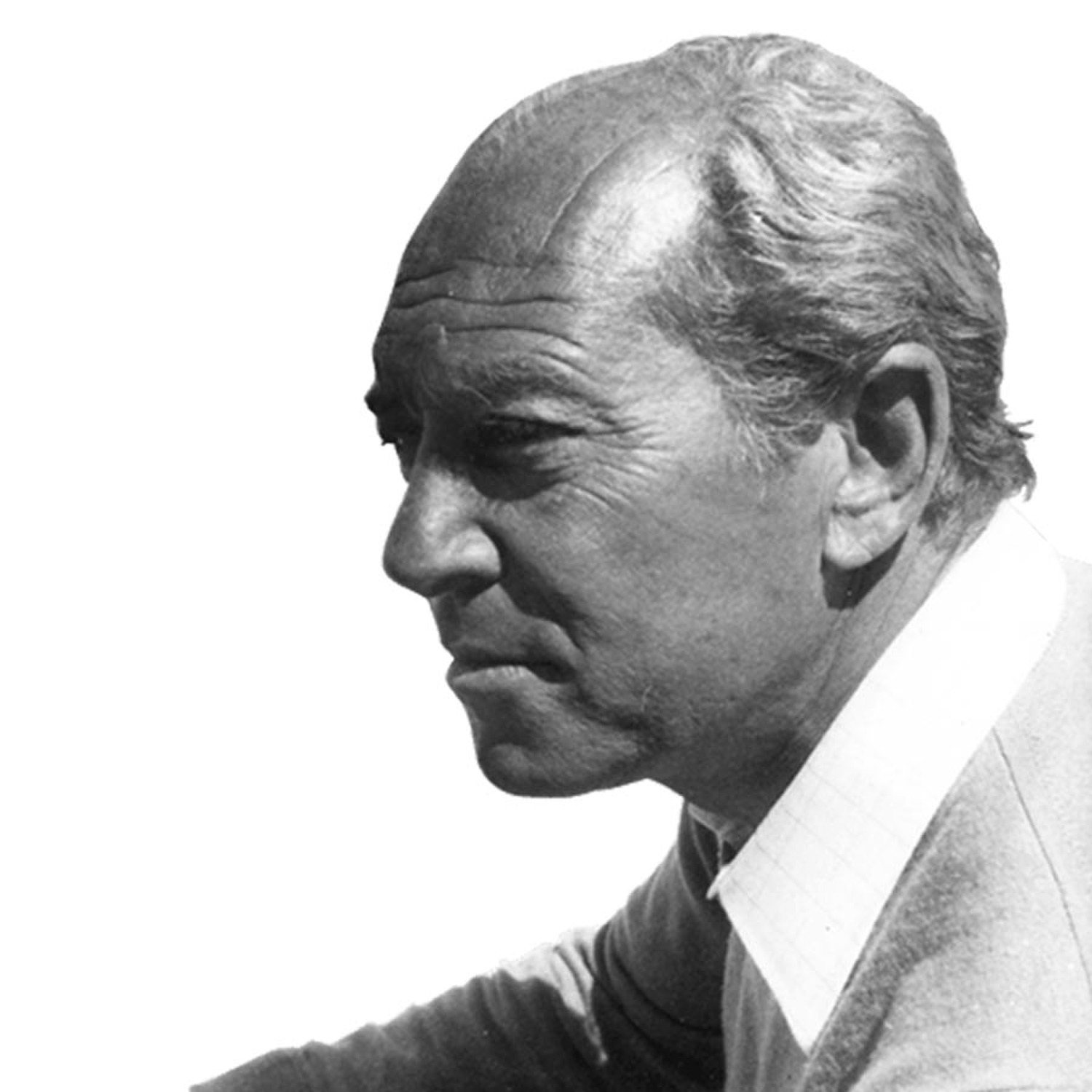
Gastone Rinaldi was born in Padua on 16 November 1920. In 1916 his father Mario had established RIMA, a company for the production of metal furniture. Gastone enrolled in the Faculty of Economics, but he was passionate about design and sport (as a footballer, he went as far as playing with Cremona, at the time very strong, and as a racing car driver, he took part in the legendary Thousand Mile race). In 1948, together with his brother Giorgio, he took over from his father in managing the business. He met Gio Ponti and in 1950 he designed the chairs (DU10 and DU11) for the Hospital Section of the IX Milan Triennial. At the same Triennial, the DU9 chair was also presented. Domus published his creations regularly.

In 1952, he attended the XXX Milano Fair in the section curated by Alberto Rosselli, Ettore Sottsass and Marco Zanuso. The armchairs for the Piccolo theatre of Milan followed, with Zanuso. In 1954, he won the Compasso d’Oro for the chair DU30. He participated with Ponti, Parisi, De Carli and Gardella in the American adventure of Altamira, one of the first companies across the ocean to call Italian designers. He therefore worked with Carlo Mollino on the chairs for the Molinette Hospital of Turin. In 1957, the armchair DU41 won the silver medal at the XI Triennial. However the internal relations within RIMA became complex and in 1974 Rinaldi established Thema. In 1978, he obtained a nomination for the Compasso d’Oro for the armchair Arianna and in 1981 another for the folding chair Dafne. Thema closed in 1989, Gastone Rinaldi died in Padua on 02 March 2006.

Coverings and finishes

Dimensions
01 du 30 chair 5578001
View all
Downloads

2d dwg
fbx
obj
3ds

The DU 30 chair by Poltrona Frau is one of those designs that successfully combines immediate visual appeal, historical significance, and contemporary functionality. Designed by Gastone Rinaldi in 1953 and awarded the prestigious Compasso d’Oro in 1954, it stands out for its essential yet unmistakable silhouette, where the upholstered shell appears to have been drawn in a single continuous gesture. Its presence is clean, graphic, and distinctive, yet never overwhelming—a quality that makes it ideal for interiors seeking an iconic but understated statement piece.


In a dining room, the DU 30 is particularly well suited to those looking for an elegant chair for long, convivial dinners, with a shape that supports the body while maintaining a visually light appearance. Its compact dimensions also make it ideal around substantial dining tables in marble, solid wood, or glass, where seating must complement strong materials without competing with the architecture of the space. It is an especially appealing choice for those who want to optimize space while maintaining a sophisticated aesthetic.


The central seam that runs across both the backrest and seat is one of the design’s most distinctive features. It is more than a decorative detail: it introduces rhythm, identity, and depth to the surface, making the chair particularly effective for those wishing to incorporate a strong yet refined graphic element into an interior project. In minimalist environments, this feature allows the DU 30 to stand out naturally; in richer settings, it helps create visual order and continuity.


For urban apartments, compact dining rooms, or carefully curated vacation homes, the DU 30 responds exceptionally well to the need for designer seating in limited spaces. Its lightweight profile, combined with the metal frame and upholstered shell, gives it a clean visual appearance that integrates easily into both contemporary interiors and mid-century-inspired settings. Paired with neutral walls, wood paneling, hardwood floors, or textured surfaces, it immediately conveys a sense of design culture and aesthetic precision.


The DU 30 is also highly suitable for professional offices, meeting rooms, and executive environments where authority must be communicated without excess. In these settings, the combination of leather upholstery and metal structure expresses rigor, quality, and permanence. It is a chair that appeals to those seeking furnishings capable of conveying reliability, attention to detail, and stylistic awareness without resorting to unnecessary embellishment.


Within the hospitality and contract sectors, it finds a natural place in upscale restaurants, boutique hotels, private dining rooms, and showrooms, where offering a recognizable, elegant, and durable seating solution is essential. Its historical significance, combined with exceptional craftsmanship, makes it particularly attractive to those who wish to introduce not only a beautiful chair but also an object with a compelling design legacy.


From a materials perspective, the Pelle Frau® leather upholstery enhances the tactile and tailored character of the project, while the metal structure reinforces its architectural presence. This balance makes it ideal for those seeking an elegant contrast between the softness of the surface and the precision of the frame. In lighter color palettes, the chair acquires a bright and sophisticated presence; in deeper or richer tones, it becomes a stronger statement piece, perfectly suited to interiors with an international character.


The DU 30 chair is therefore an especially appropriate solution for those who wish to furnish with intention, introducing into a home or professional setting a seating piece that combines design heritage, everyday comfort, and expressive strength. It is the ideal answer for those seeking an iconic, compact, and highly distinctive chair, capable of functioning equally well as a harmonious complement or as a true focal point within a space.