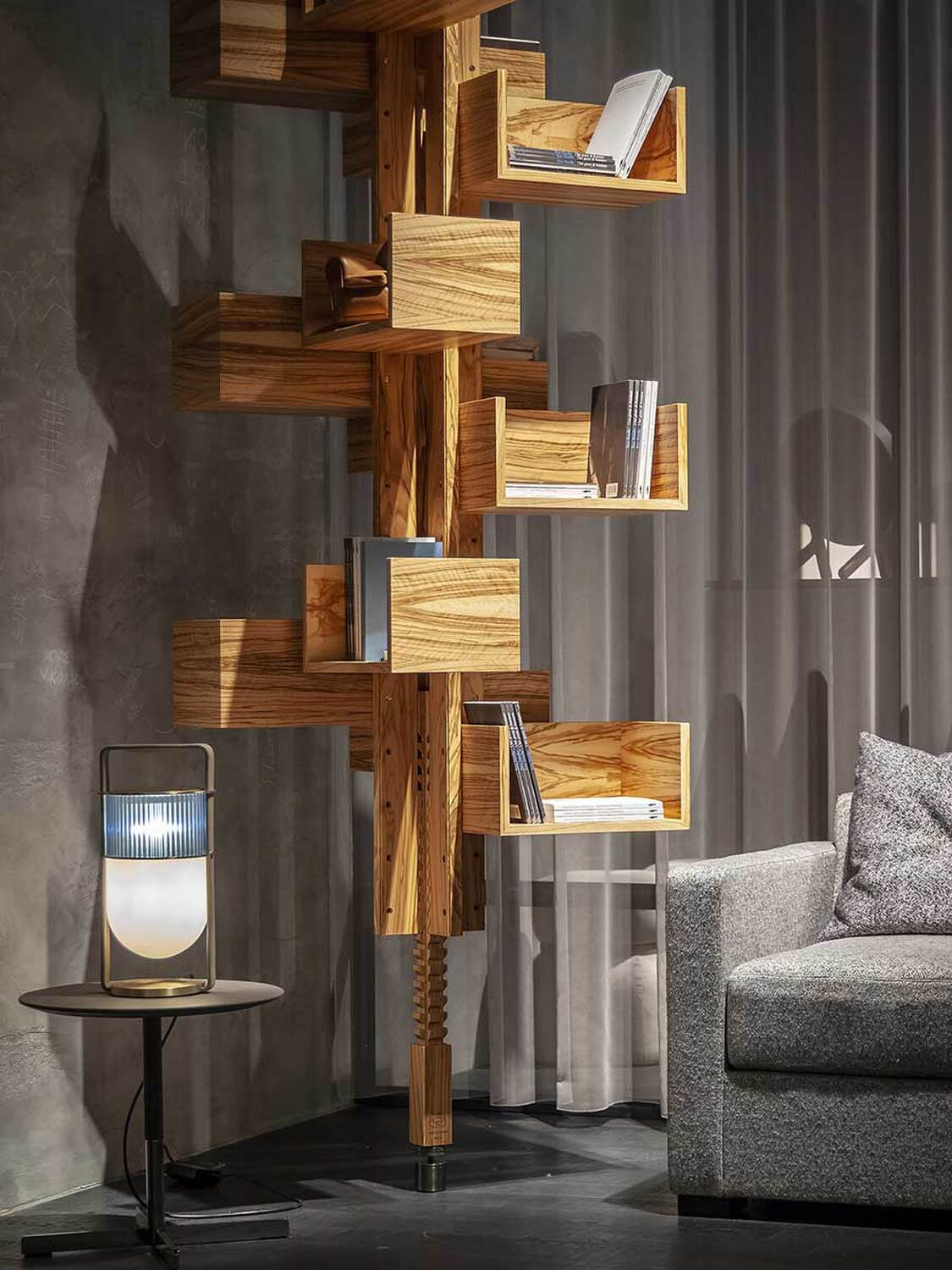
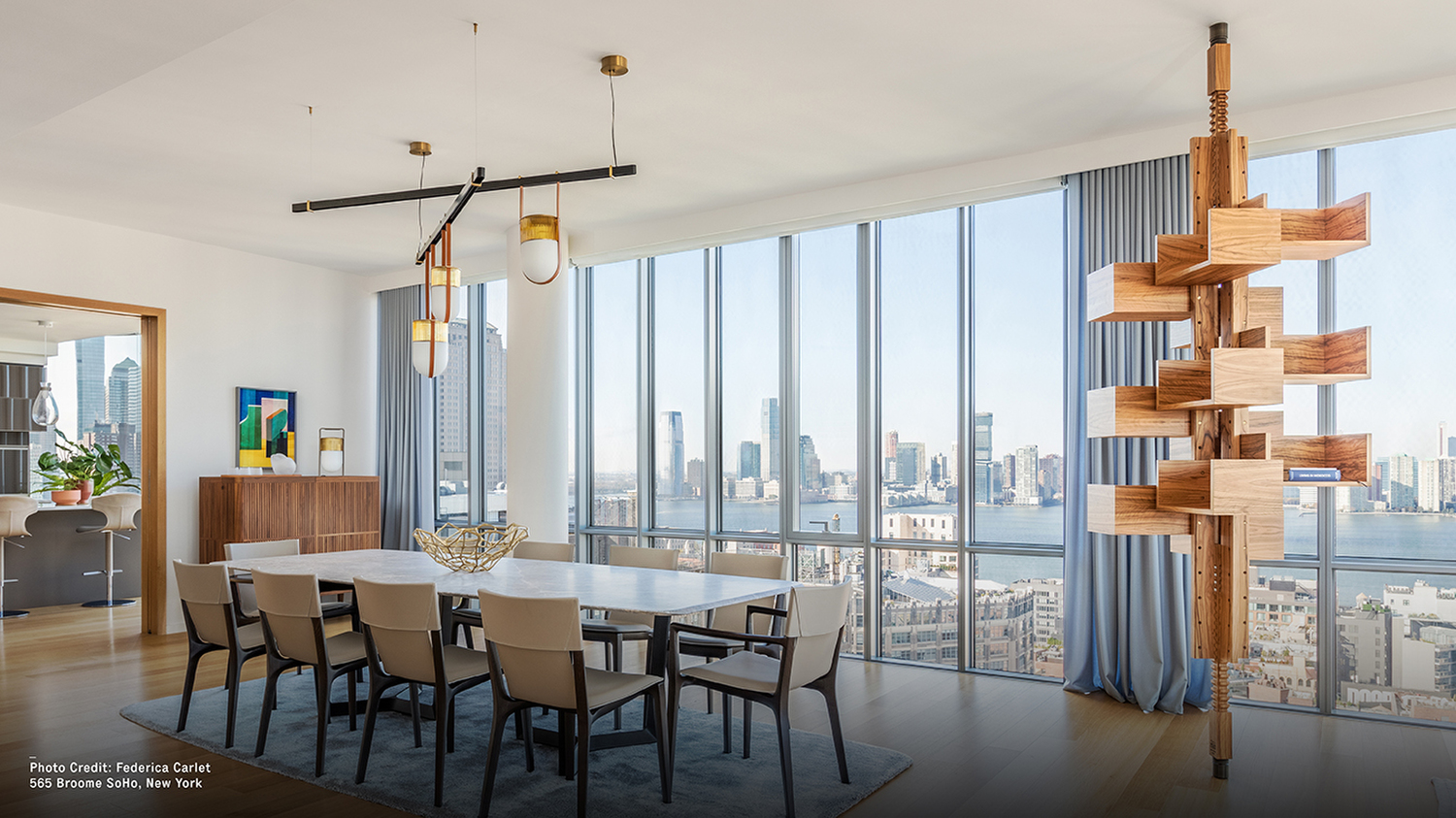
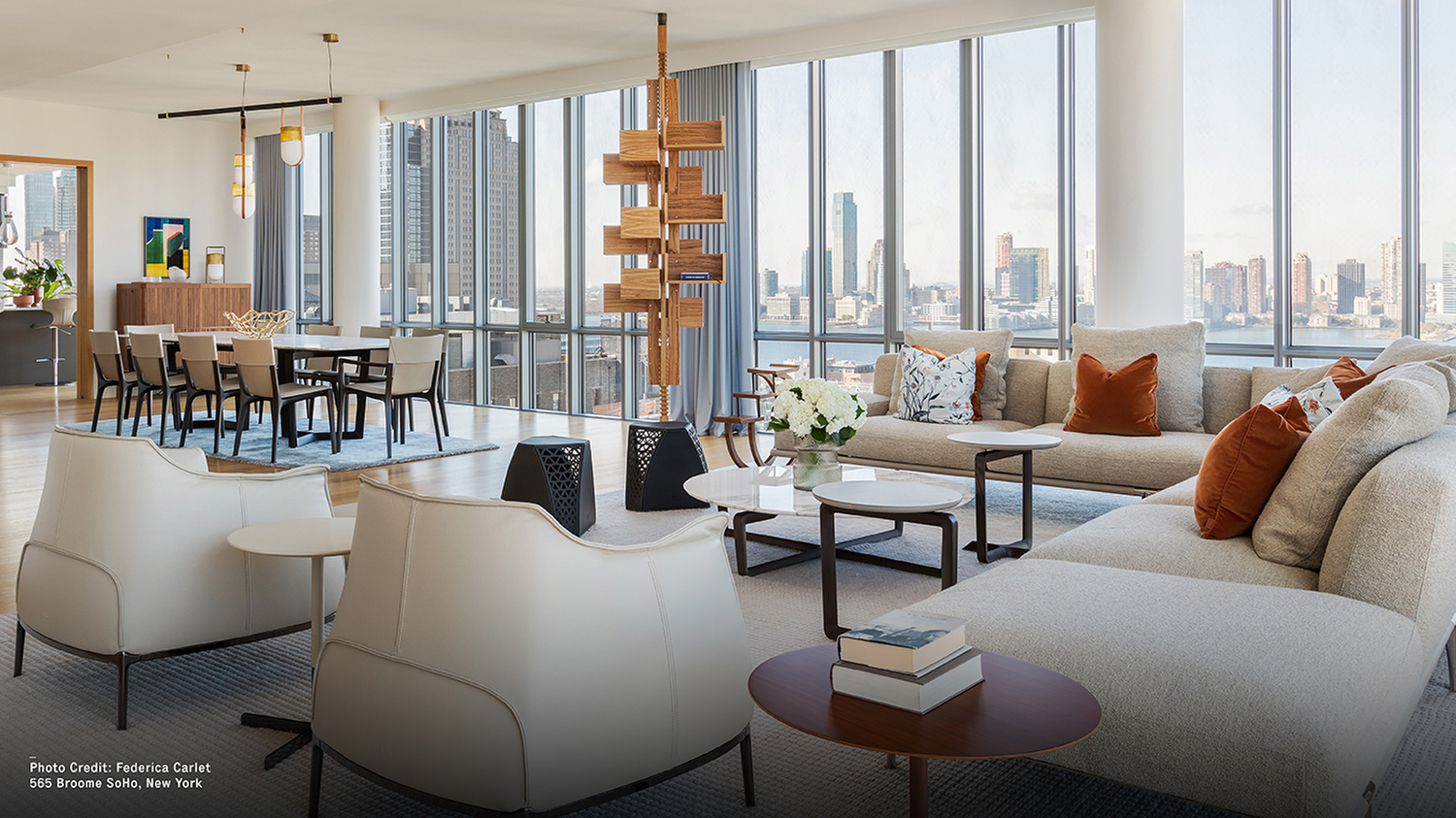
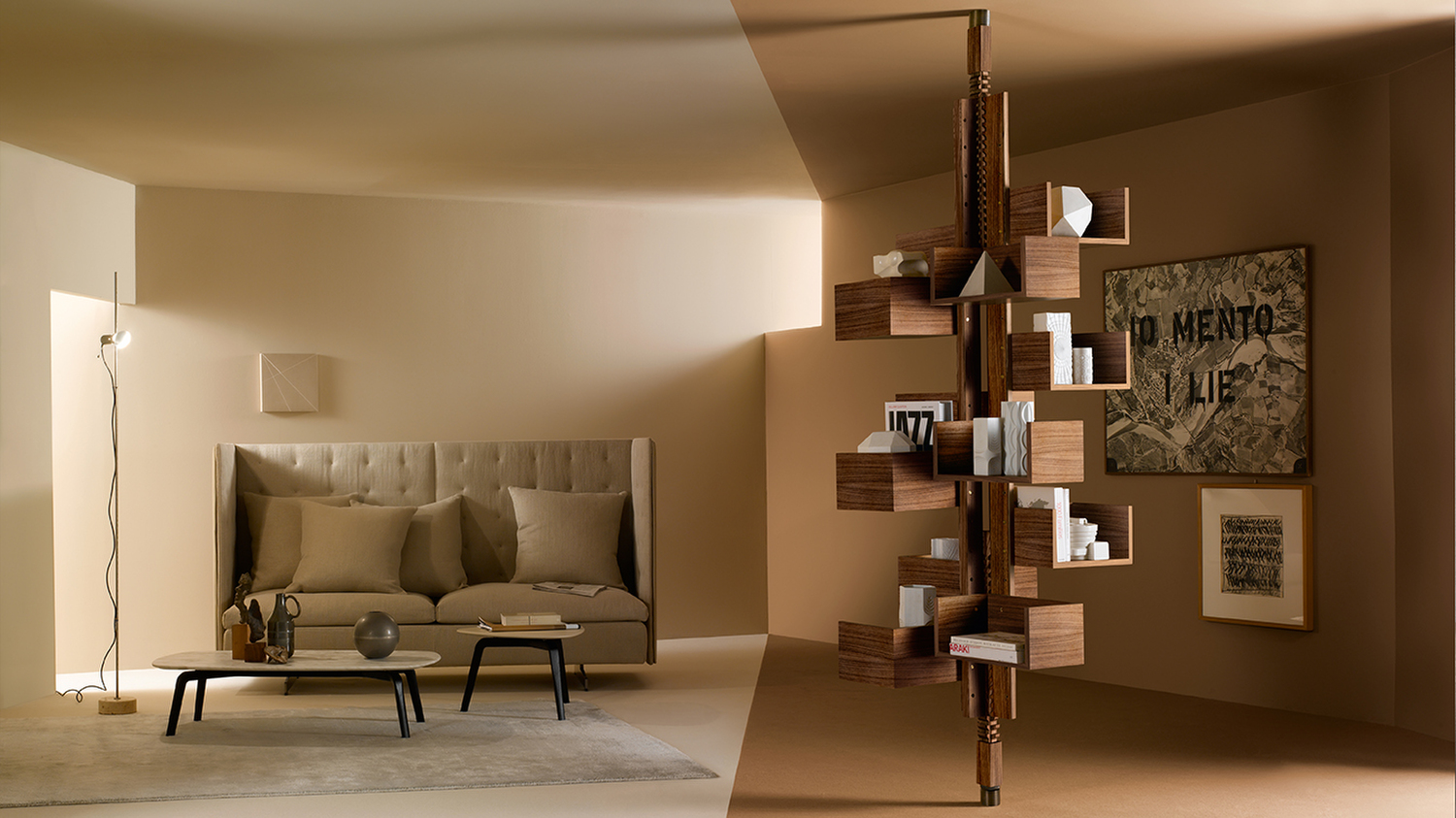

















Albero bookcase by Poltrona Frau, with solid wood structure and sculptural Italian design, icon of craftsmanship.

Albero | Bookcase

Gianfranco Frattini

Starting from
CHF 15.574

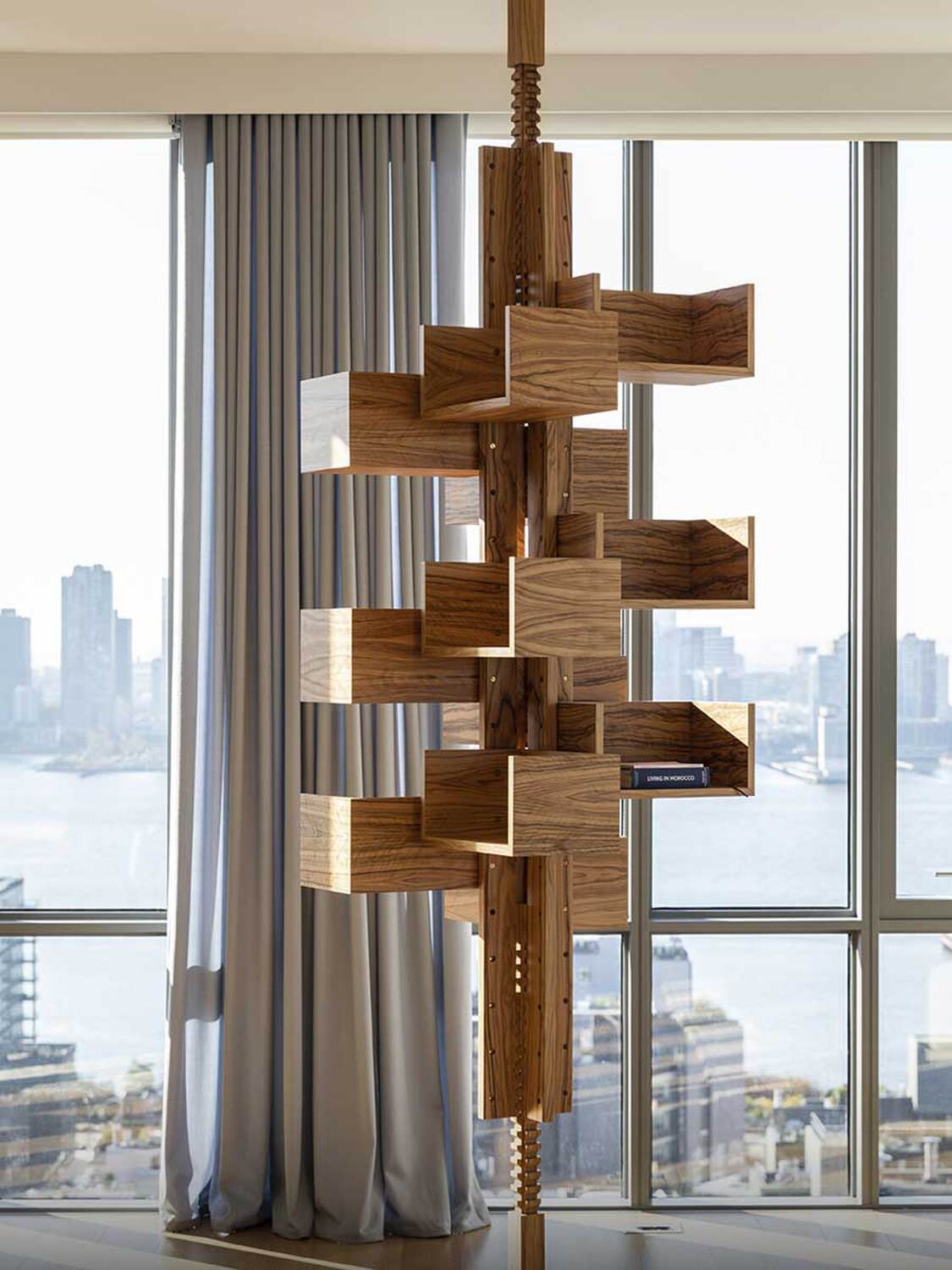
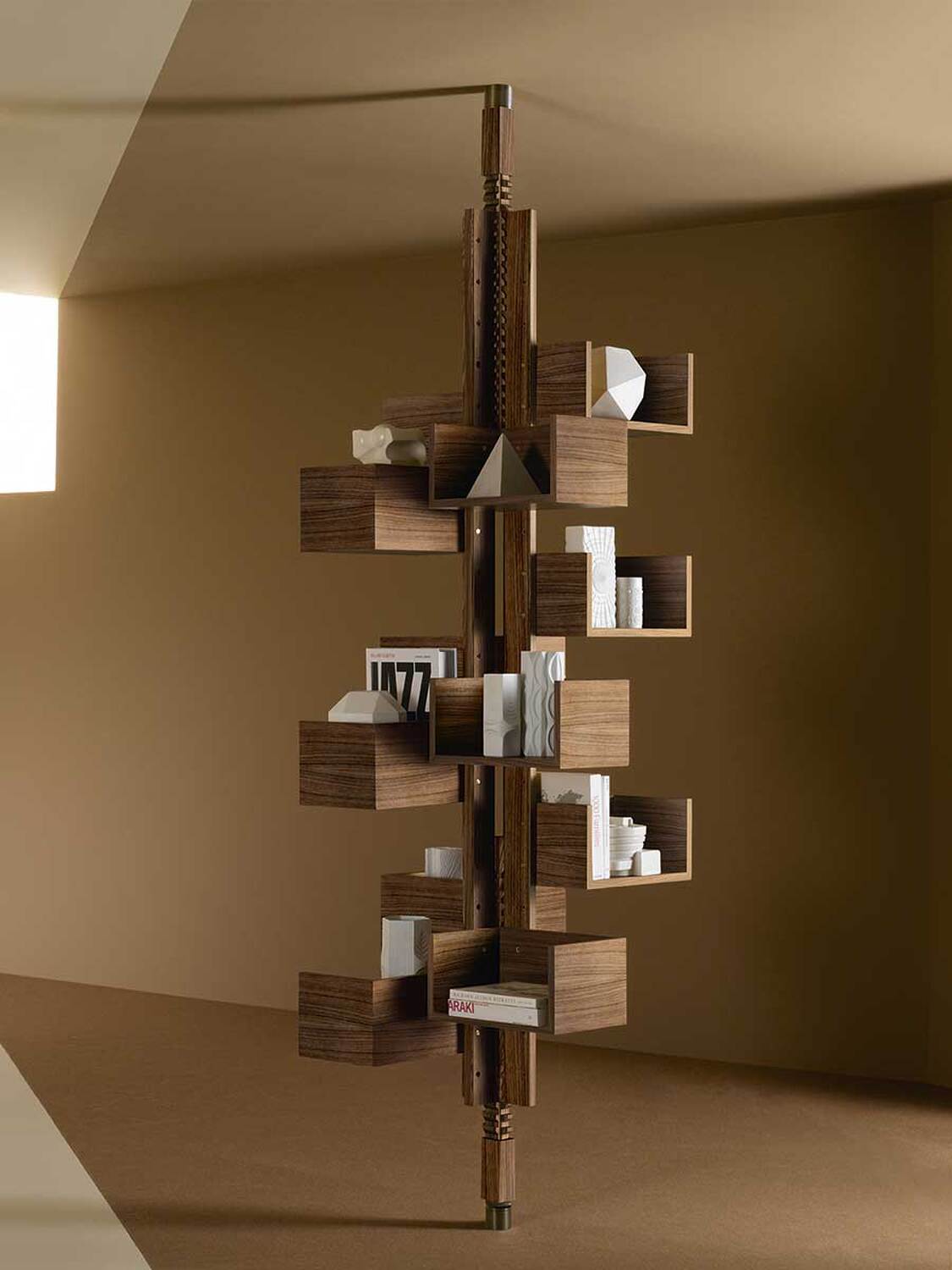
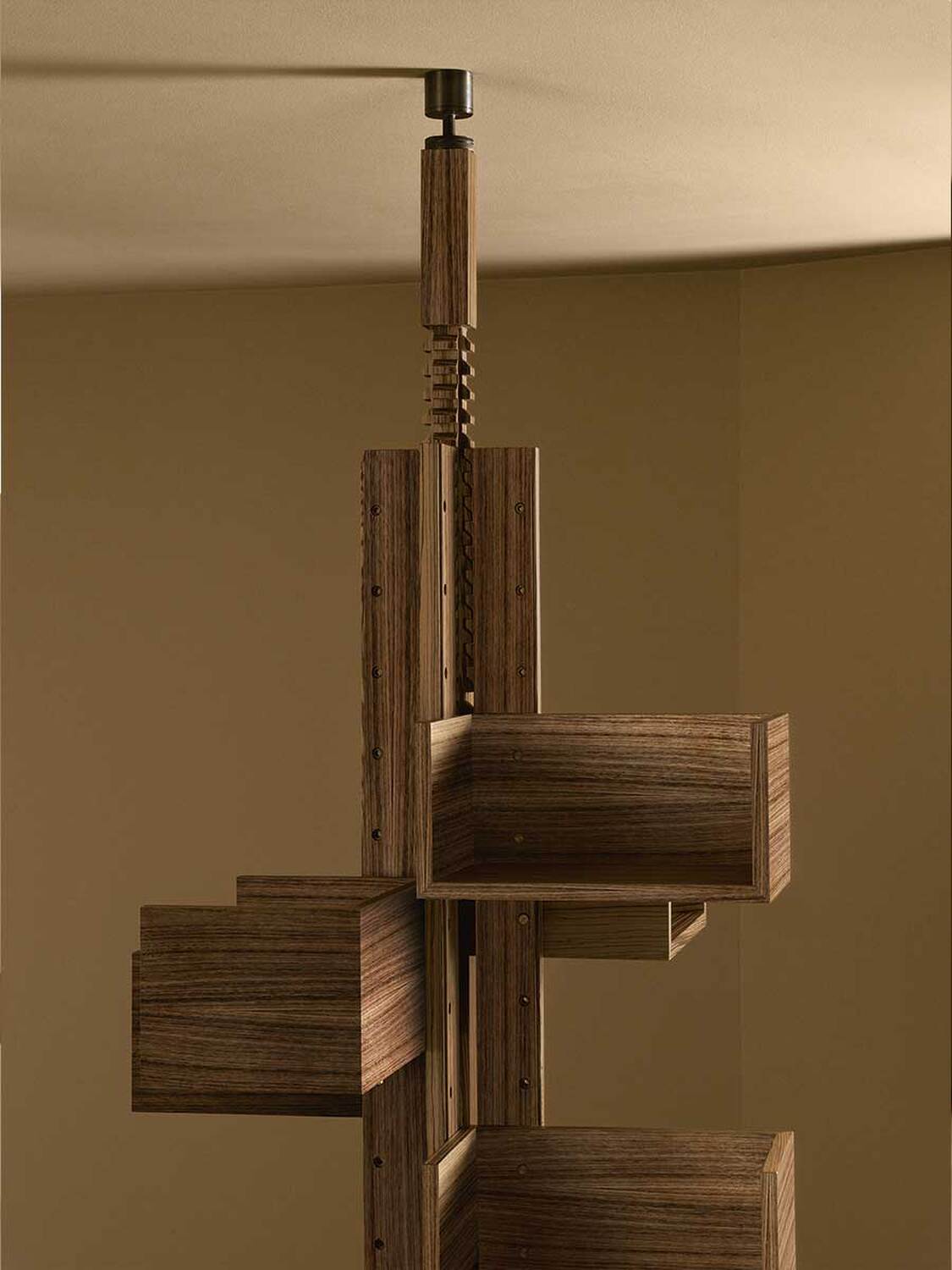
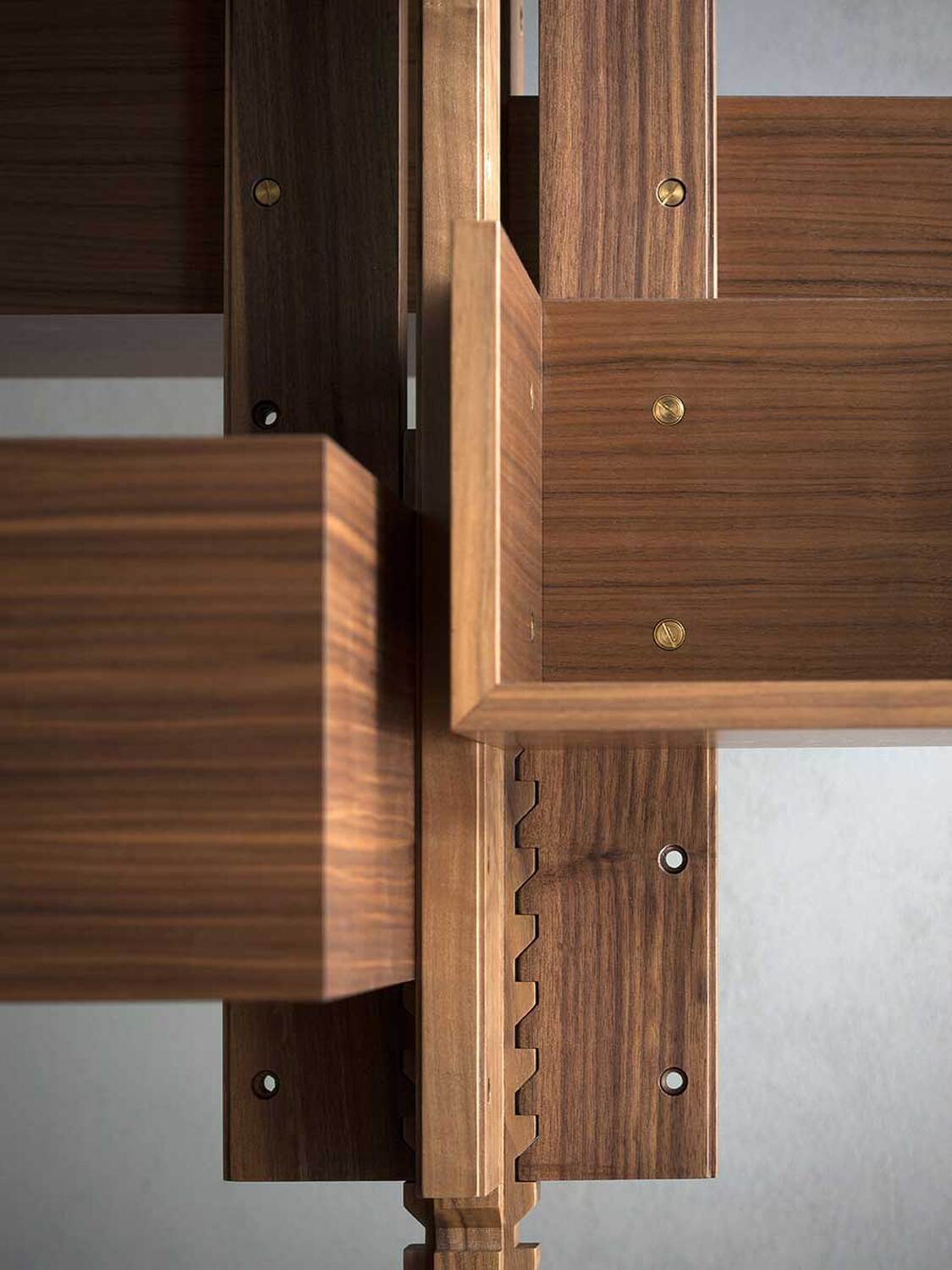
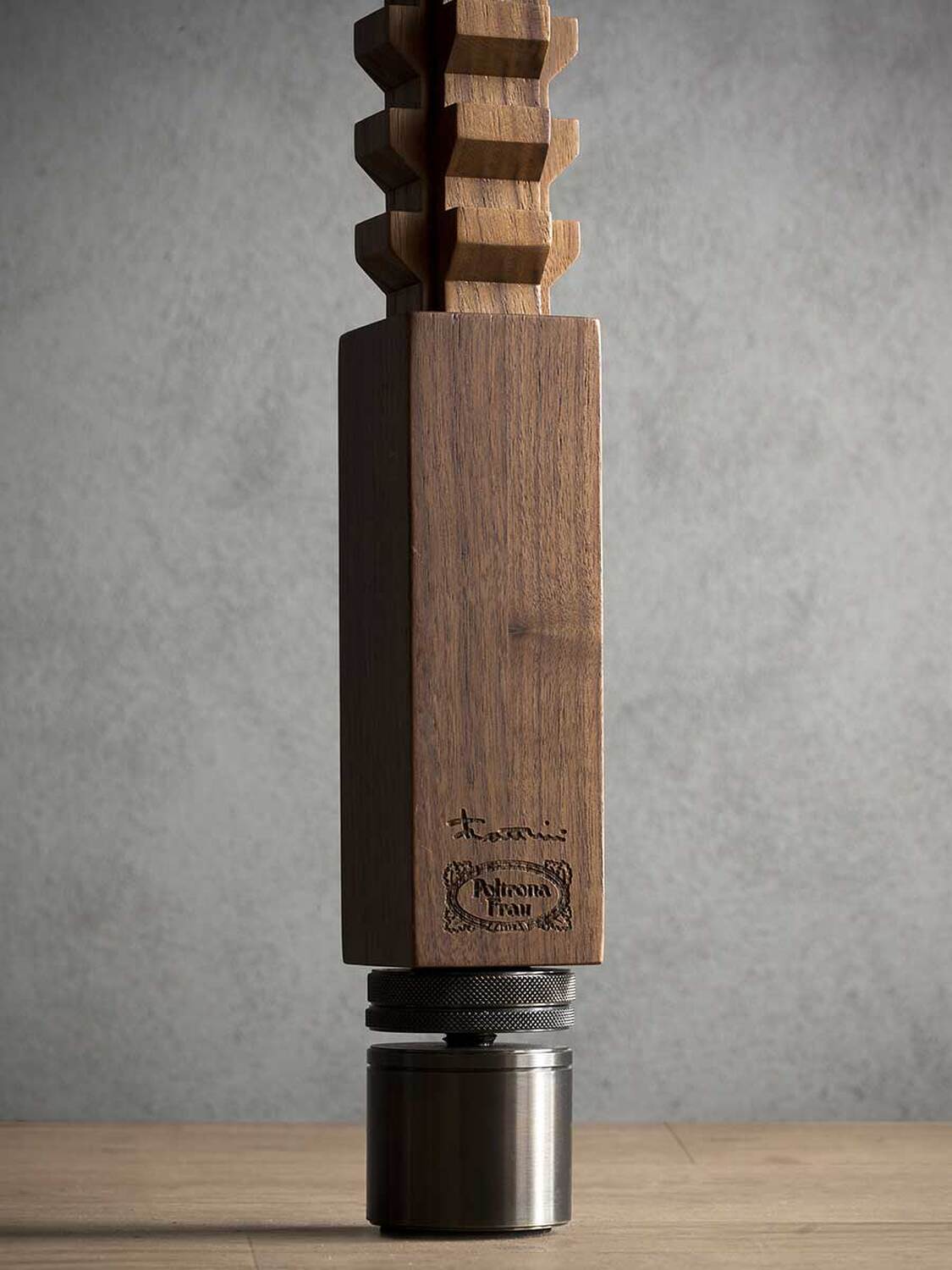
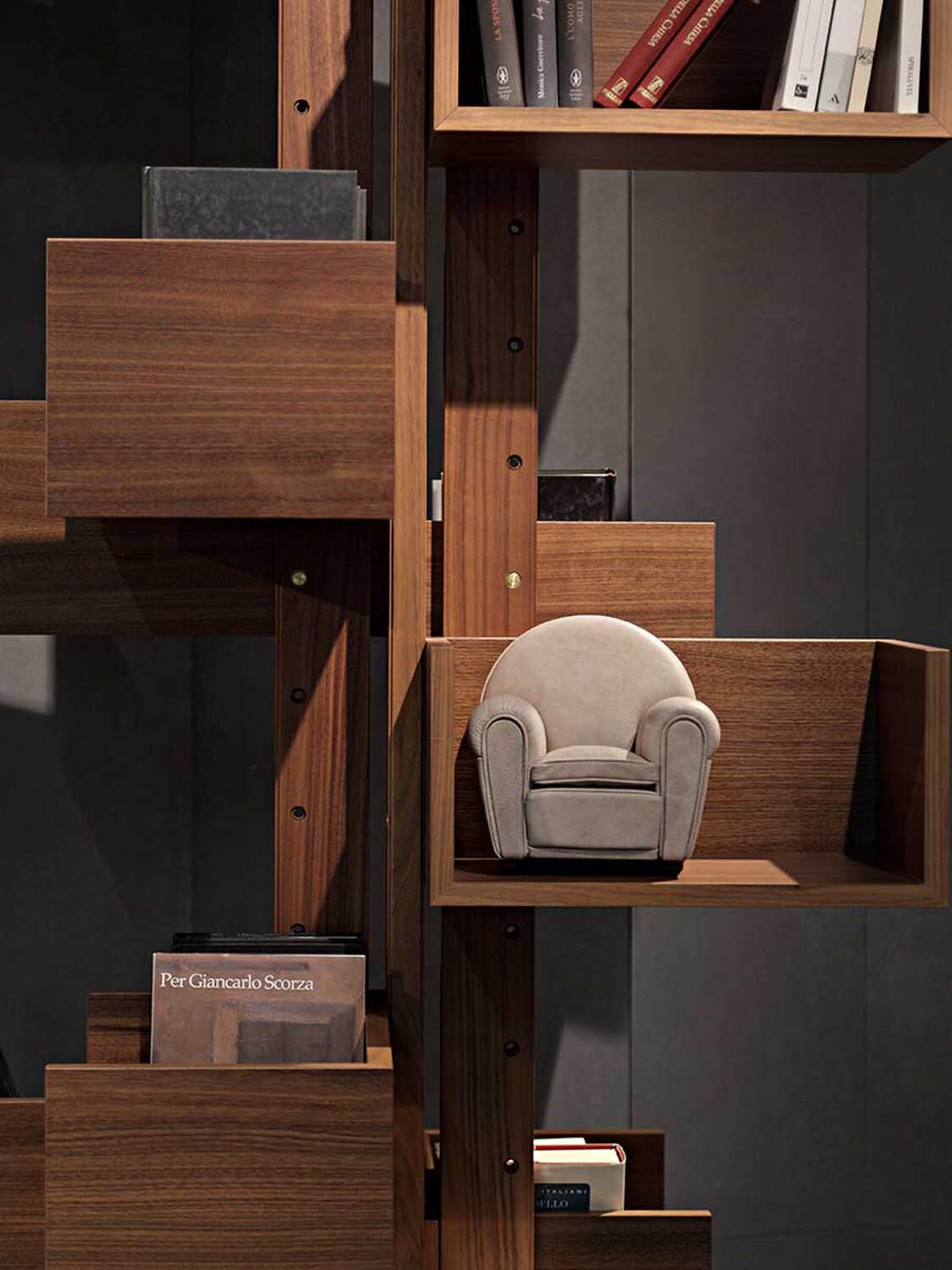
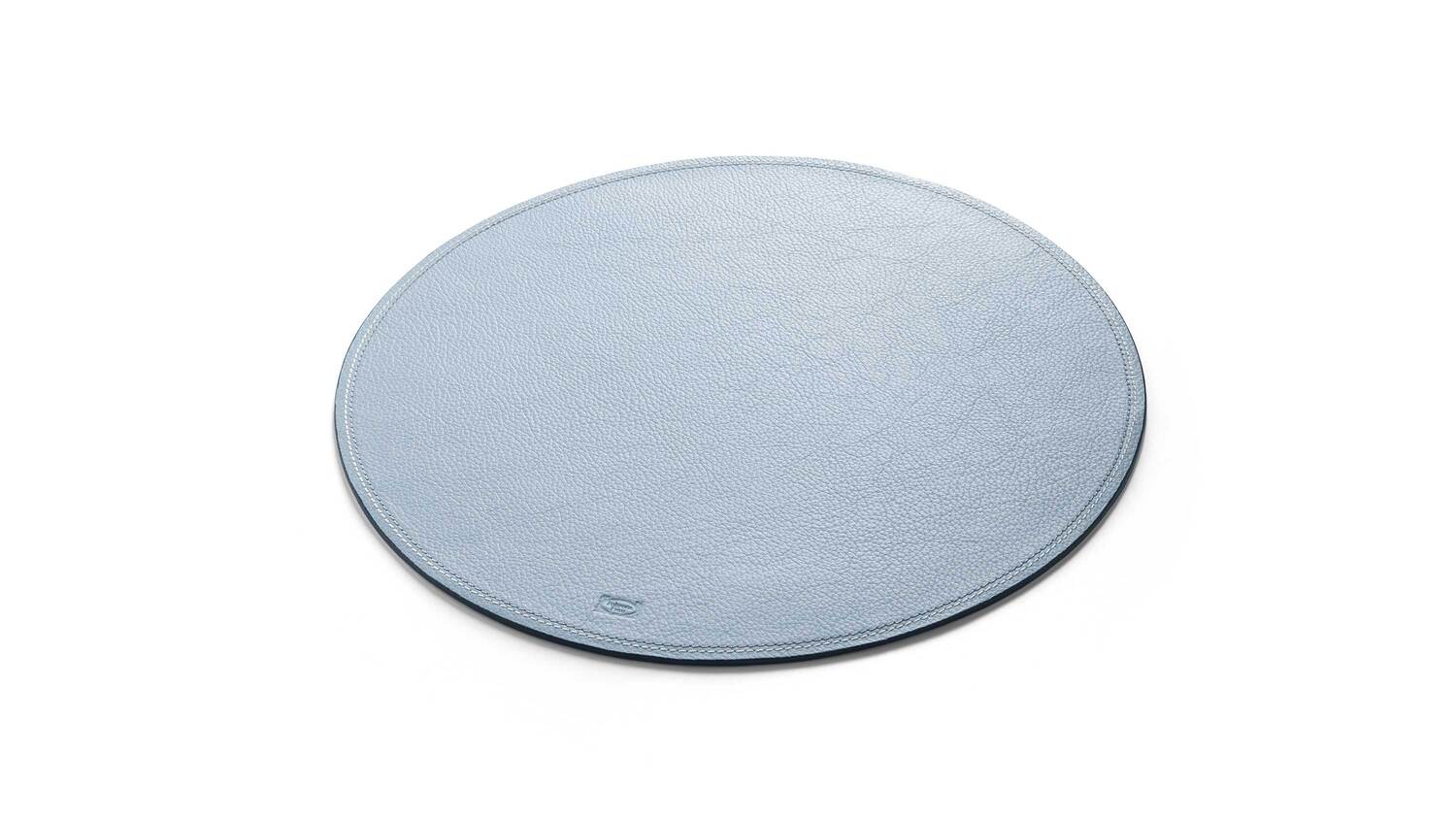
The structure is distinctive both for its intricate cabinet work and its sculpted appearance, which ensures that it is the centrepiece of the room. The supporting structure of the Albero bookcase is in solid Canaletto walnut. It consists of two notched columns, with a special rack joint, and four vertical posts with regular perforations allowing for the mounting of twelve shelves. The latter are in MDF with wood veneer. The caps, at the ceiling and on the floor, are attached to the ends of the toothed supports. The top cap is inserted in a “cup” anchored to the ceiling. The bottom cap grips the floor with a non-slip rubber. The bookcase is held securely in position by four metal locknuts in the caps. The fixing elements (caps and cup) have an antiqued burnished steel finish. The signature of the designer and the Poltrona Frau logo are laser engraved on the lower toothed support. The Albero bookcase can rotate 360°. Upon request and for an additional fee, the shelf surfaces can be embellished and protected with a 4 mm-thick Cuoio Saddle leather insert with tone-on-tone dyed edge. The insert has hand markings around the edge and is branded with the Poltrona Frau logo.

Item added to cart

Albero | Bookcase

Gianfranco Frattini
Loading
Loading
Proceed with selection

Structure

Accessories

qty

Unit price

The price refers to the product configuration currently selected

Concept and Design

Designed in the late 50’s by Gianfranco Frattini as a “floor-to-ceiling” central bookcase, Albero was created for use in interior settings rather than for mass production. The Albero bookcase is formally associated with the Neo-Liberty period and, in terms of product type, with the floor-to-ceiling bookcase systems that were popular throughout the 1950’s and 60’s.

gianfranco frattini
Designed by
Gianfranco Frattini

Gianfranco Frattini was born in Padua on 15 May 1926. He graduated from Milan Polytechnic with a degree in Architecture in 1953 and joined Gio Ponti's studio.  As early as 1954, thanks to Ponti, he began working with Cesare Cassina, who would always remain an important figurehead for him.  He was one of the founders of ADI and was involved in the management of the Triennale di Milano on several occasions. He opened his own design studio, initially with Franco Bettonica, in Via Lanzone, Milan. He worked with numerous companies in the field of furniture and lighting design including Bernini, Arteluce, Knoll and Artemide, for whom he and Livio Castiglioni designed the “Boalum” floor lamp, a true masterpiece and, above all else, an innovation in terms of product type.  

Frattini's relationship with Pierluigi Ghianda, a cabinet maker from Bovisio Masciago, was also extremely important. Beyond the human aspect, this relationship exemplified his passion for working at close quarters with craftsmen, always attentive to the quality of manufacturing and the design stories. Wood was without doubt Frattini's preferred material. Some of his interior designs, another professional field in which Frattini has left a significant legacy, formed the backdrop for several of Milan's trendiest social venues in the early 1960s, particularly the Stork Club and the St. Andrews restaurant. His designs in Portofino, Capri and the interiors of the Hilton hotel in Tokyo are also particularly memorable. His work was referenced at the Compasso d’Oro awards numerous times, and he was also a winner of the Triennale di Milano Medaglie and Gran Premio awards. Domus magazine regularly published his work.  In 1988 Pier Carlo Santini dedicated an important monograph to him. Gianfranco Frattini died in Milan on 6 April 2004. In 2007 Giuliana Gramigna and Federica Monetti wrote Gianfranco Frattini: architetto d’interni e designer (Gianfranco Frattini: interior architect and designer) for Franco Angeli. His products are displayed in the permanent collections of the biggest design and decorative art museums in the world. 

Coverings and finishes

Dimensions
01 albero bookcase 5584786
02 albero saddle leather pad 5584430
View all
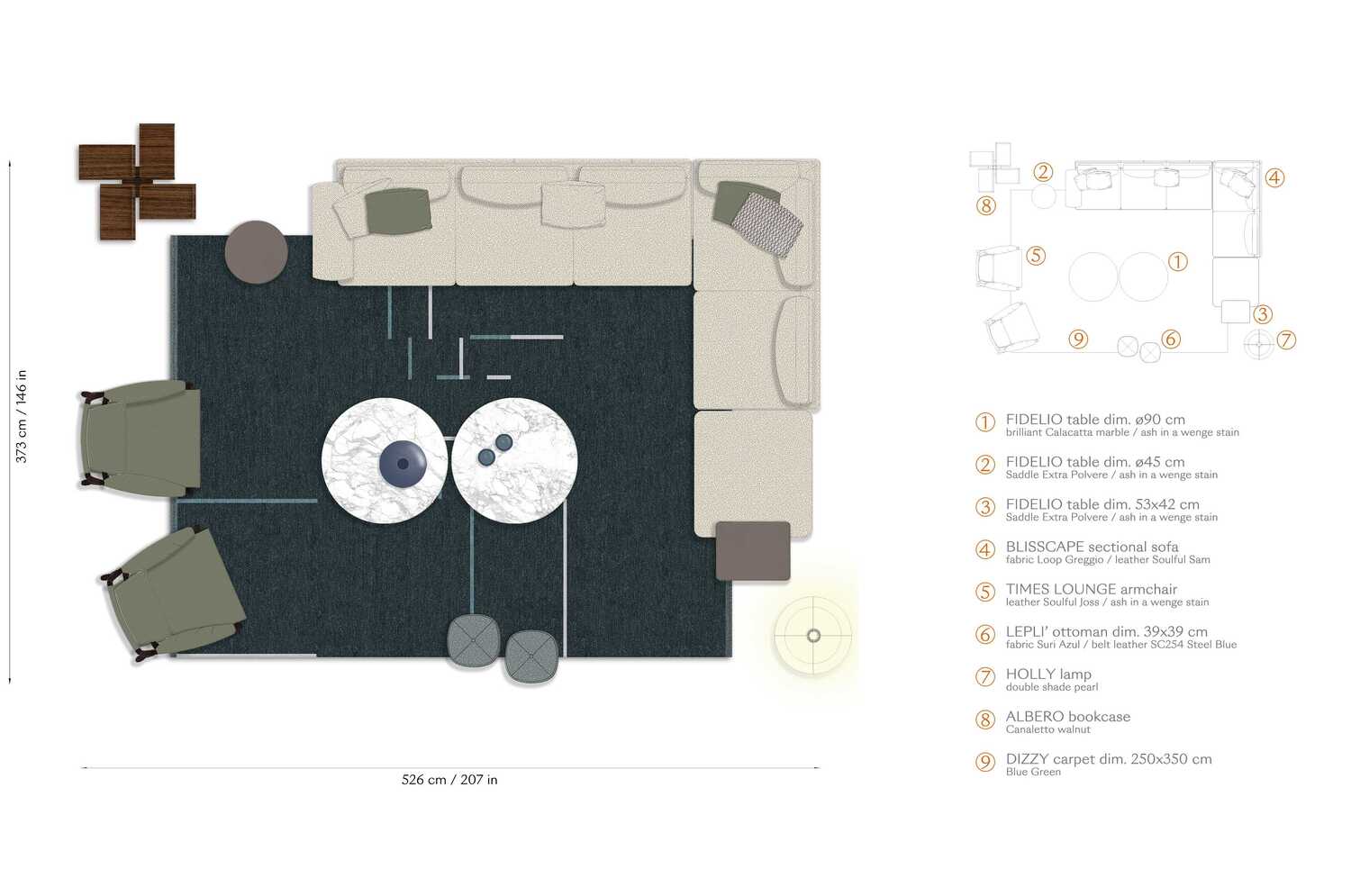
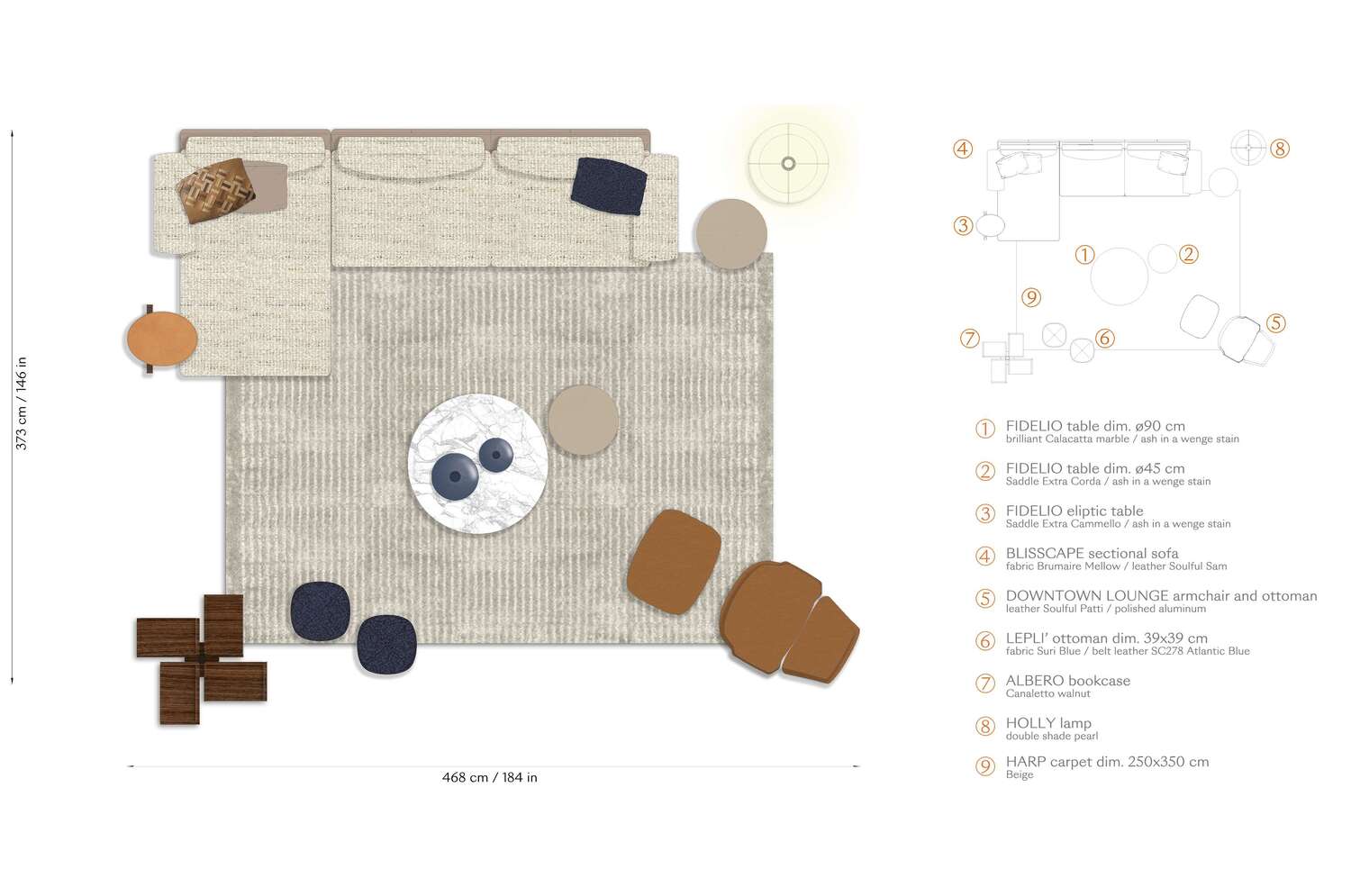
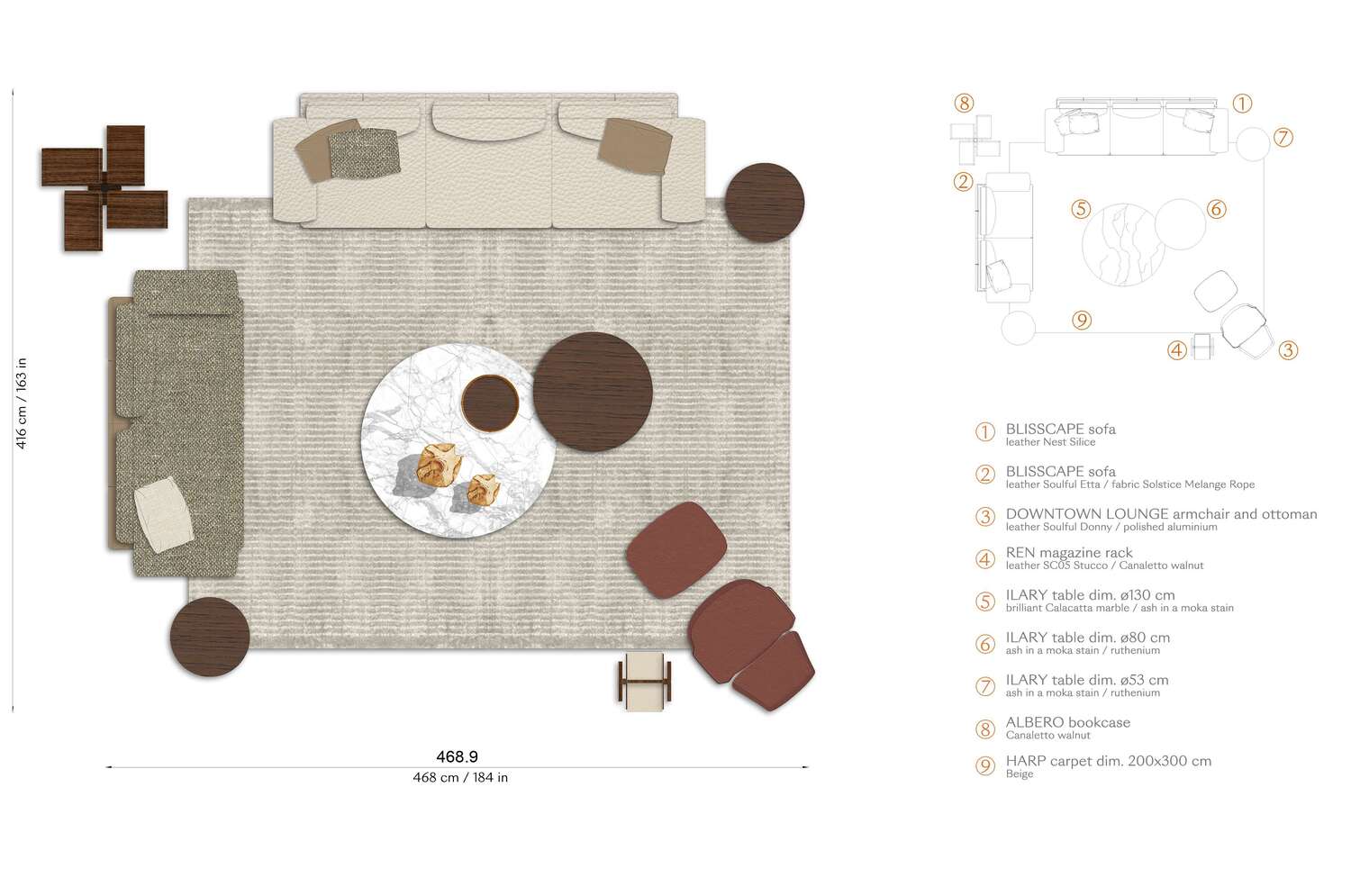
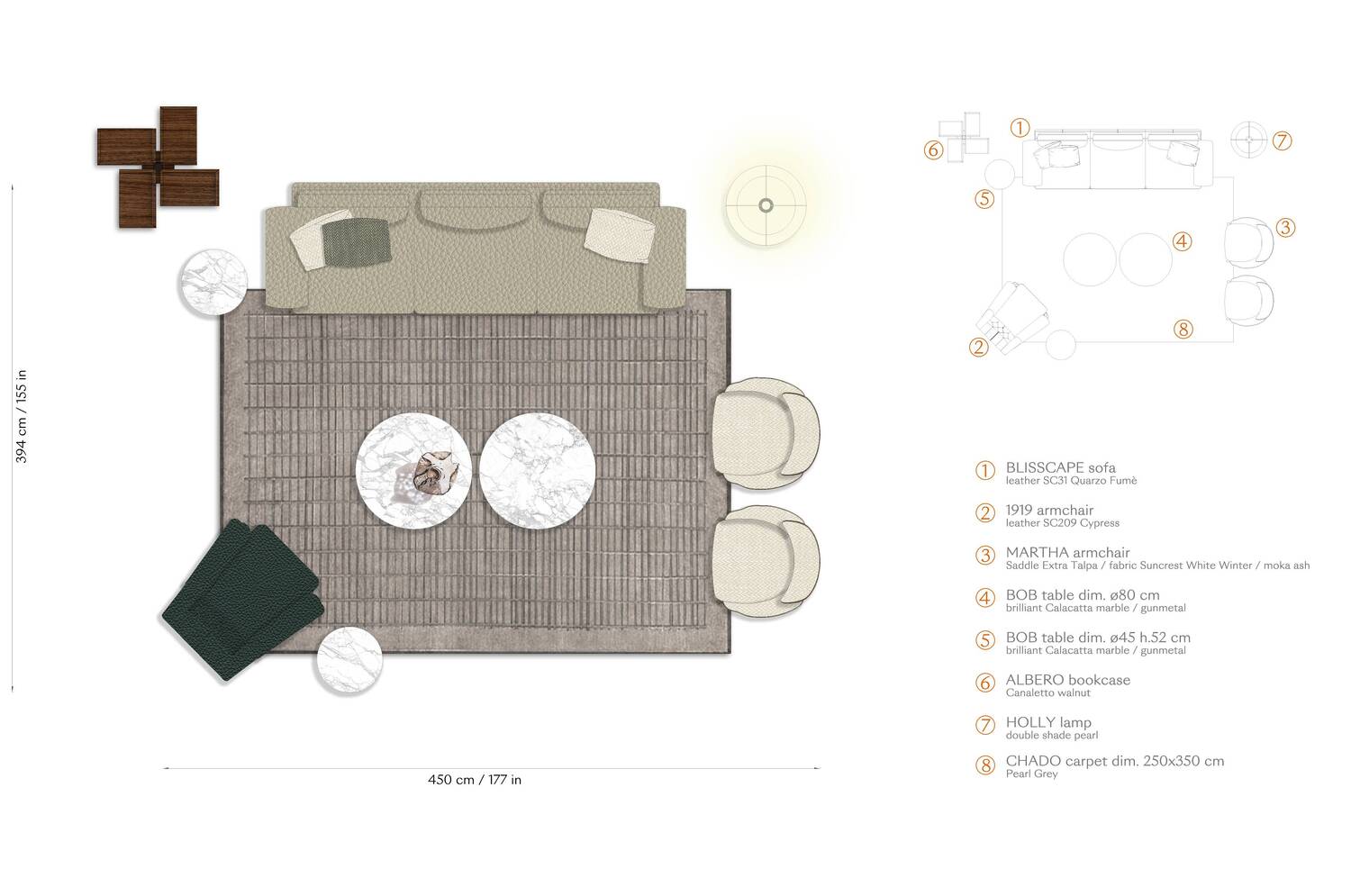
Layouts
01 layout albero bookcase
02 layout albero bookcase
03 layout albero bookcase
04 layout albero bookcase
Downloads

obj
3ds
fbx
2d dwg
max

The Albero bookcase by Poltrona Frau is much more than a simple storage unit for books: it represents a true sculptural piece of furniture capable of transforming any environment into a space of elegance and originality. Originally designed by Gianfranco Frattini in the 1950s and now reintroduced in a faithful yet updated version, this bookcase stands out for its self-supporting rotating structure and its exceptional craftsmanship in solid wood of the highest quality. Every detail, from the arrangement of the shelves to the refined finishes, tells a story of Italian excellence and timeless aesthetic research.


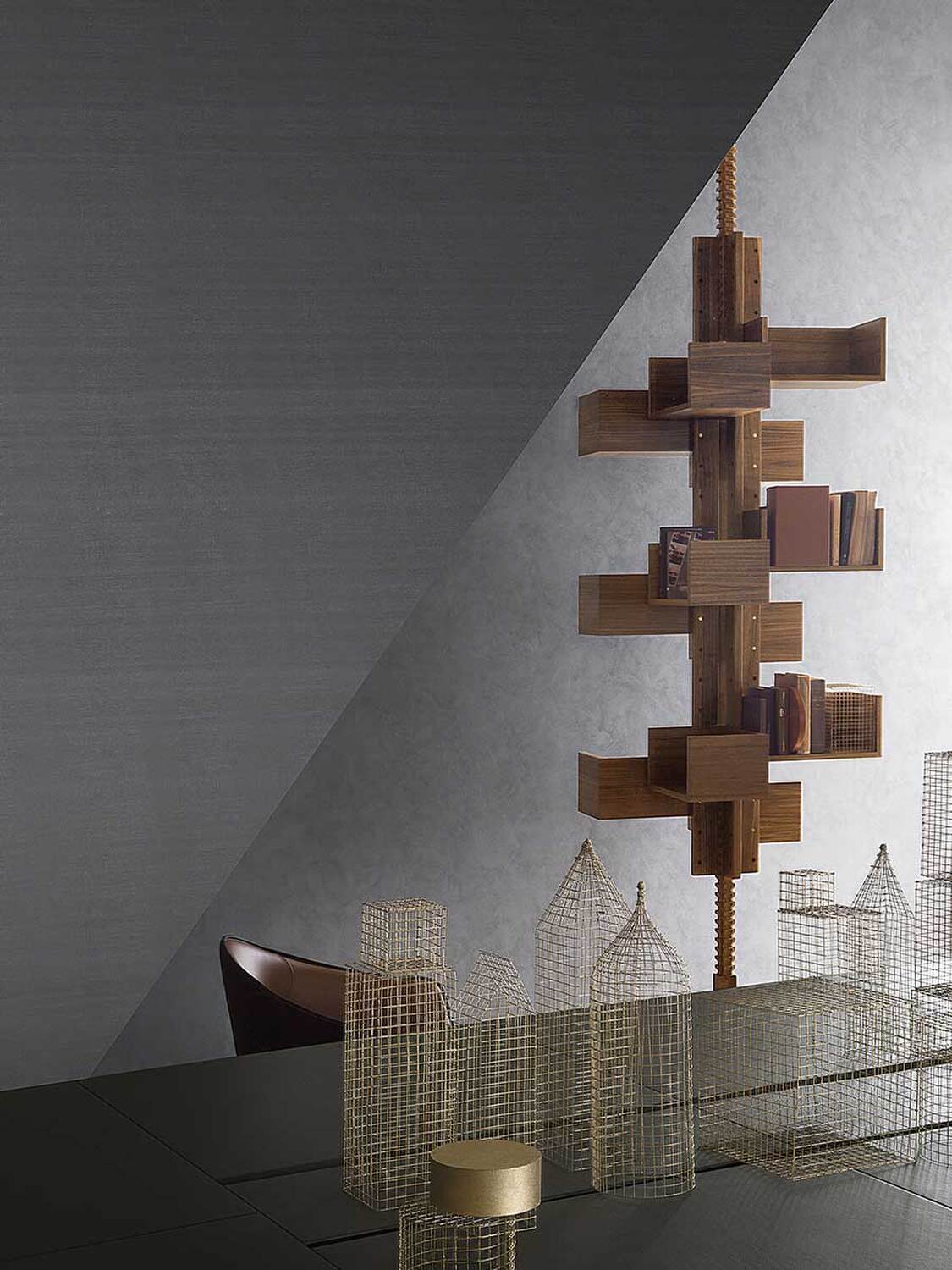
Its iconic shape, reminiscent of the silhouette of a stylized tree, makes it perfect for a modern living room, where it can be placed at the center of the room to create a light and scenographic division between different functional areas. In open-plan interiors, the Albero bookcase offers the possibility of separating the living area from the dining area without resorting to fixed walls, preserving brightness and visual continuity. Its rotating structure allows access to books and displayed objects from every angle, making it ideal for rooms with dual exposure or for those who desire a dynamic solution that always offers new perspectives.


In professional studios, executive offices, or high-end reception areas, Albero becomes a symbol of prestige and culture, capable of showcasing both important book collections and art objects, photographs, or memorabilia. The quality of the materials and the attention to finishing details also make it suitable for boutique hotels and art galleries, where it can serve as a display element to highlight valuable works and curated objects. In a design-focused home, the Albero bookcase integrates perfectly into minimalist or modern interiors, adding warmth thanks to the solid wood and becoming an aesthetic focal point around which the entire space can be designed.


Its modular and customizable nature allows it to adapt to different needs, responding to the expectations of those looking for a truly unique piece of furniture. It is the ideal choice for book collectors, art and design enthusiasts, anyone seeking a furnishing element that is both functional and visually striking, or those who wish to enrich their home with a piece designed by one of the great masters of Italian design. The Albero bookcase is not simply a piece of furniture, but a true statement of style, capable of dialoguing with the architecture of the space and expressing the personality of those who choose it.