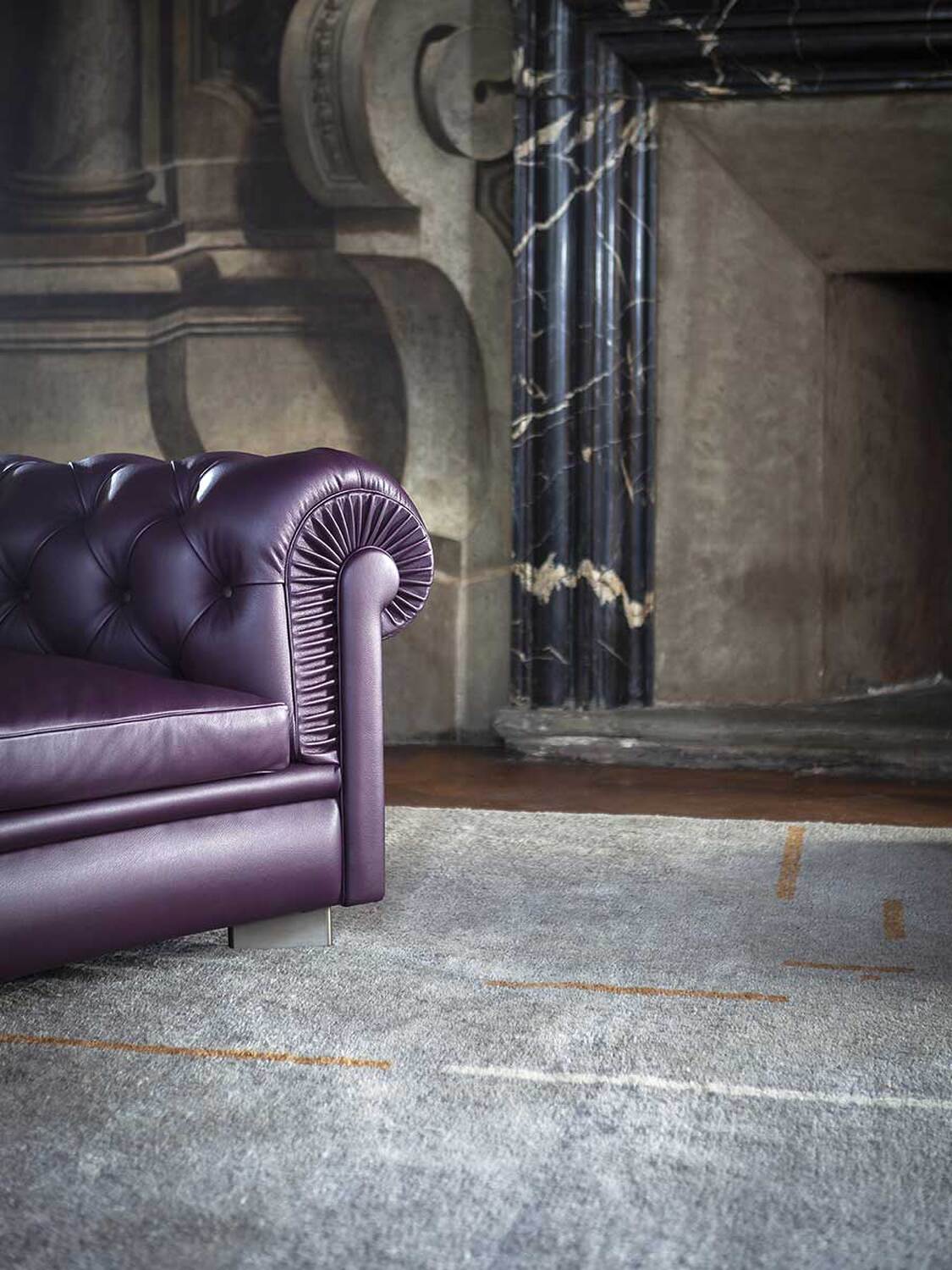
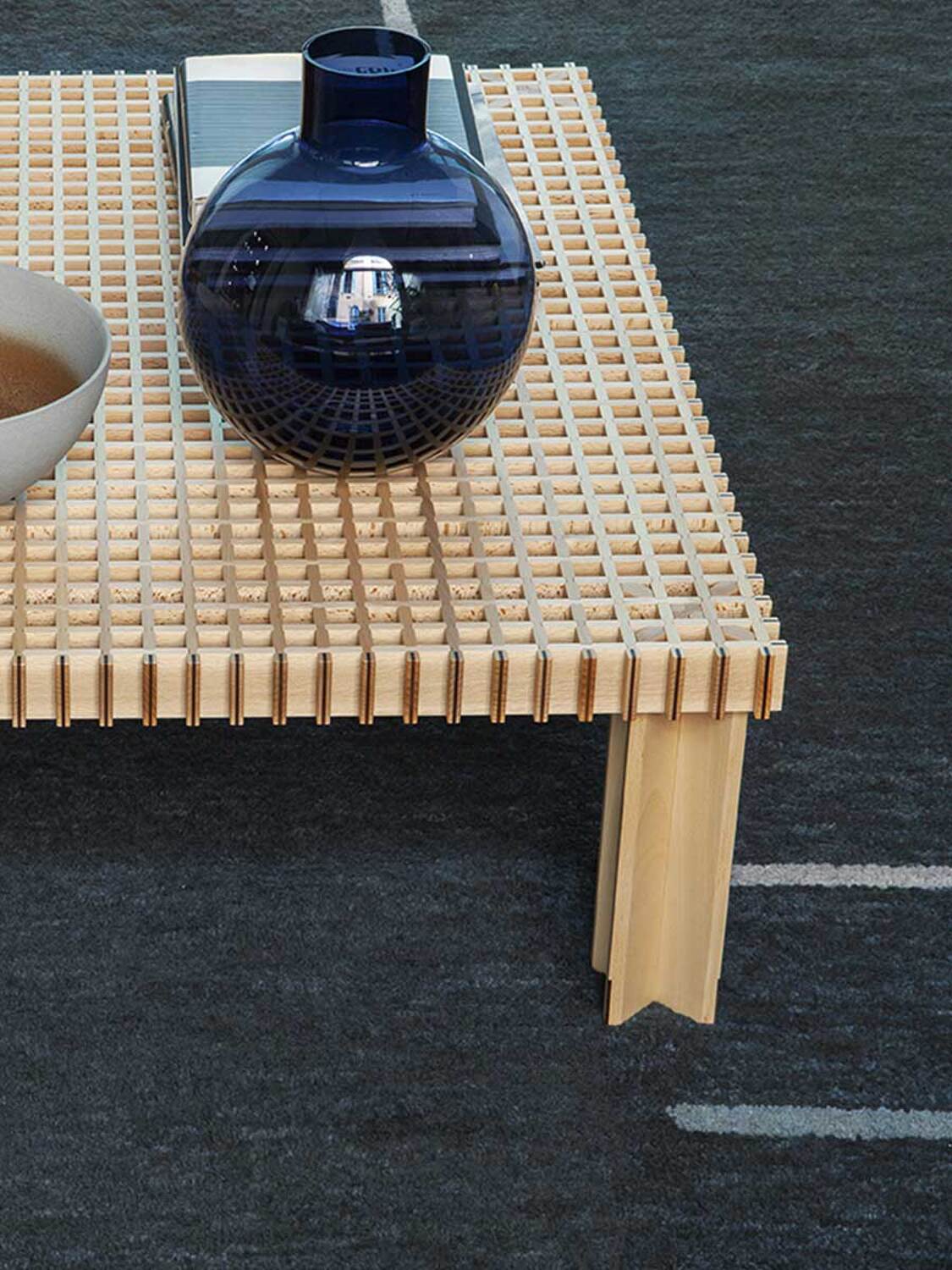
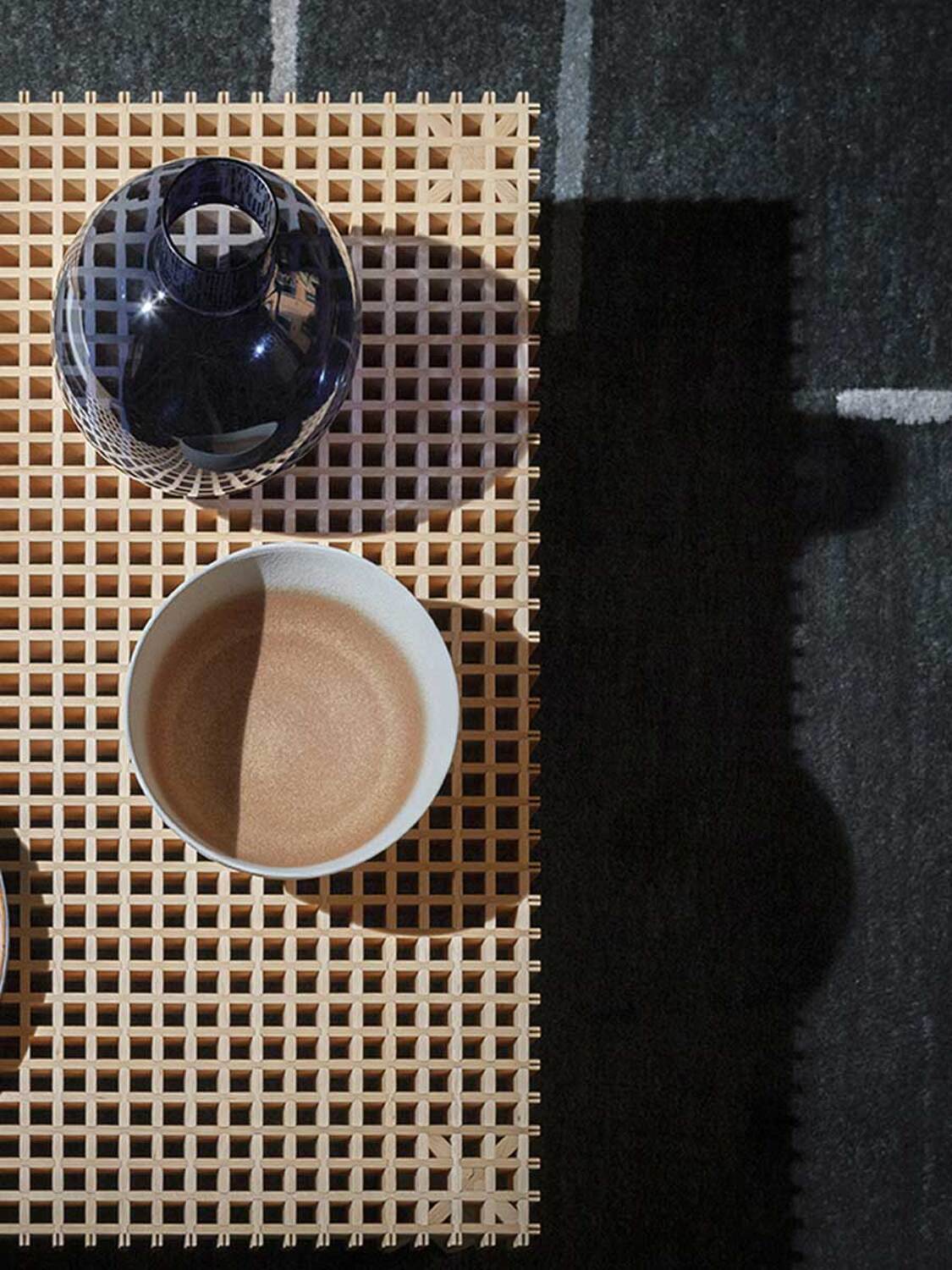
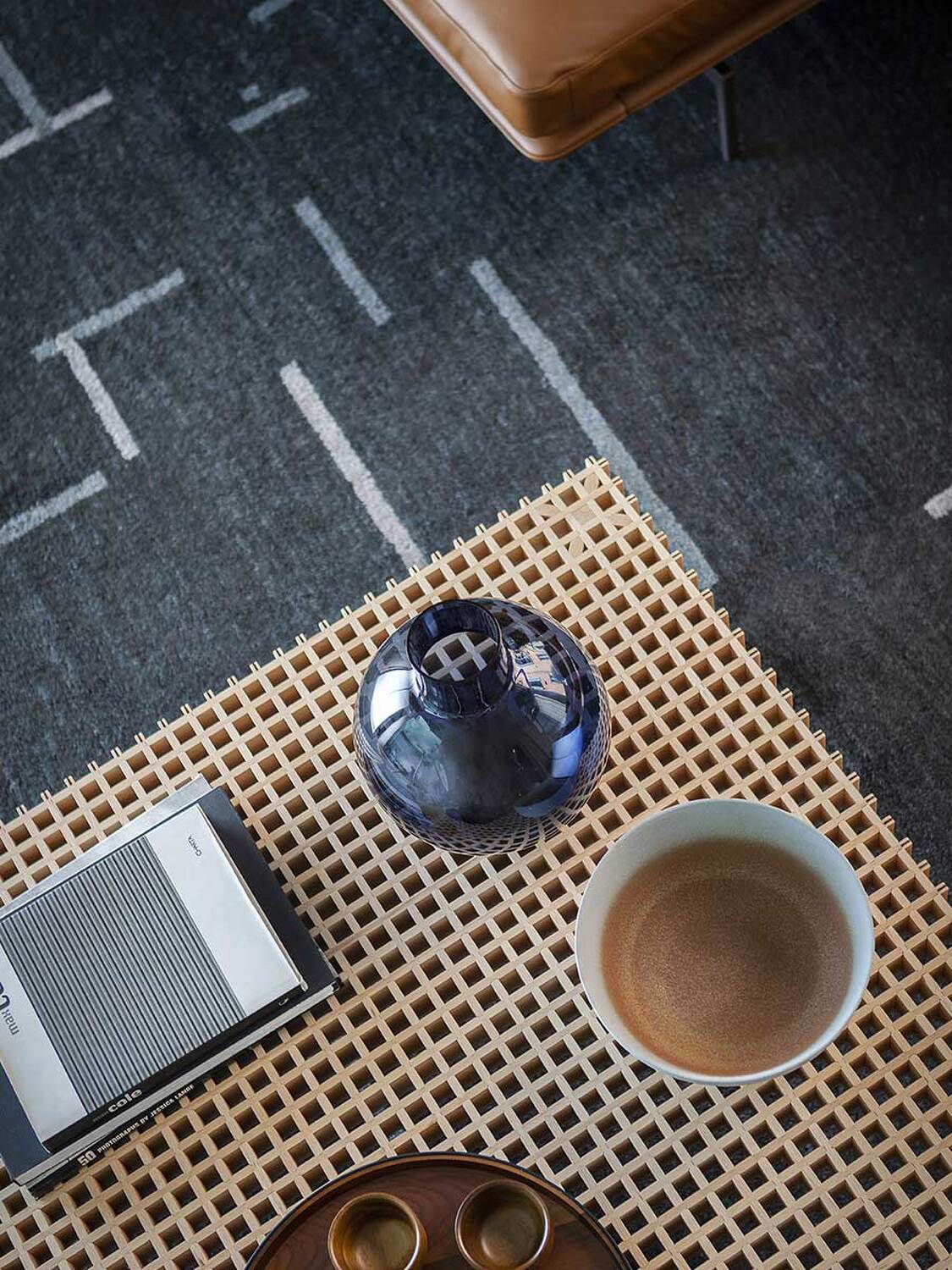
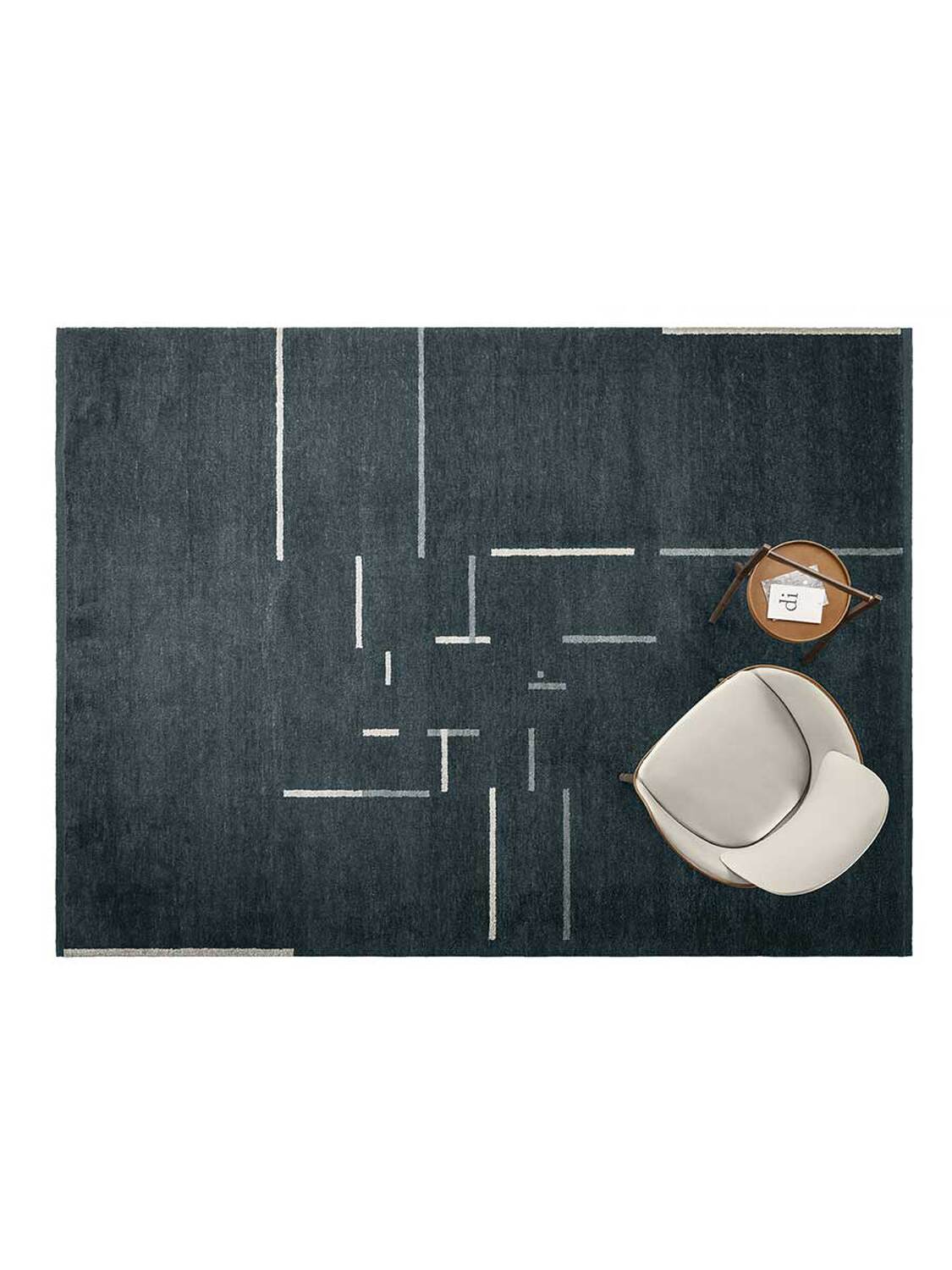
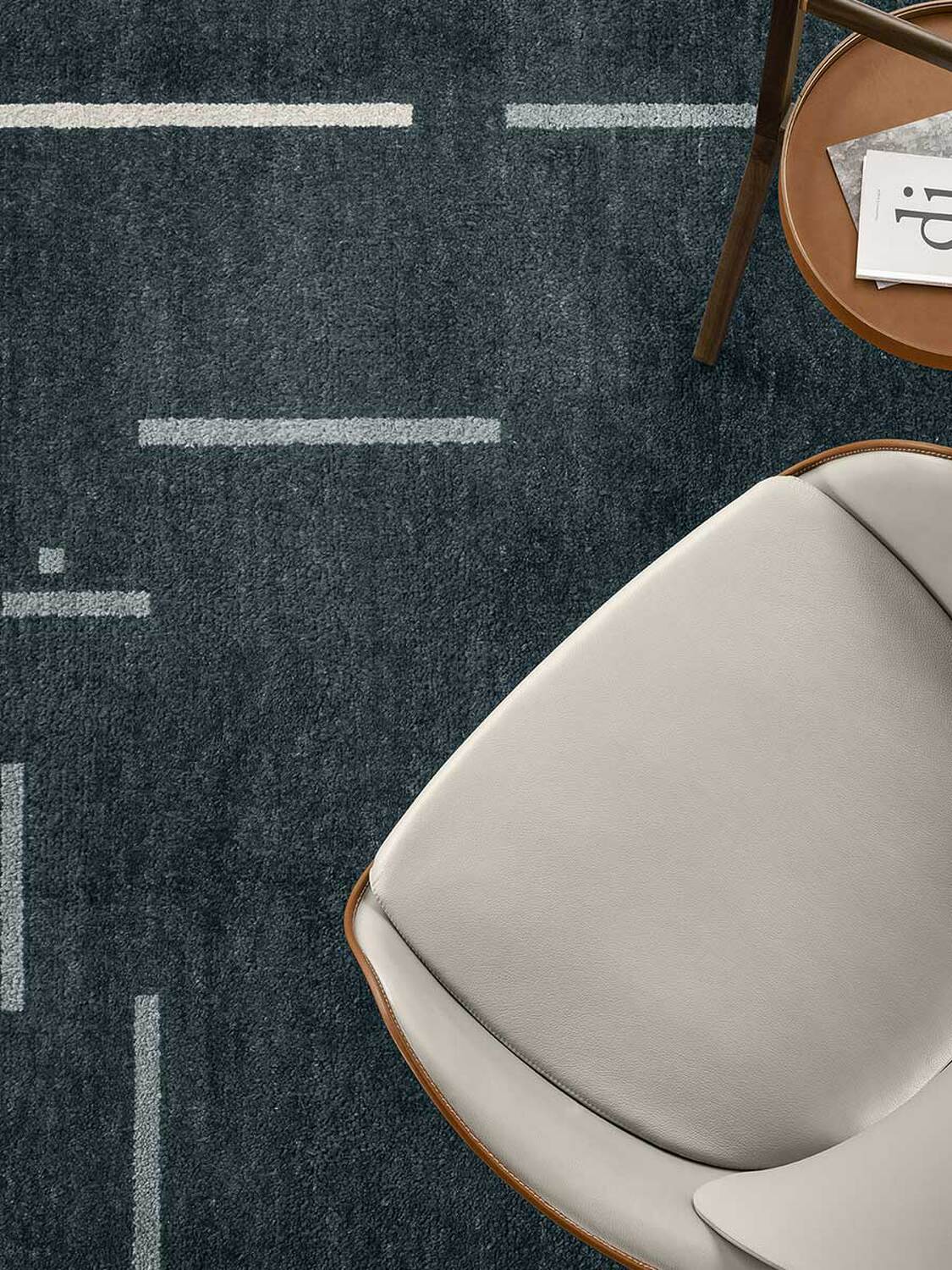
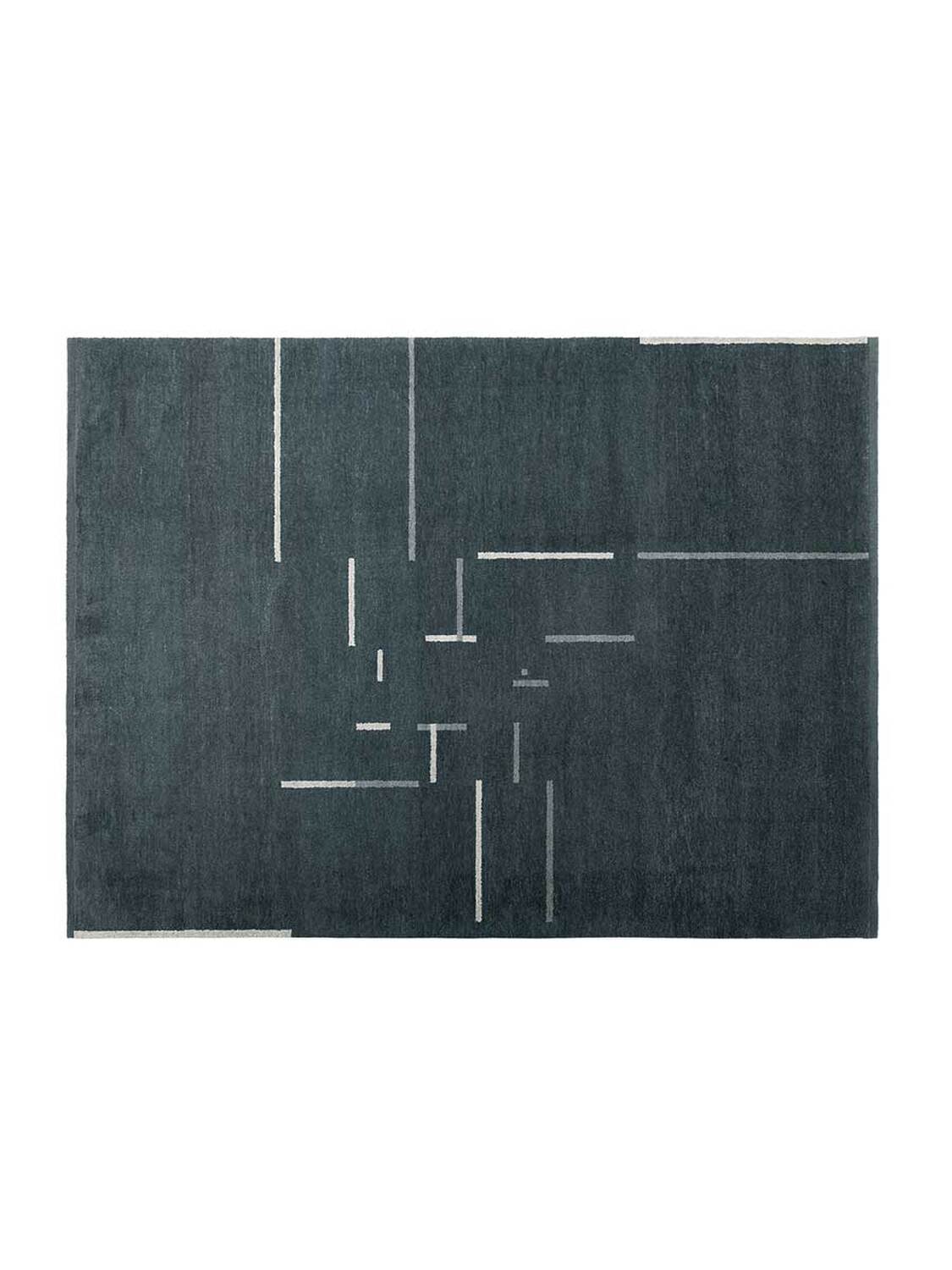
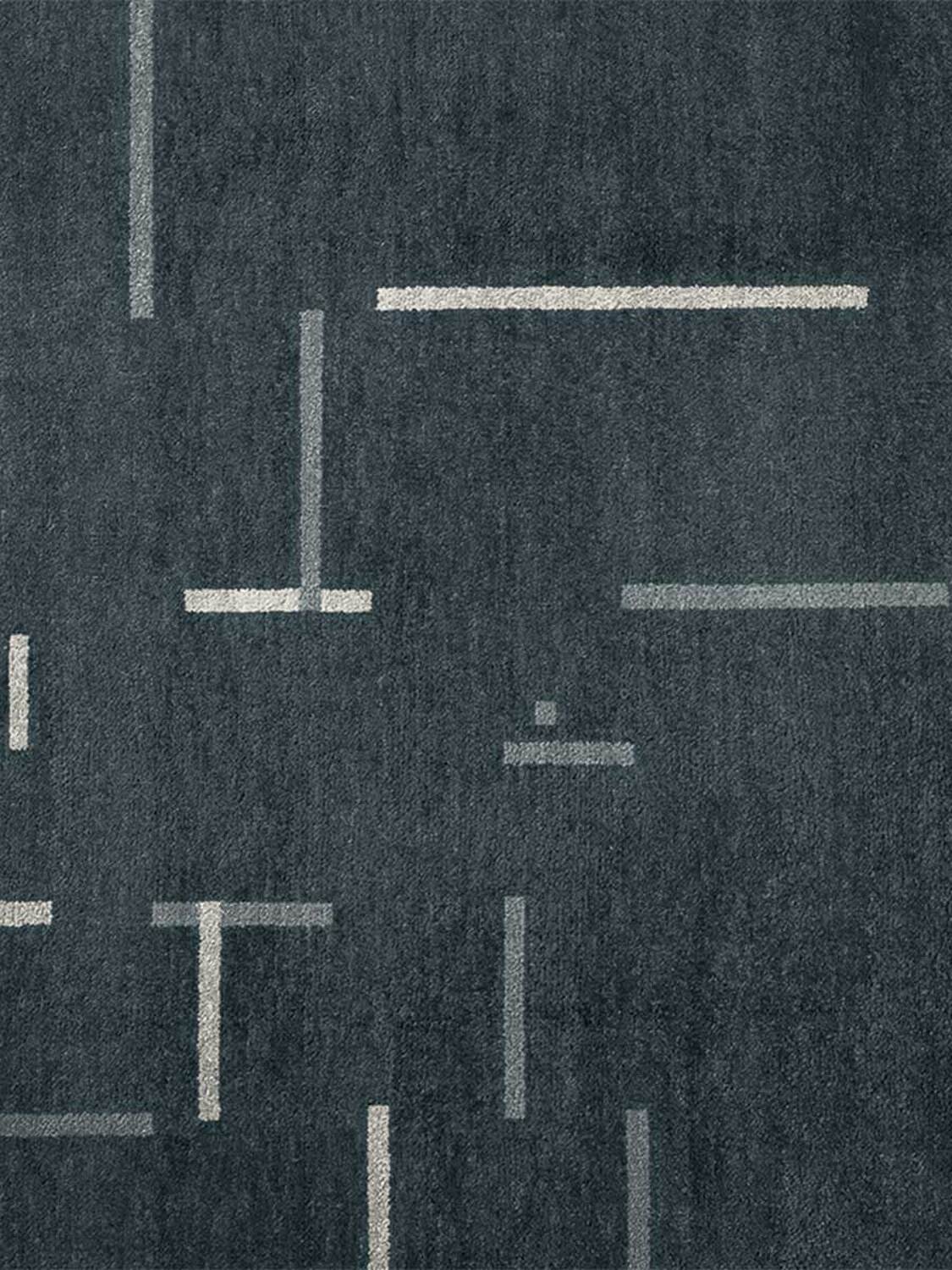
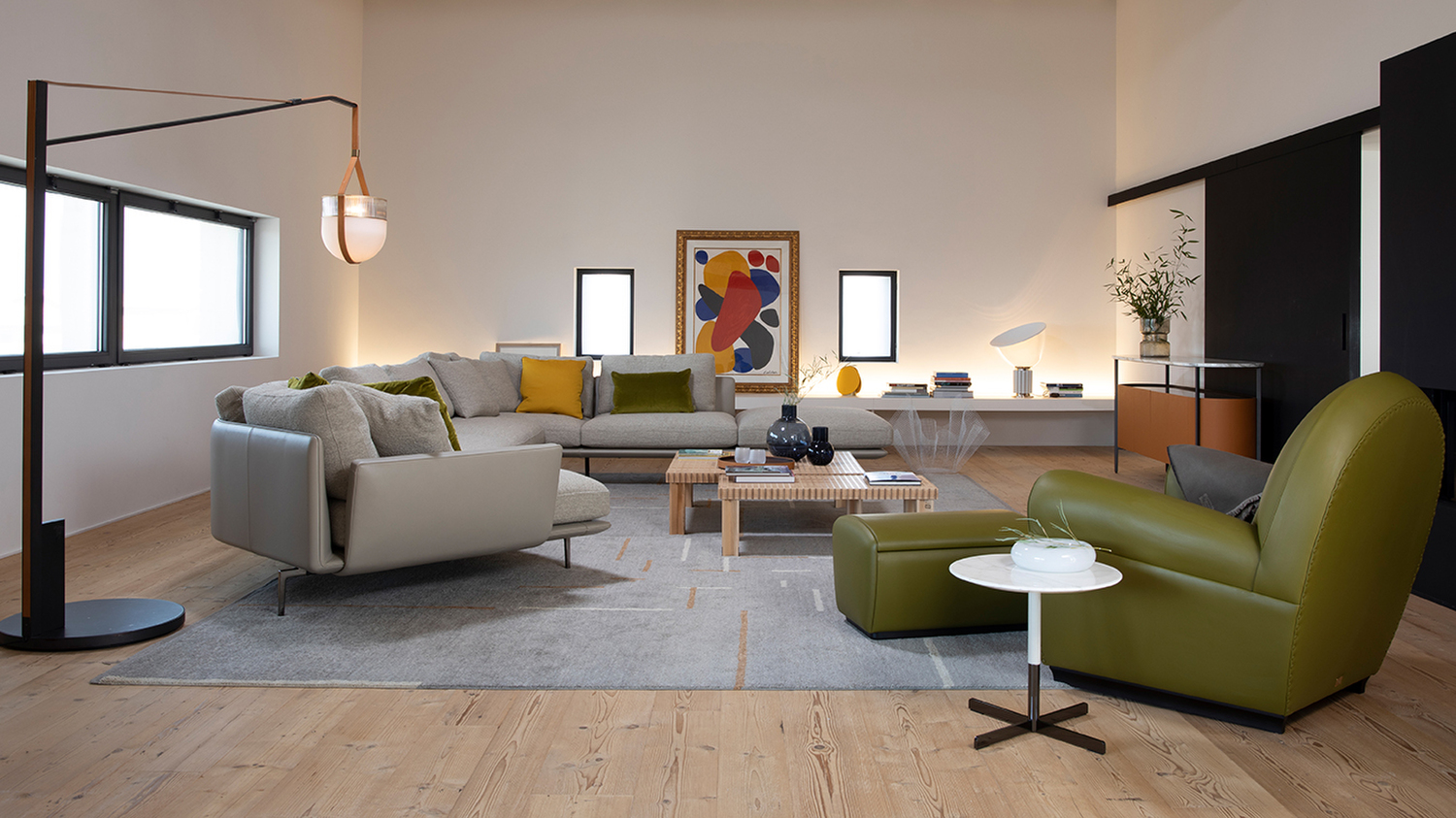
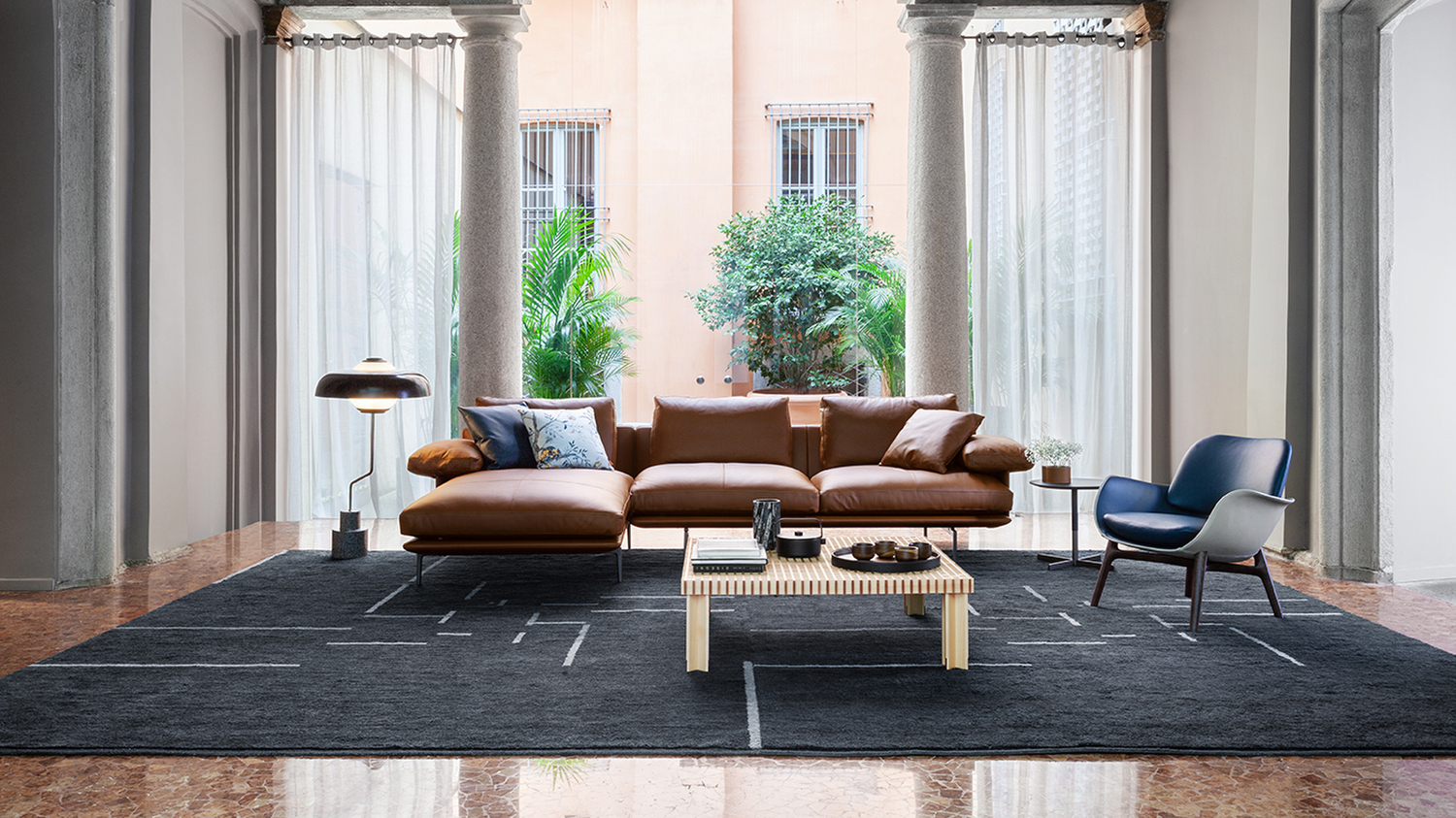
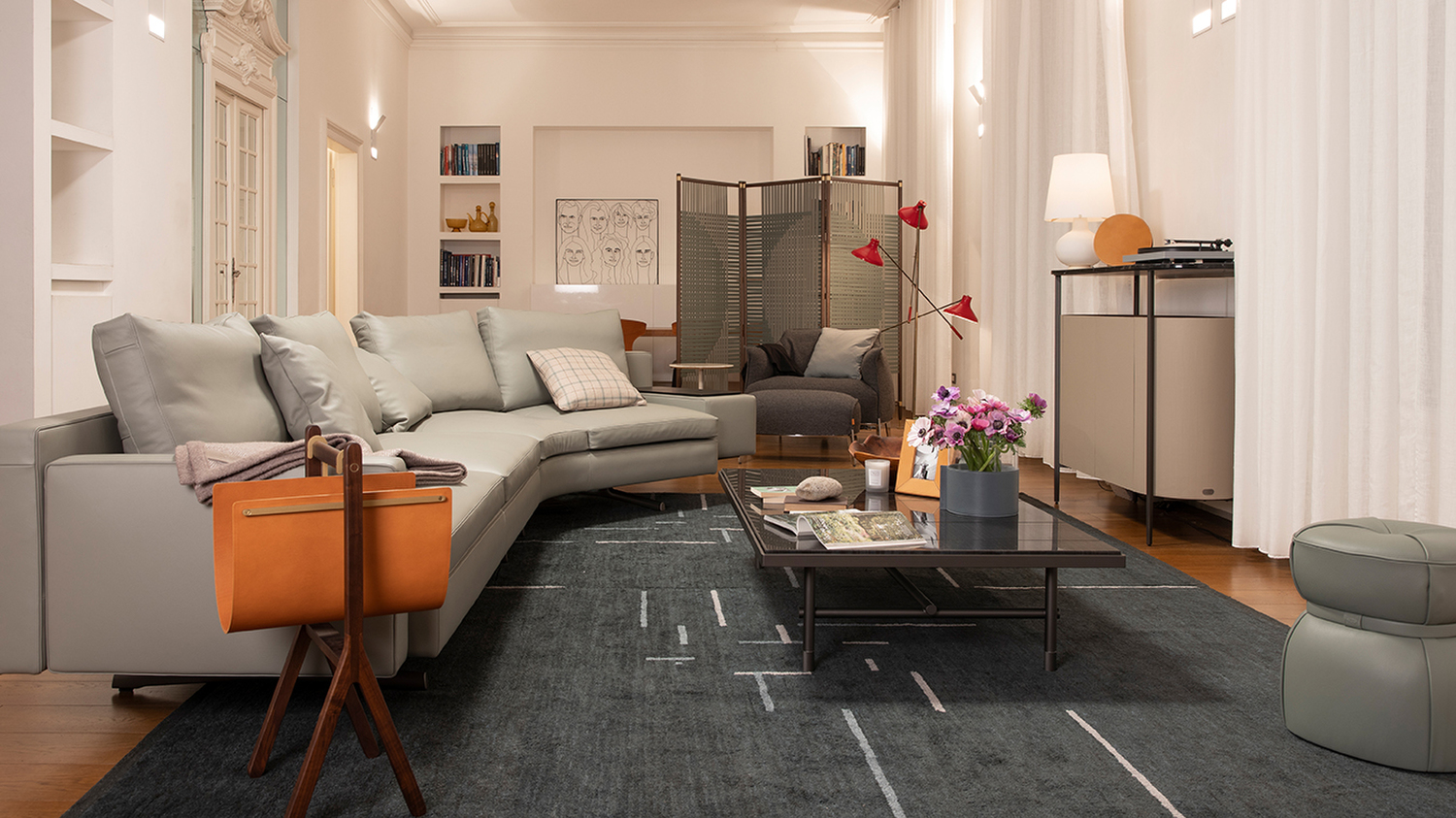
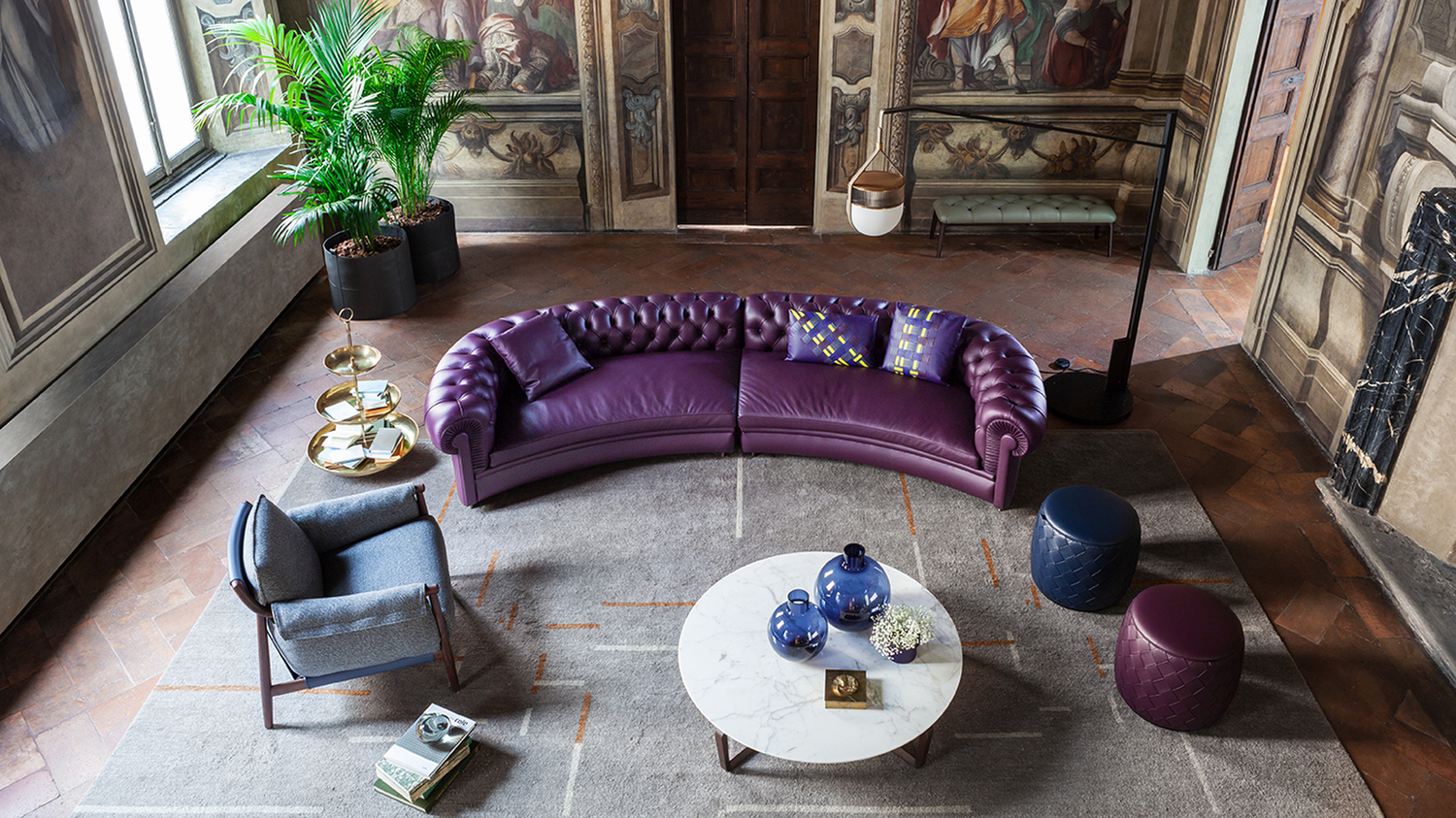
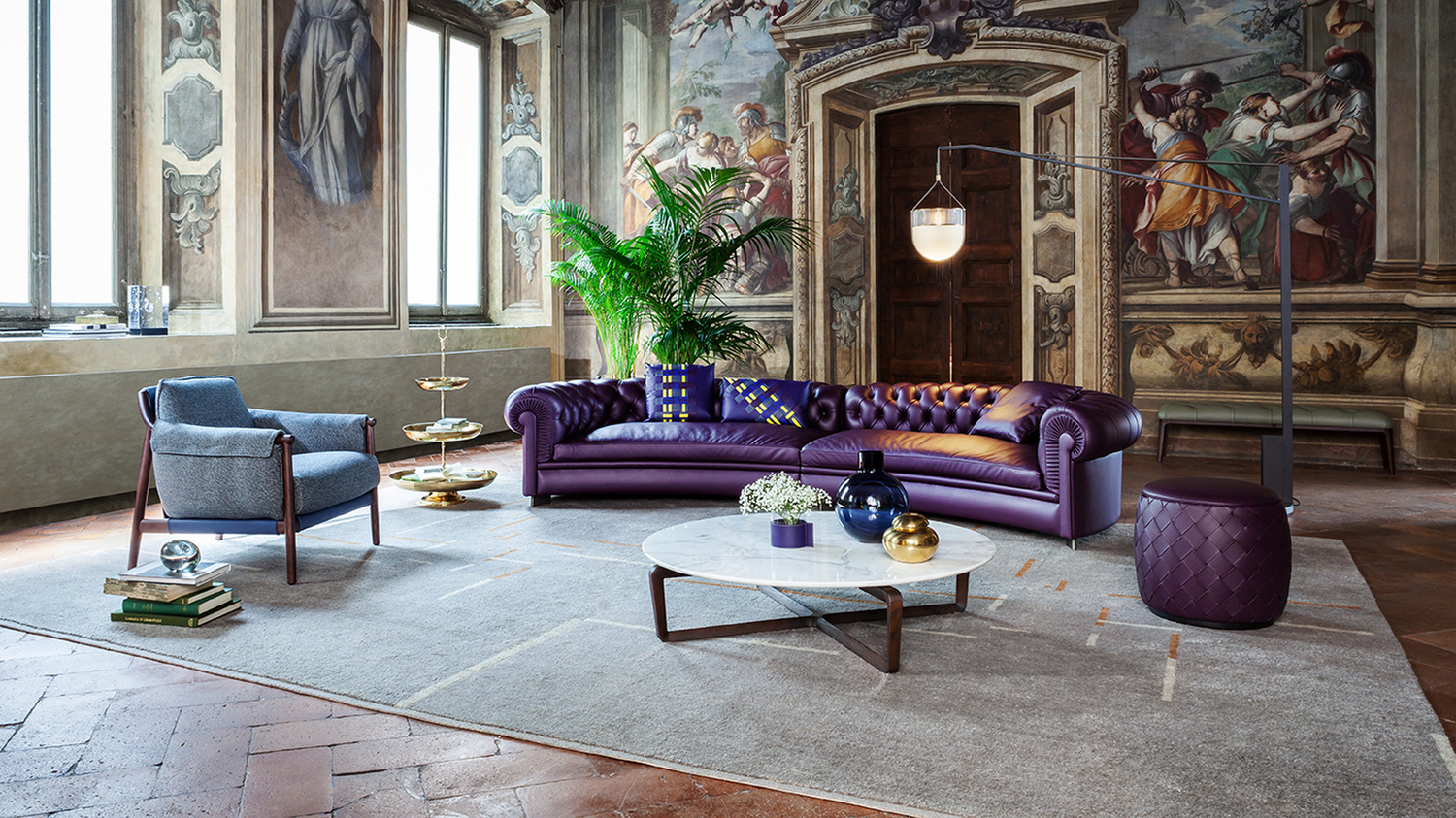
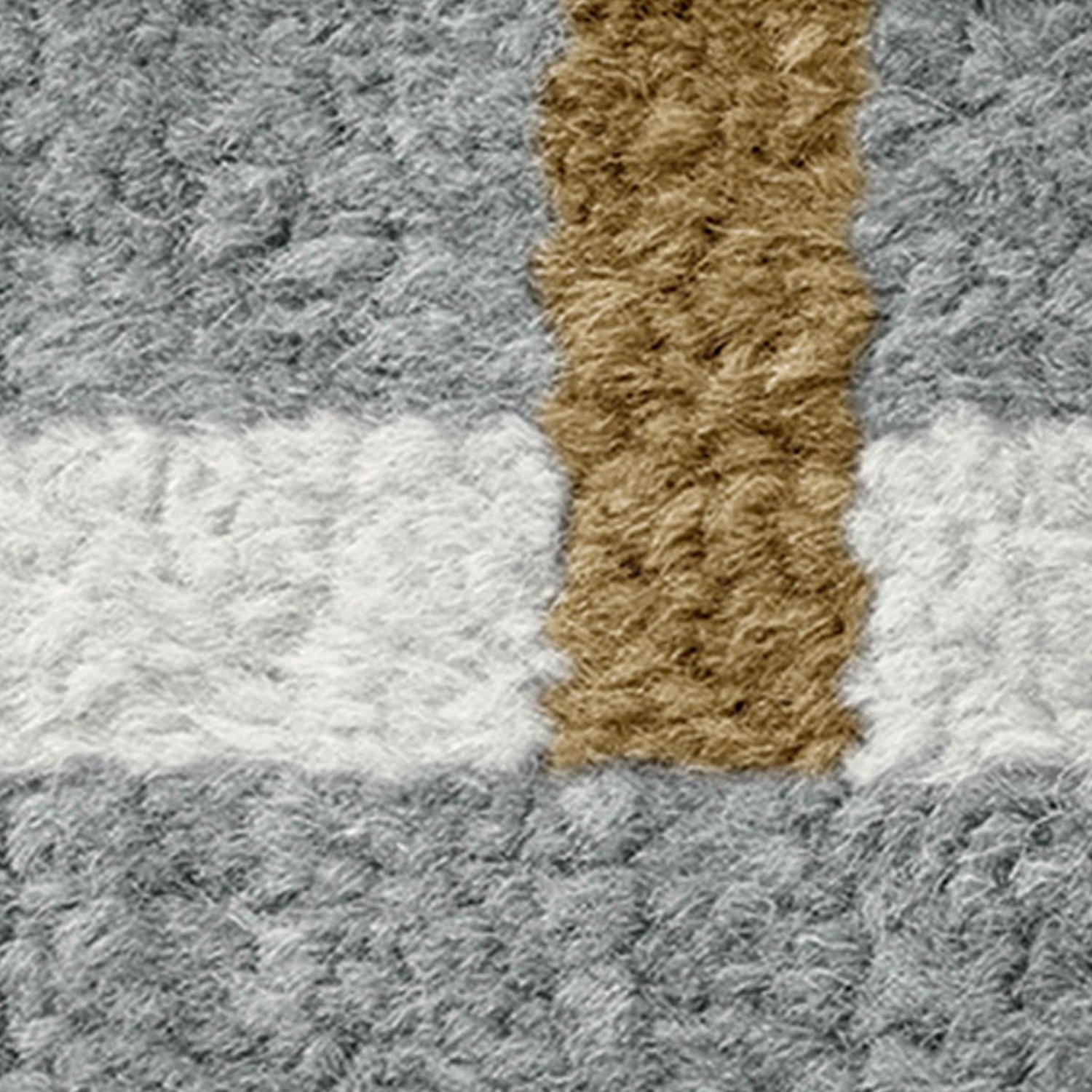
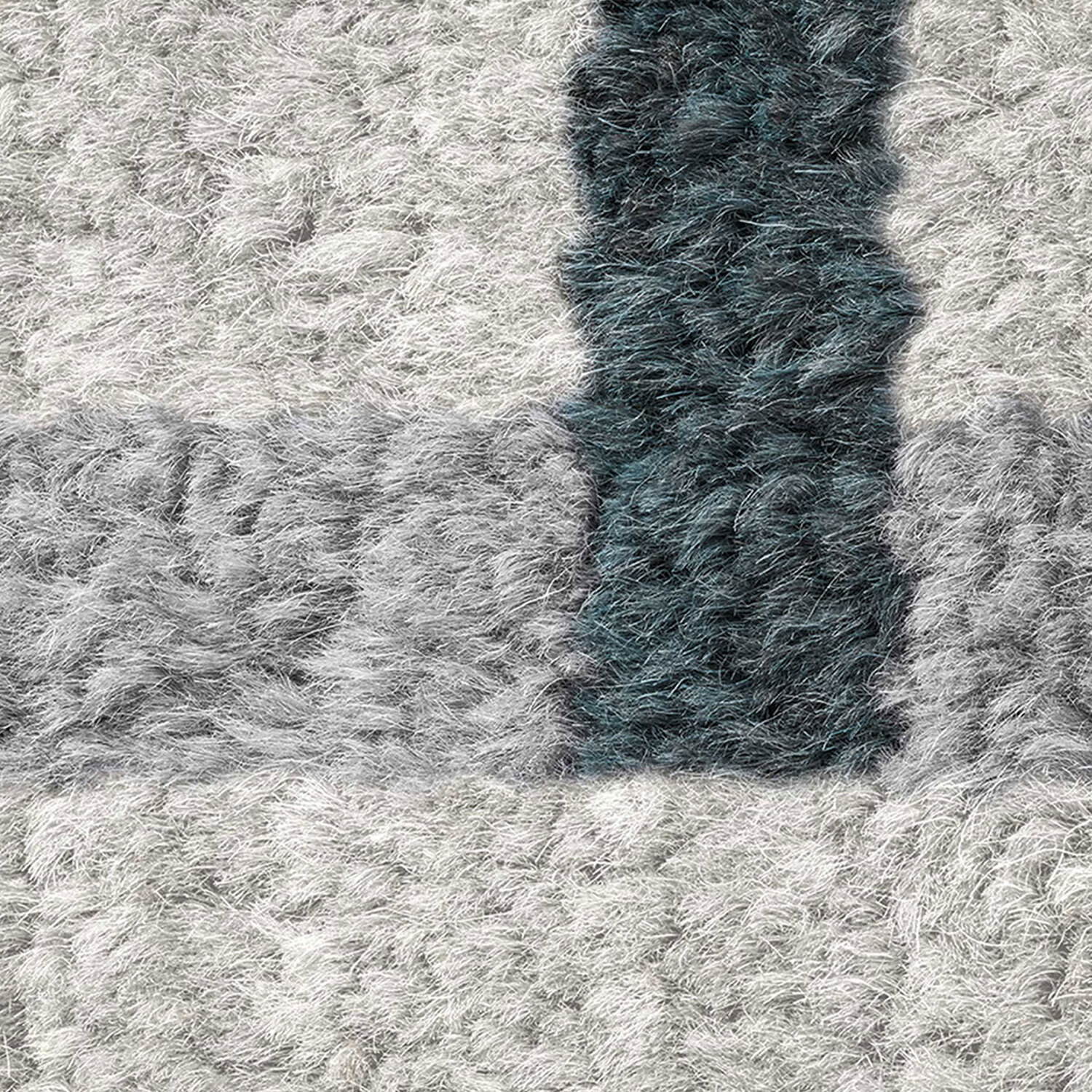
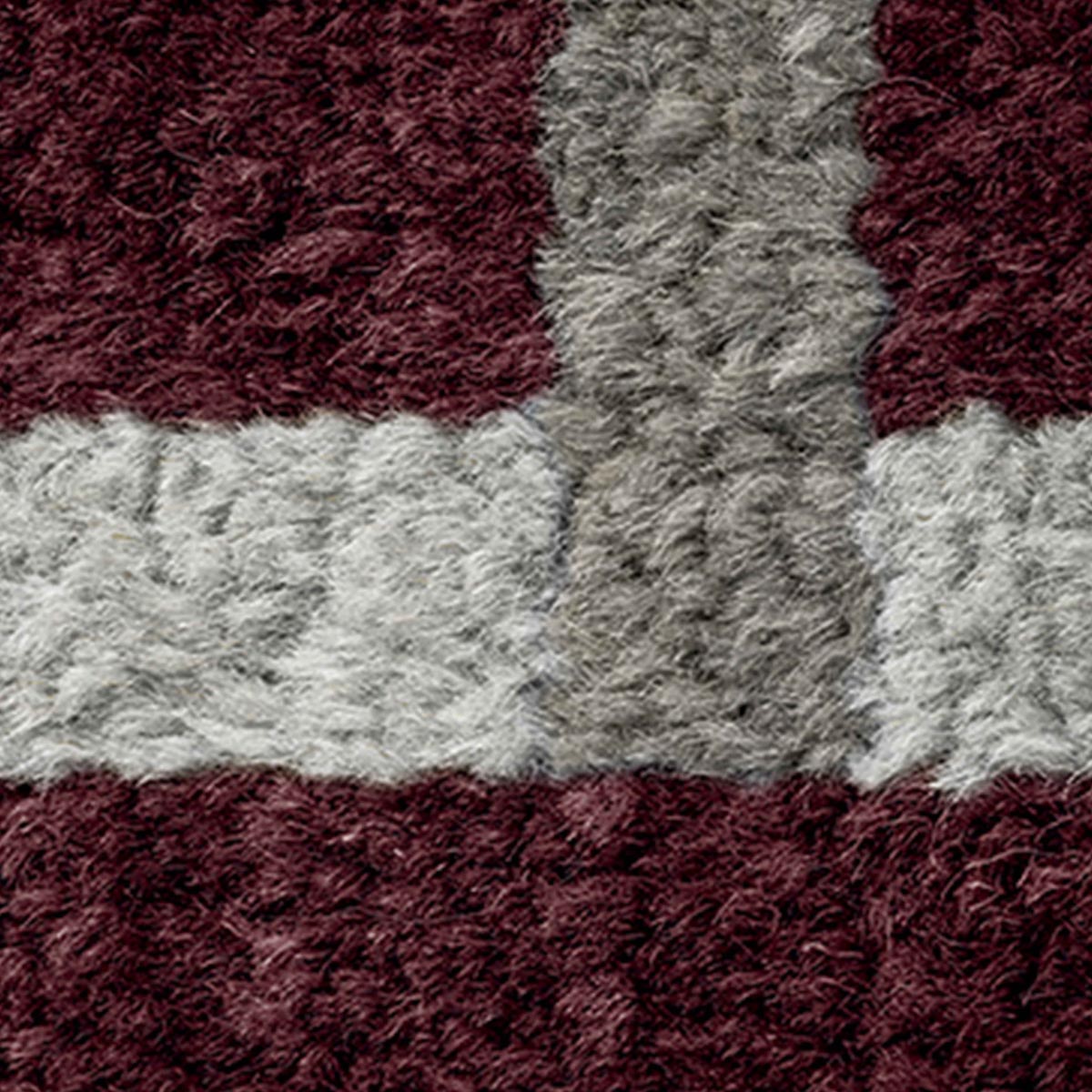
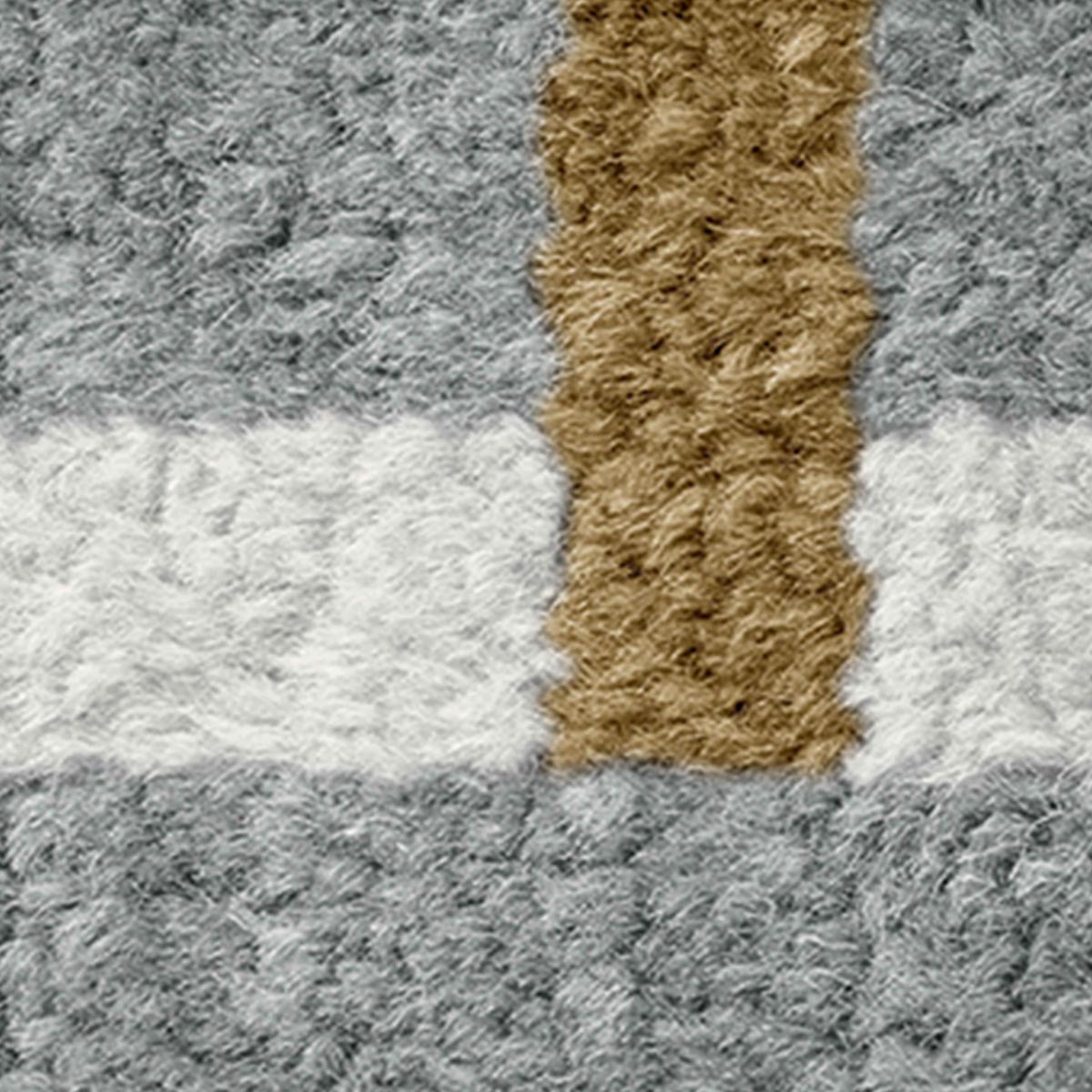
Poltrona Frau的Dizzy地毯,羊毛與絲混紡,圖樣靈感來自義大利優雅設計。

Dizzy | 地毯

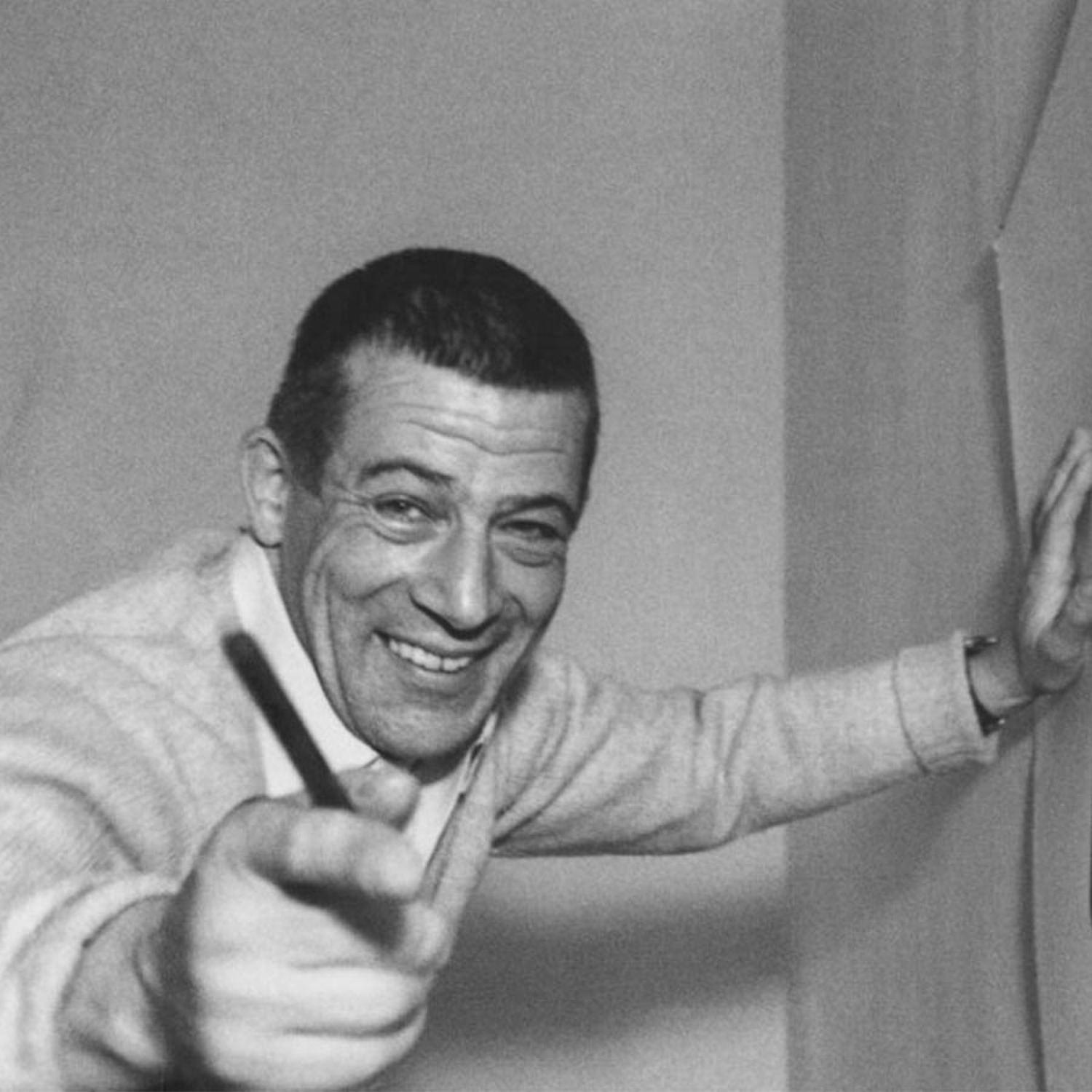
Max Huber

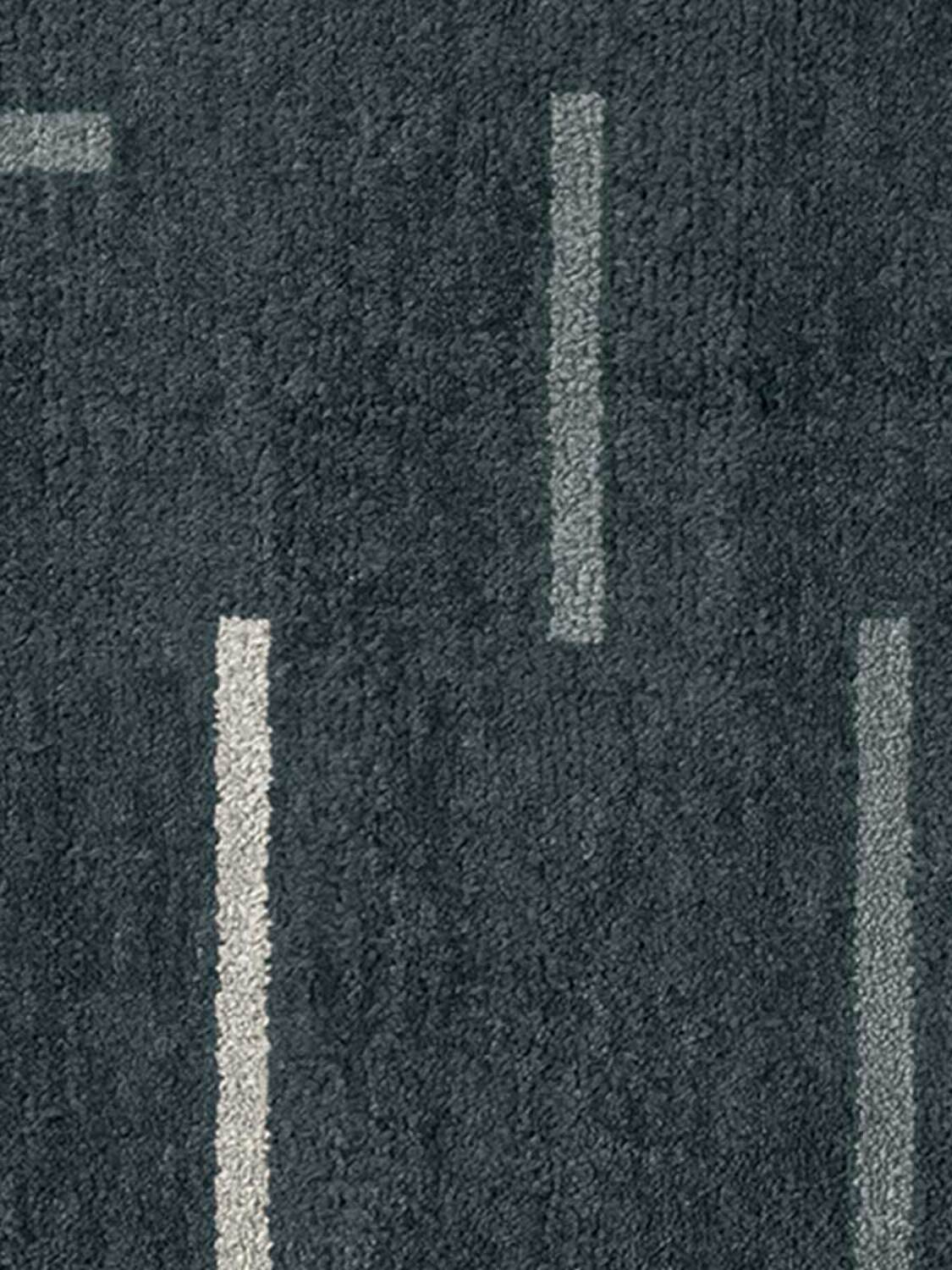
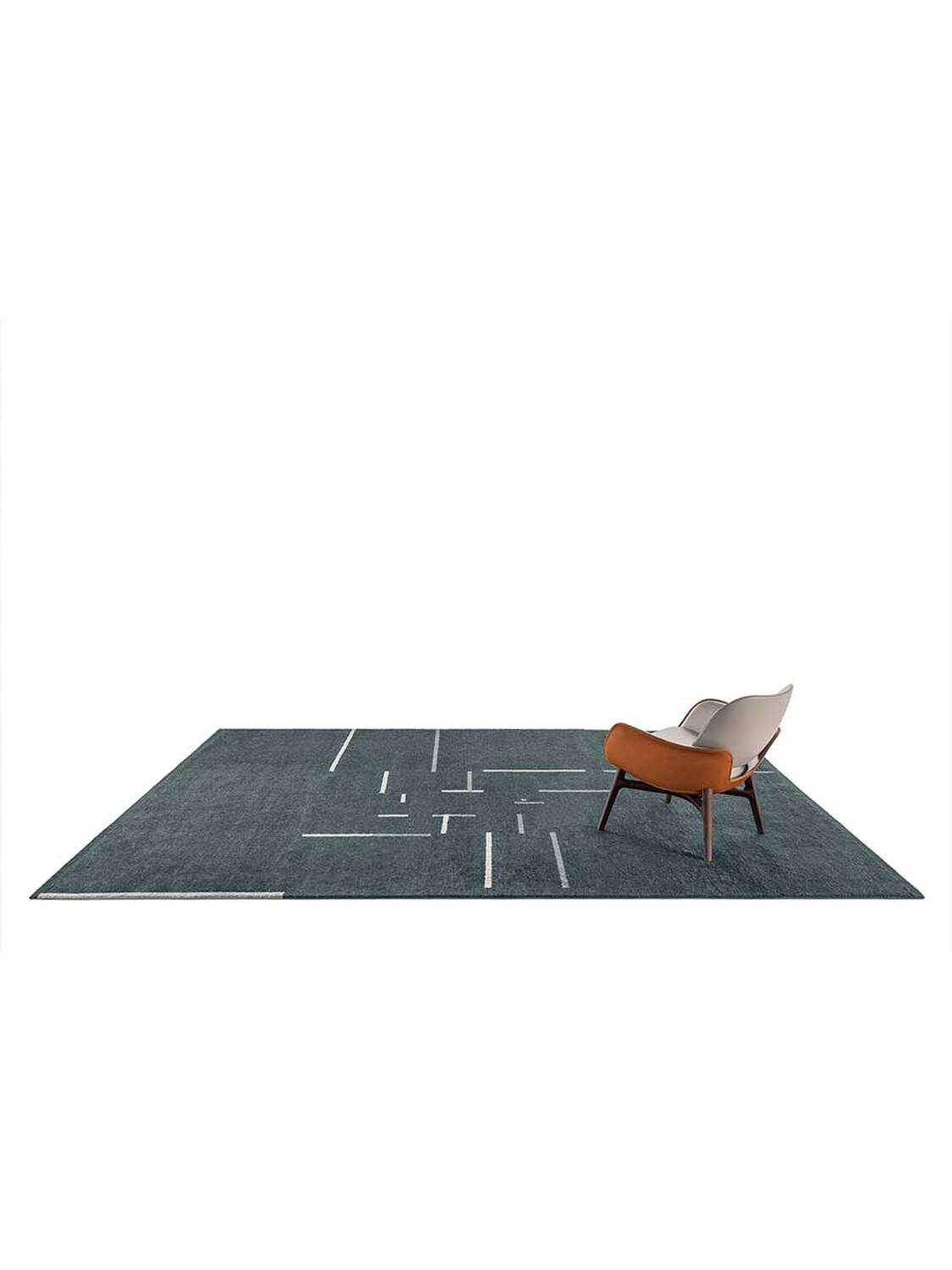
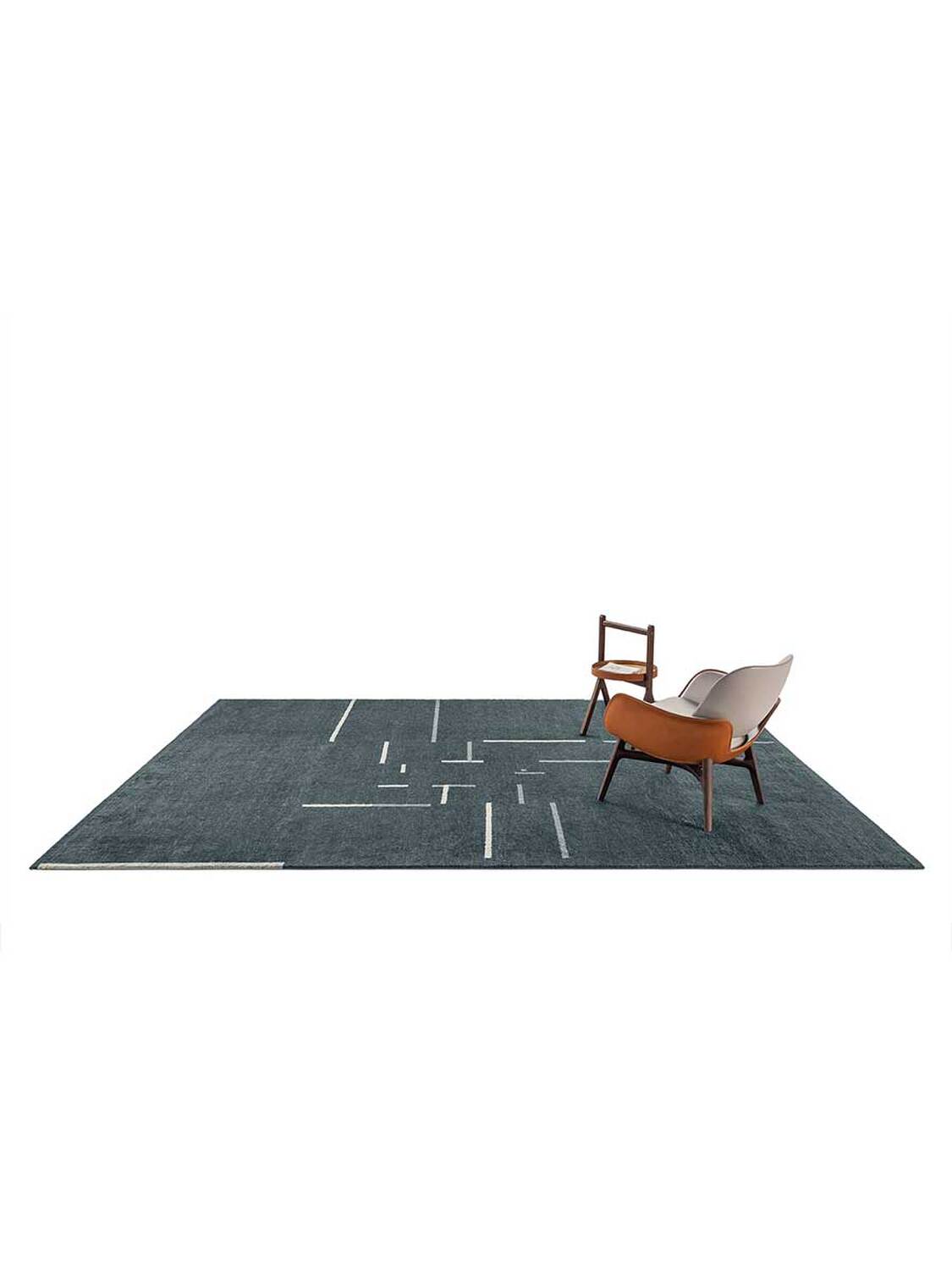
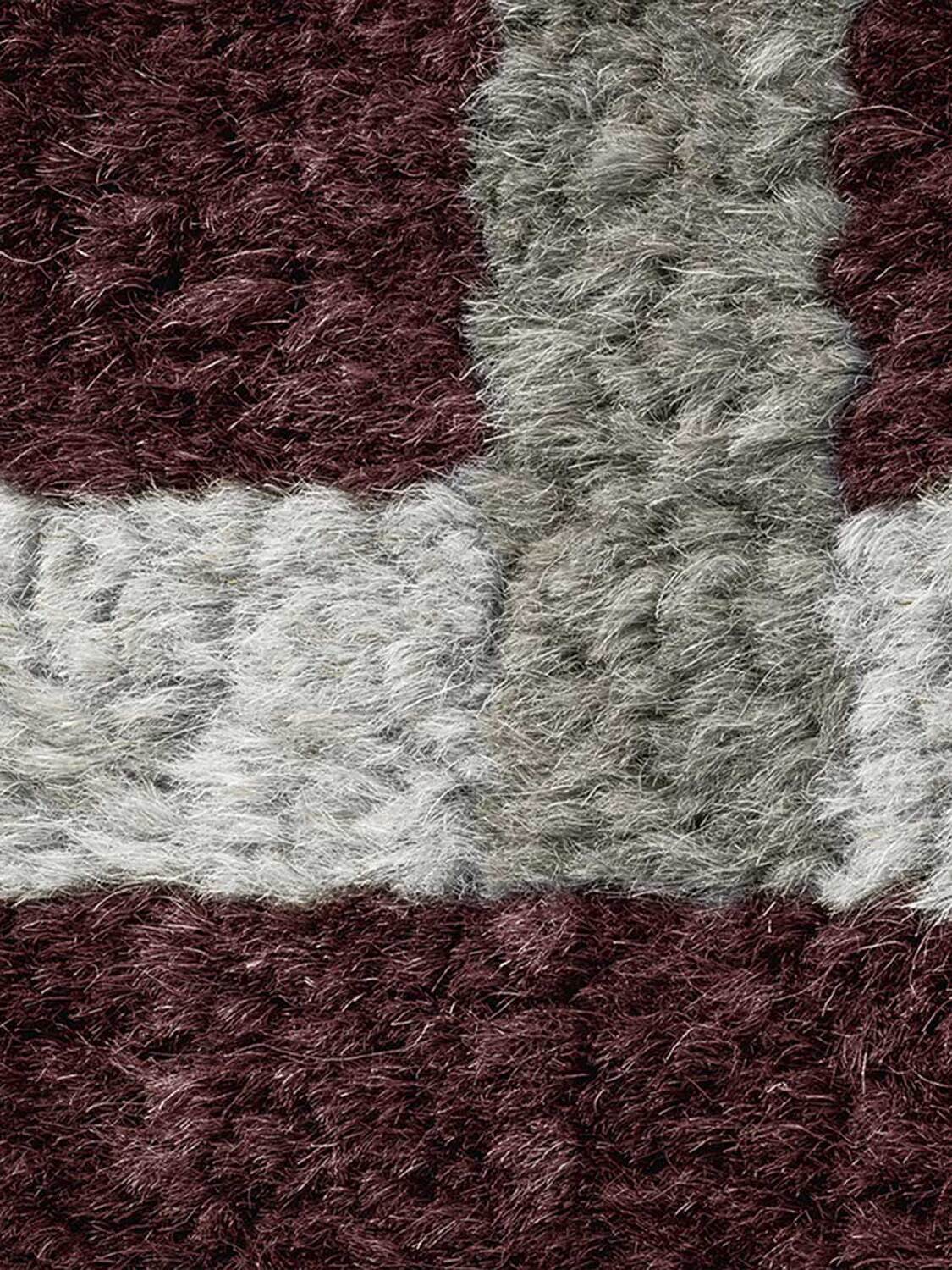
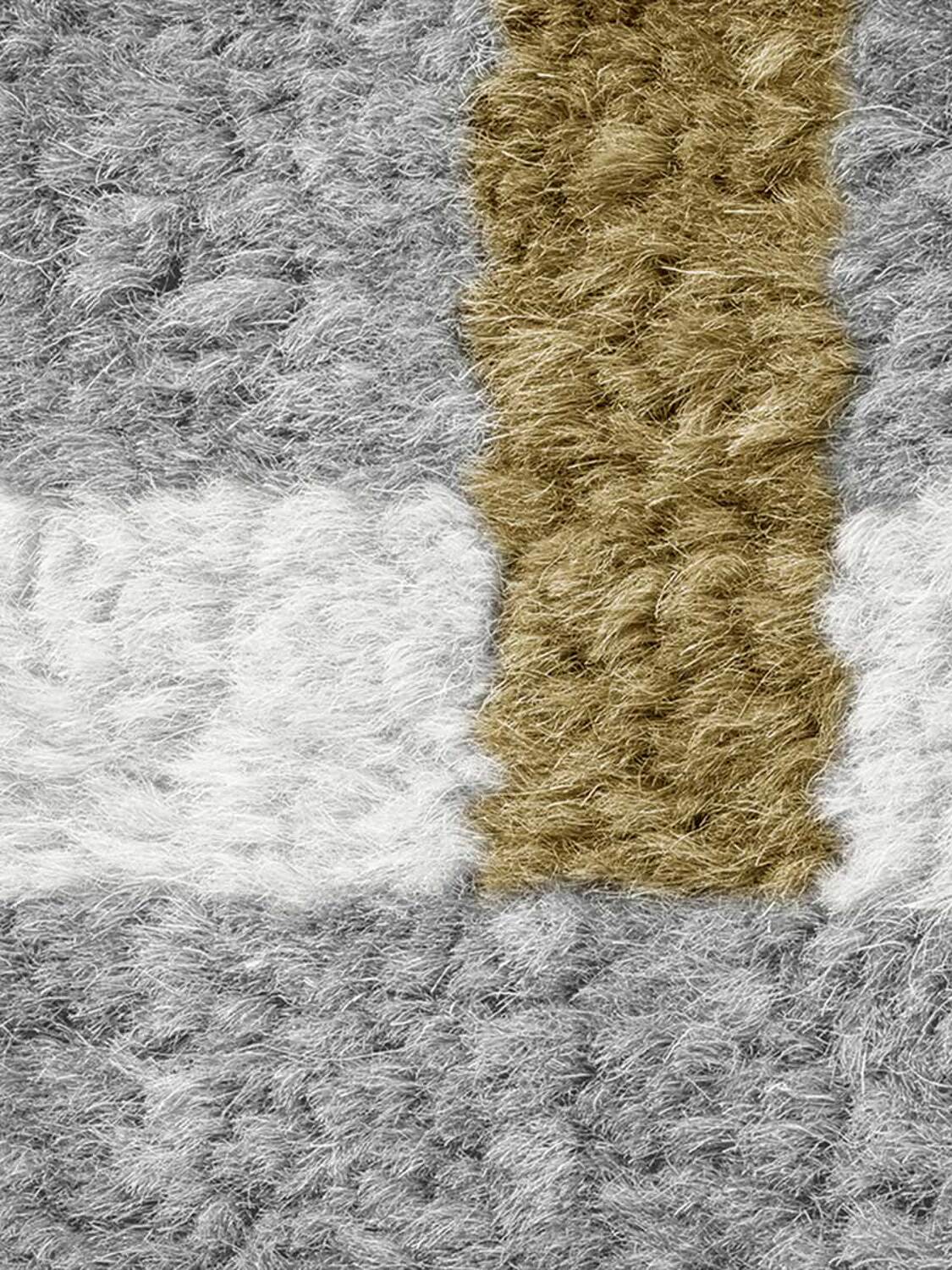
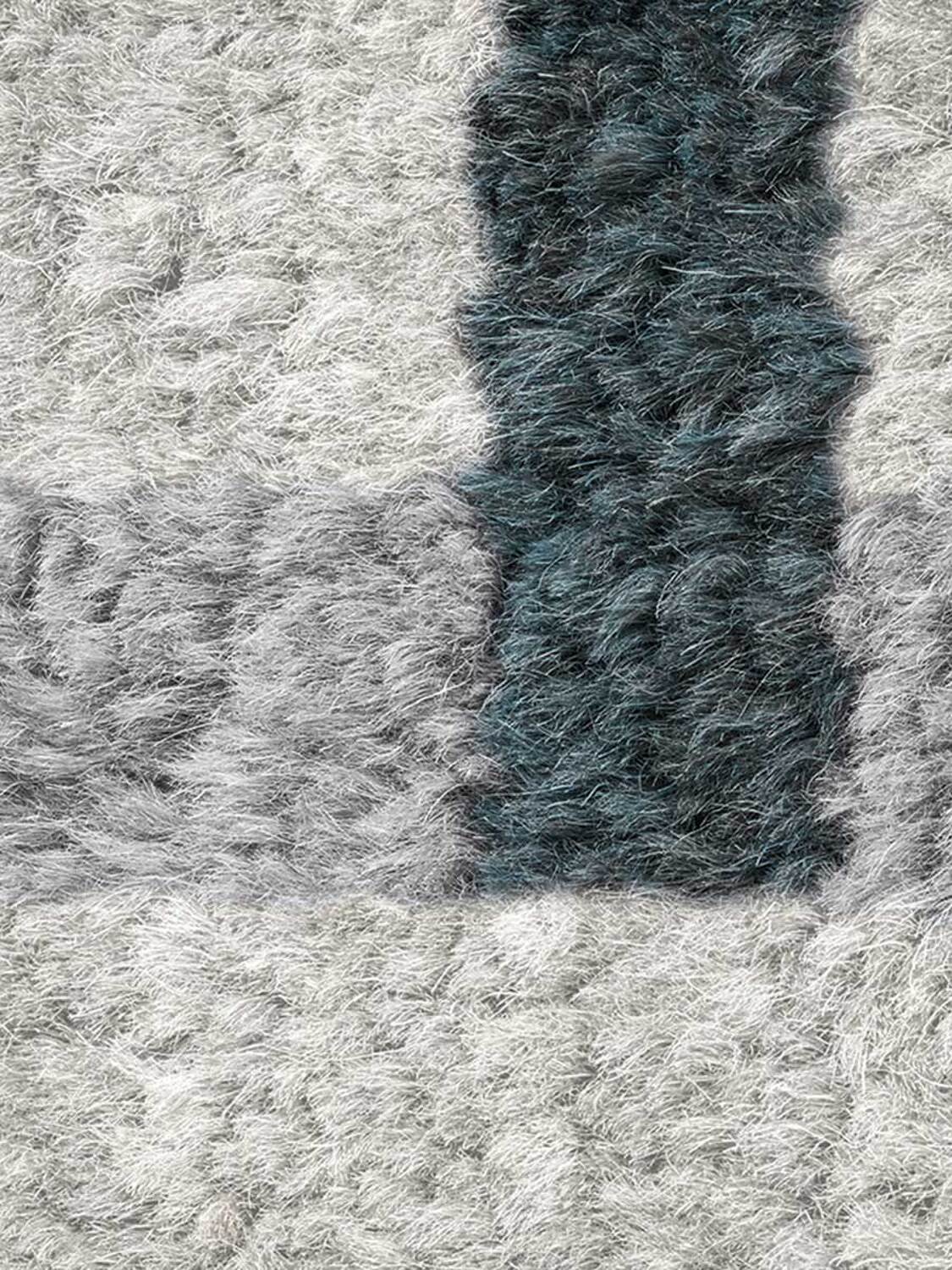
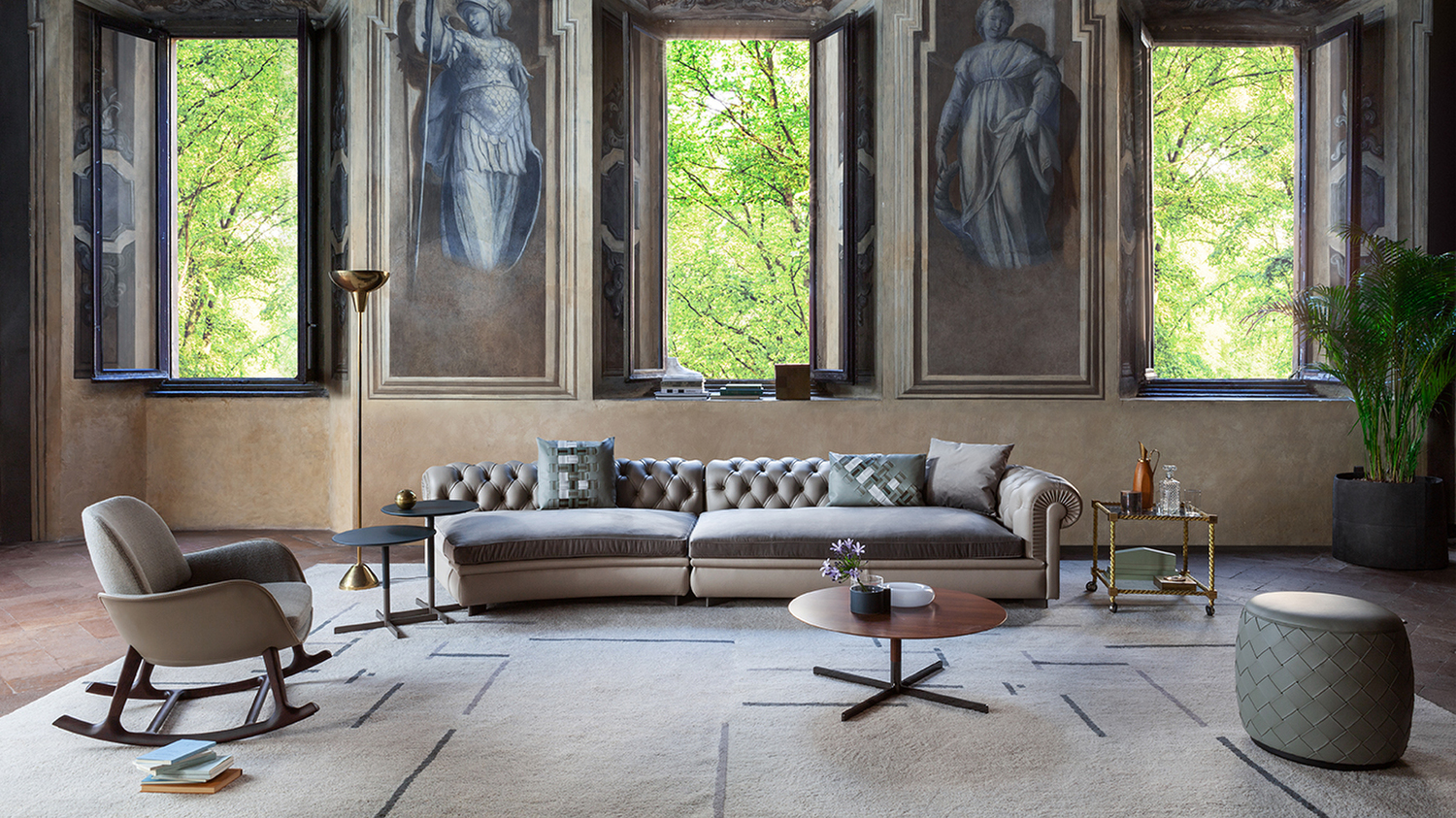
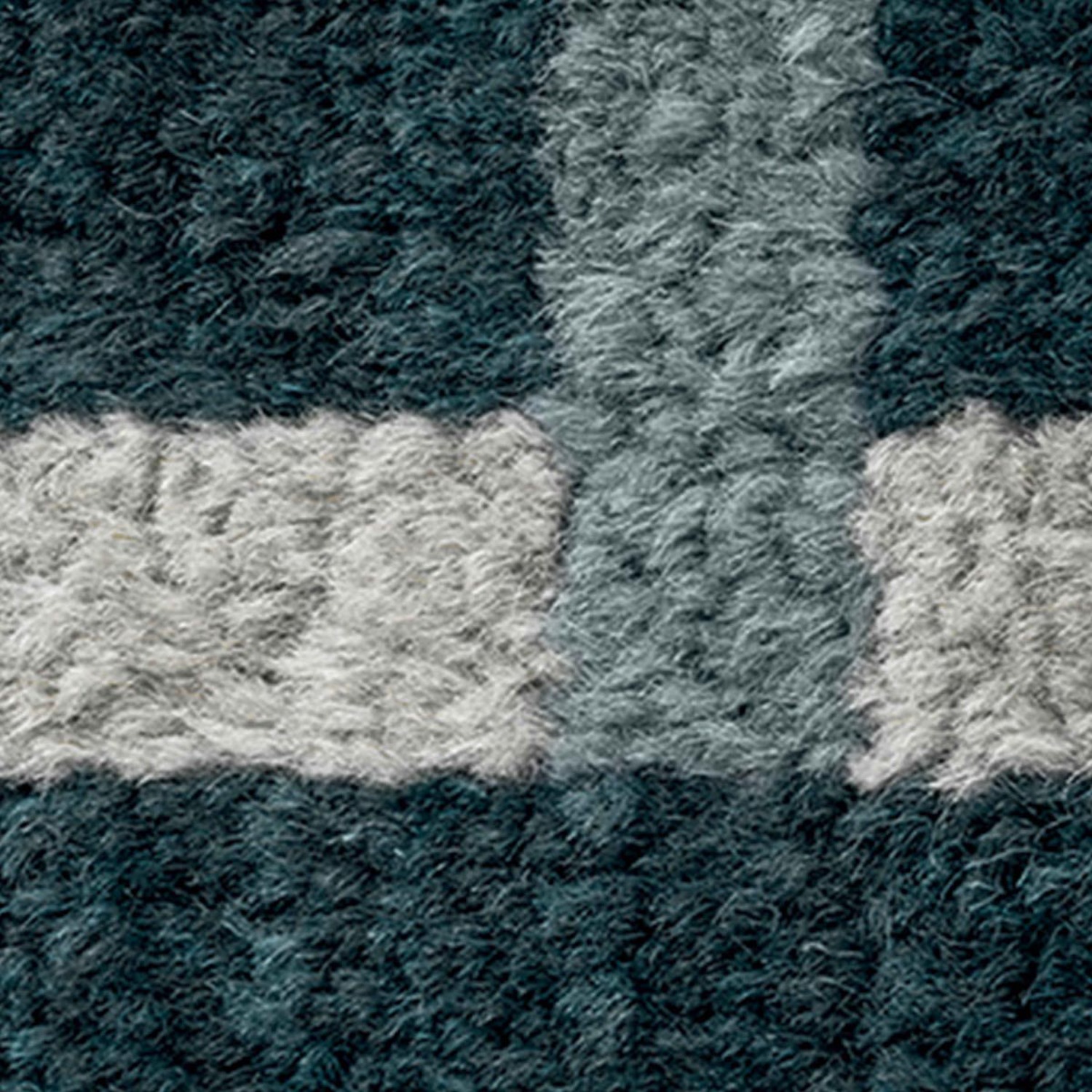
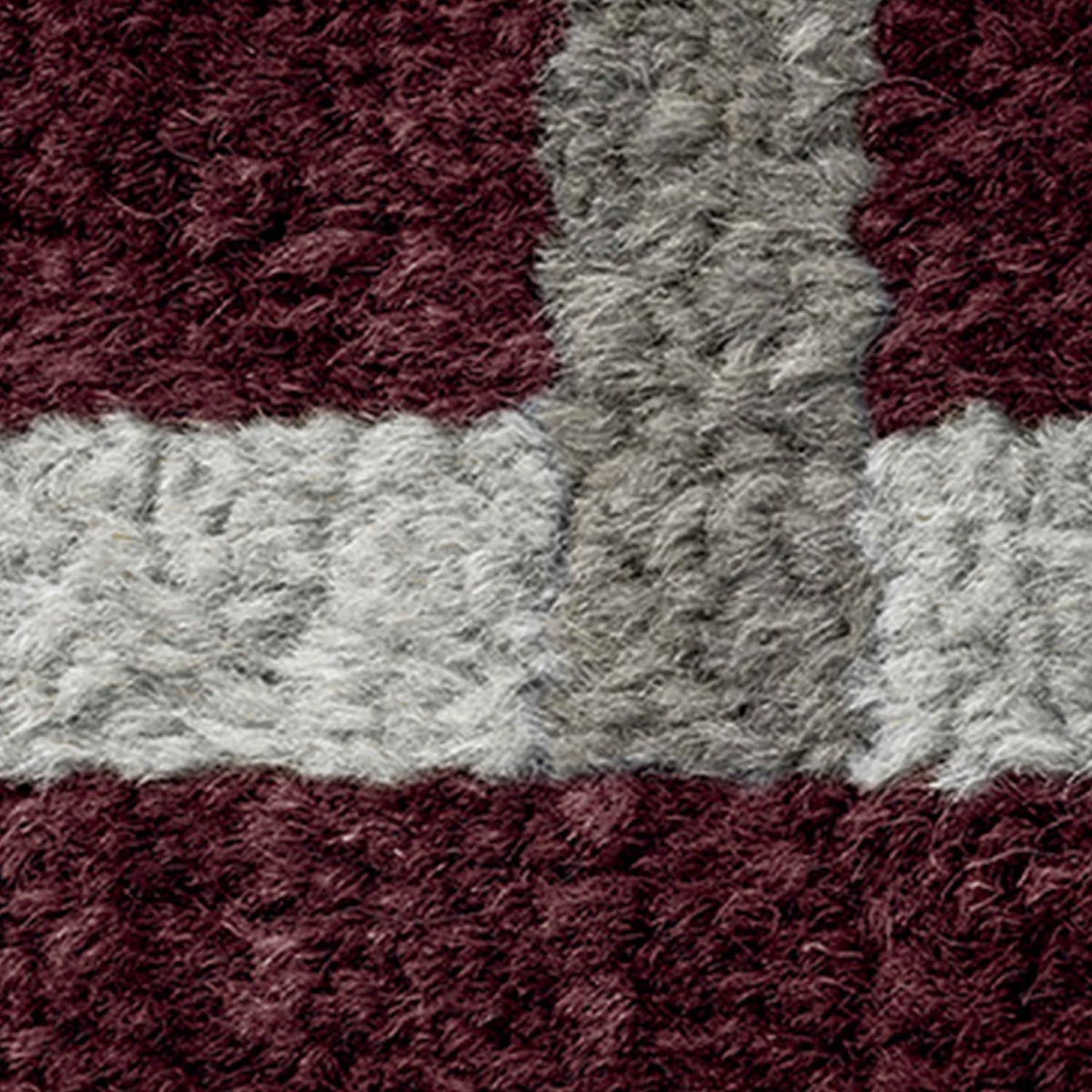
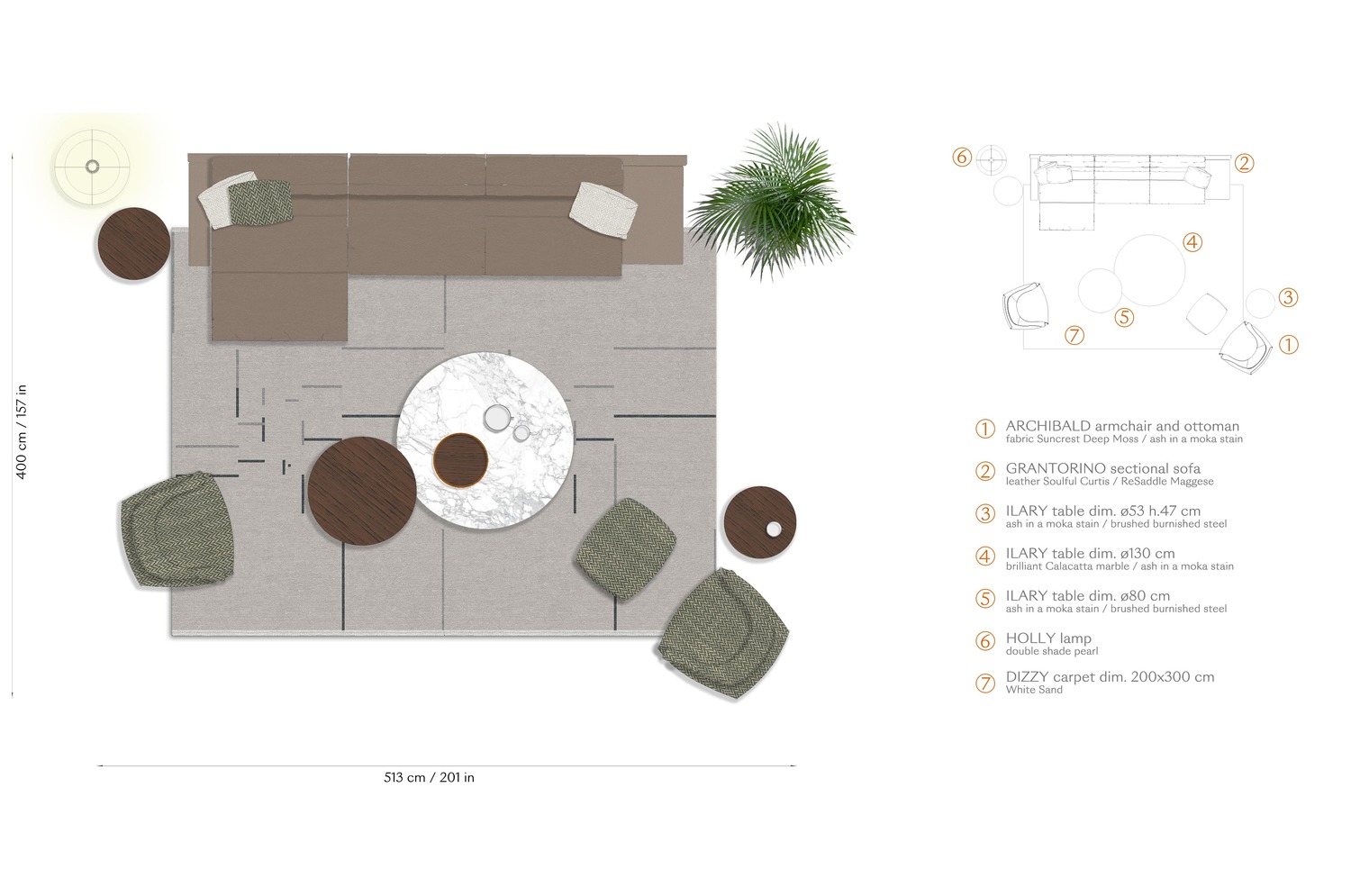
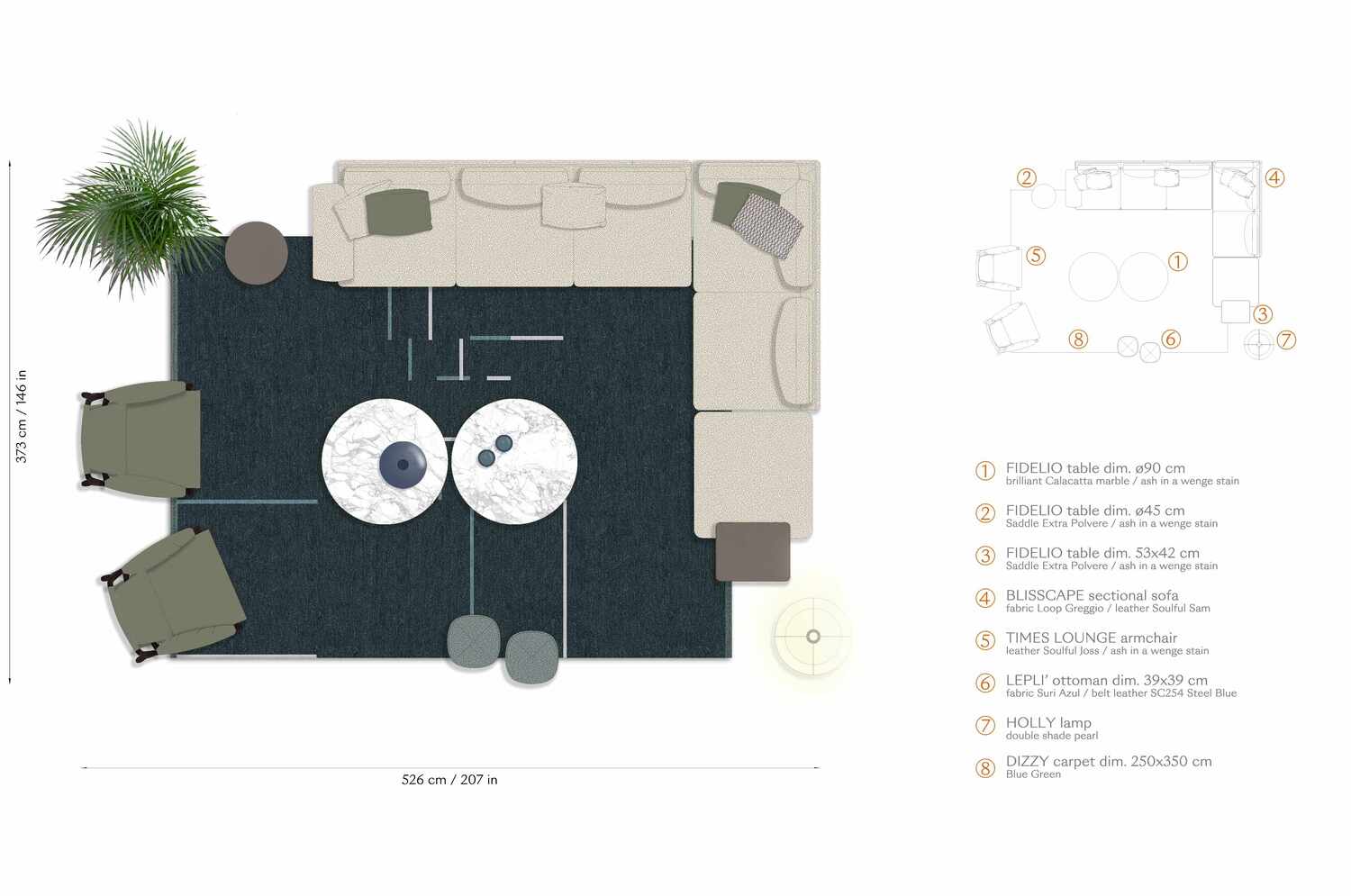
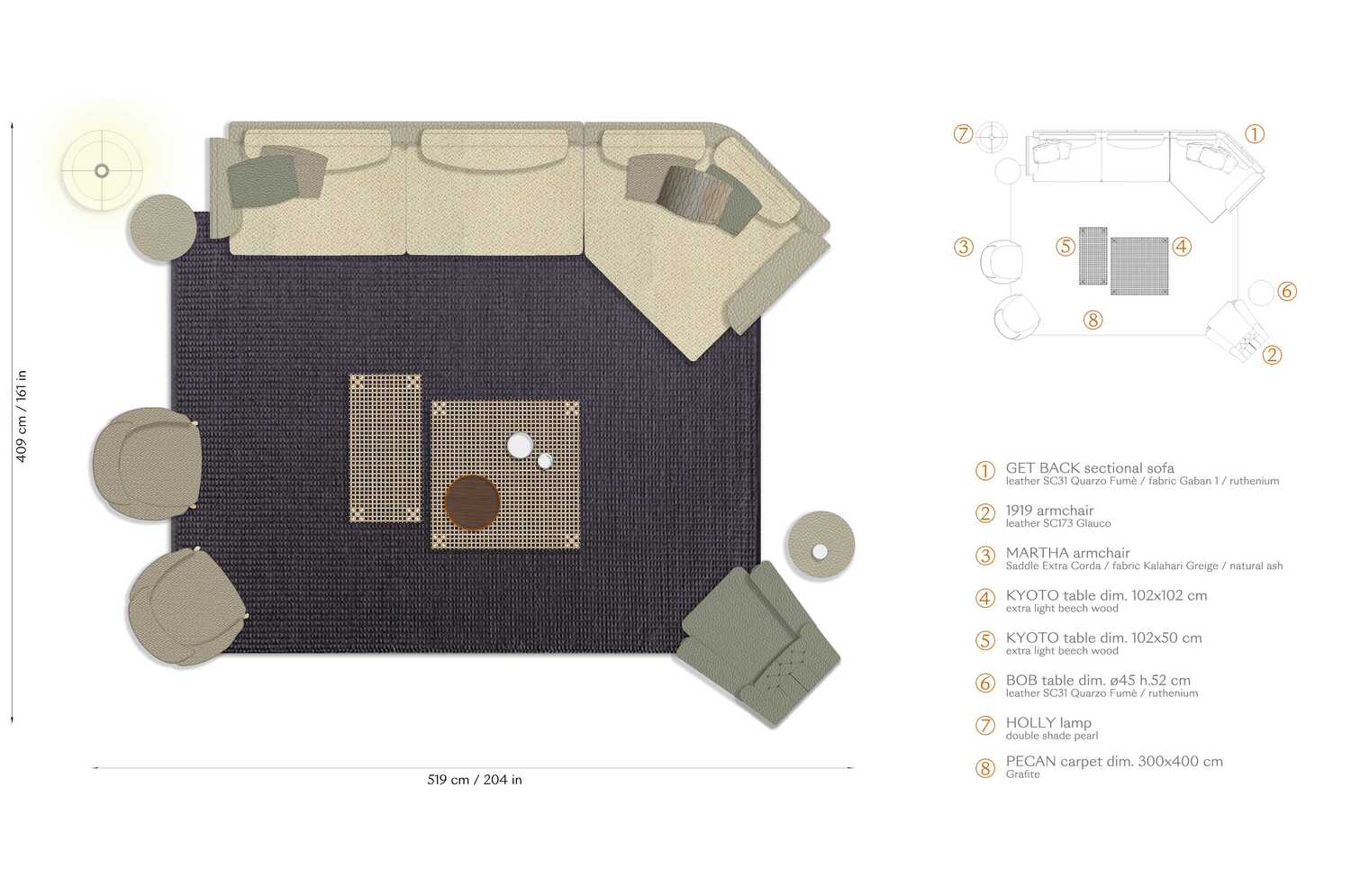
Dizzy 的特點來自於由兩條不同顏色的小虛線以水平和垂直排列而成的圖案。小橫線從地毯的中心發出,並向外側延伸,越向外就顯得越來越稀疏且線條更長。這種設計被認為是一個樂譜;因此,可採用更多的變化和尺寸。Dizzy 系列地毯共分為兩種規格:200X300 公分和250X350 公分,並提供四種非常優雅的顏色,兩款深色:Blue Green(藍綠色)、Deep Red(深紅色),兩款淺色:White Sand(白沙色)和Light Gray(淺灰色)。

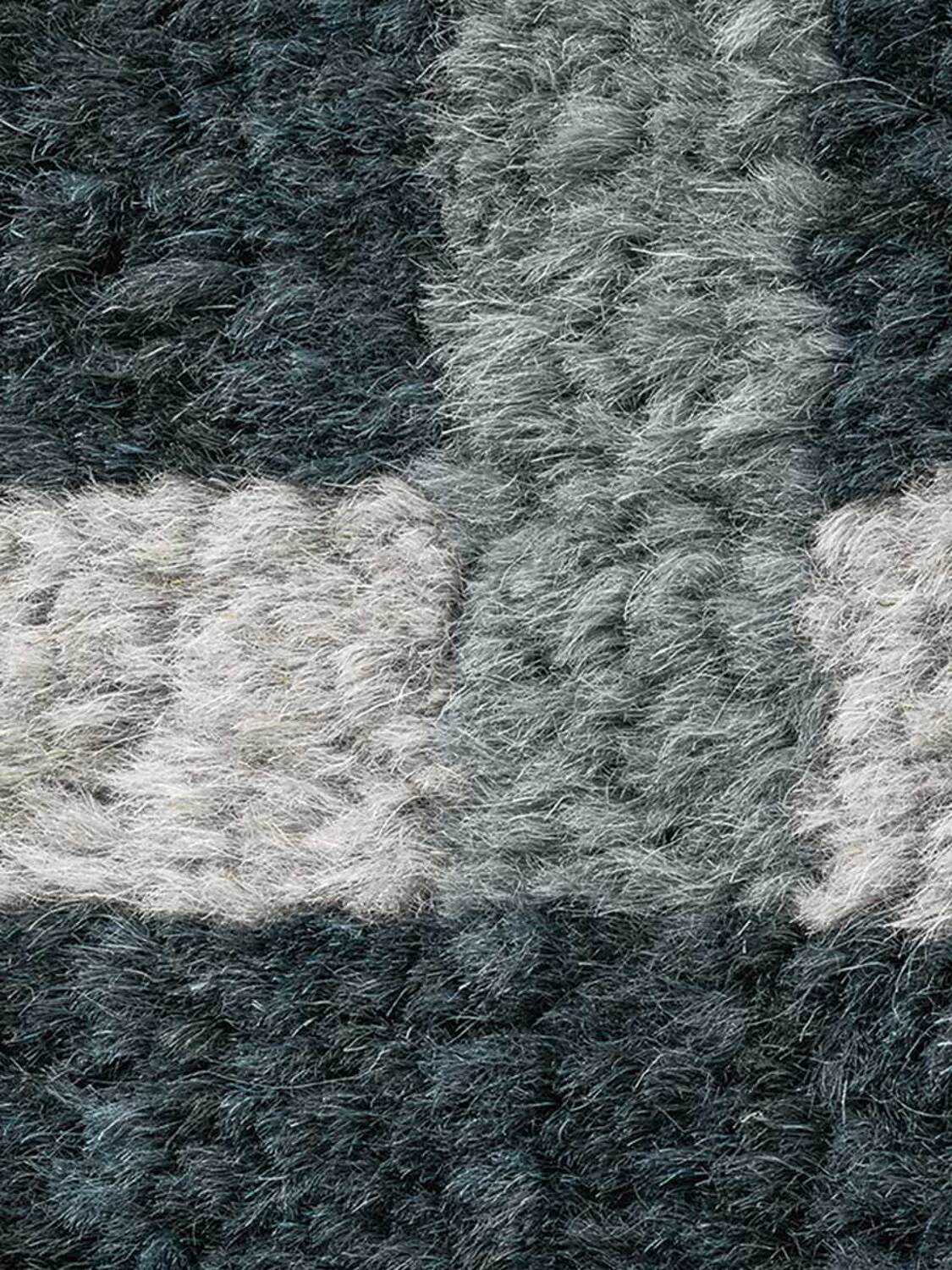
Dizzy 地毯採用波斯結編織工藝,完全是在木製框架上以手工製作,每平方公尺約有 50,000個結,藉此形成一種長毛毯面。原材料的選擇主要是為了讓毯面柔軟、耐用且同時具有光澤感。僅使用 100% 天然優質羊毛,以手工梳理和紡紗。 因此,顏色將以不完全均勻的方式吸收,並讓色澤呈現出獨特的色度。Dizzy 的邊飾也獨具特色,兩個短邊使用羊毛製作,以及採用 4 公分高的 Kilim 工藝,使顏色與地毯的基色相同。

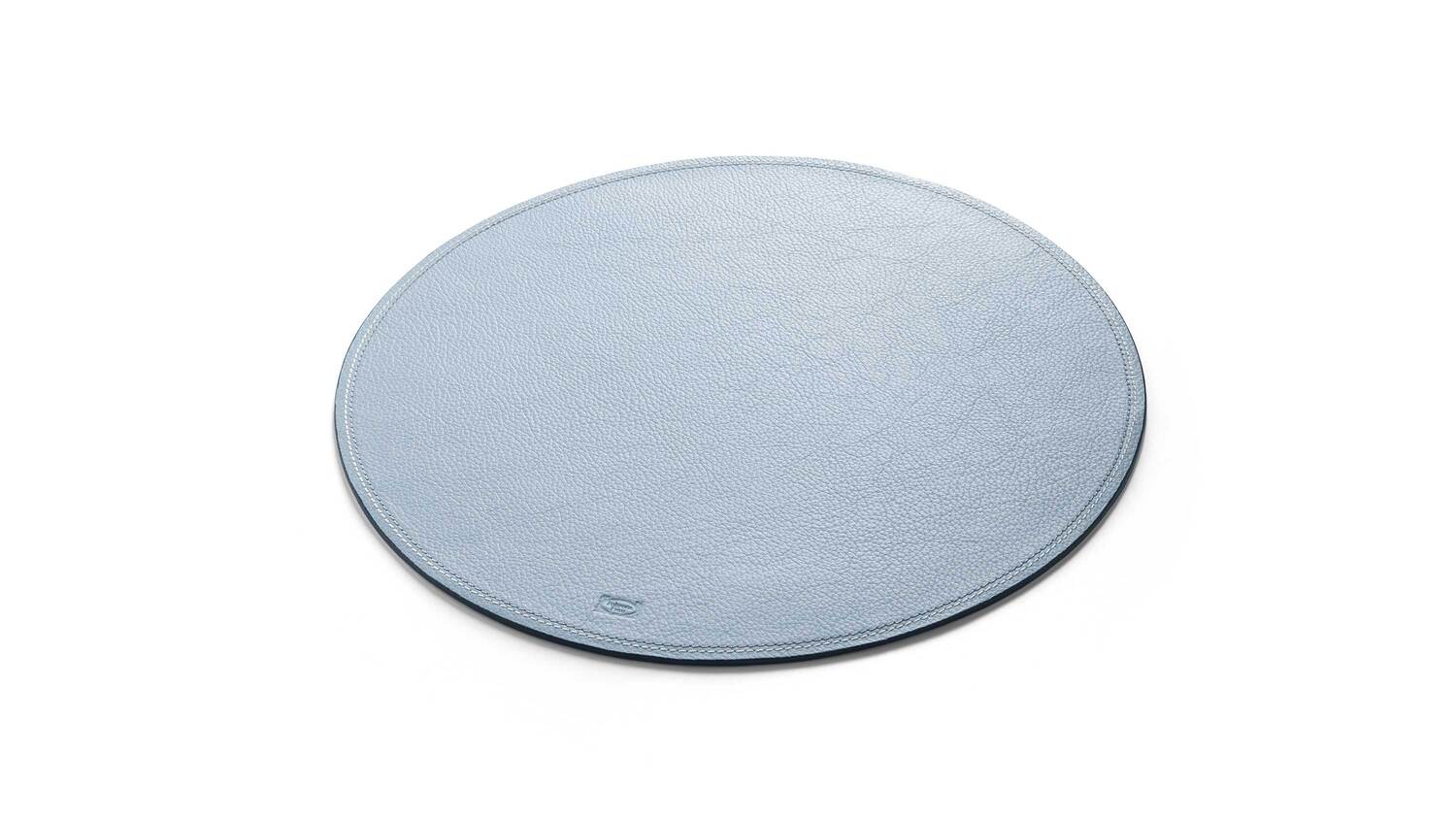
本系列地毯的背面帶有一個獨樹一格,以手工縫製的皮革標籤,上有壓印 Poltrona Frau 商標。為了保持四角張緊,地毯的背面還縫有兩條織物,其上繡有 Max Huber 的簽名。

Dizzy | 地毯

Max Huber
加载中
加载中
继续选择

地毯尺寸

地毯顏色

概念與設計
Max Huber 誕辰百年之際,Poltrona Frau 從檔案中選取分別創作於 1936 和 1947 年,且從未發表的設計手稿,並製作出 Billie 和 Dizzy 地毯系列,這是為了向這位傑出的瑞士平面設計師和藝術家的致敬。所選的原創設計將線條比例和厚度保持不變,同時能簡單地適應地毯的尺寸。

Dizzy 地毯是一種以一系列鮮明的線條為特徵的設計,其具有節奏象徵性的表現方式讓人不禁聯想到咆勃爵士樂和現代爵士樂的宗師之一 Dizzy Gillespie。這是向這位深受藝術家喜愛且對其作品產生影響的音樂流派的致敬。在 Max Huber 的職業生涯中,除了為 Esselunga、La Rinascente、Coin、Rai、Montecatini 打造的著名作品外,還創作出許多與這種音樂類型有關的作品,如 1950 年的「Ritmo」雜誌和 1952 年的「Jazztime」;1952 年「Messaggerie Musicali」爵士樂百科全書的封面,基亞索音樂節的海報:1985 年的「基亞索爵士音樂週」。
max huber
設計師
Max Huber

Max Huber 1919年出生于瑞士楚格州的巴爾,完成中學之後,他來到蘇黎世藝術工藝學校學習平面設計,在這裡,他帶著極大的熱情學習了Alfred Willimann的課程。在此期間,他有機會認識了許多瑞士平面設計師和藝術家,包括Werner Bischof、Emil Schulthess、JosefMüller-Brockmann、Carlo Vivarelli、Hans Falk、Hans Neuburg和Max Bill等。帶著對新體驗的渴望,Max Huber於1940年來到米蘭,在著名的Antonio Boggeri平面設計工作室找到了一份工作,在那裡他遇到了Bruno Munari、Luigi Veronesi和Albe Steiner。僅僅一年之後,由於政治局勢艱難,他返回瑞士。隨後,Max Bill邀請他加入Allianz集團,這是引領“具象藝術”流派的現代瑞士藝術家協會,會員中包括Hans Arp和Richard Paul Lohse。

1945年10月,他回到米蘭,與Albe Steiner一起創作了1947年第八屆三年展的平面設計專案。在這個時期,他結識了Giulio Einaudi,並受委託負責其出版社的所有平面設計。同年,他為Max Bill與Lanfranco Bombelli Tiravanti在米蘭著名展覽場所大皇宮策劃的抽象和具象藝術展覽創作了平面設計和小目錄。 1949年,還是在米蘭,他加入了Gillo Dorfles、Gianni Monnet、Bruno Munari和Atanasio Soldati在一年前創立的具象藝術運動,並參與設計了第四塊平面展板。隨後,從五十年代開始,他在平面設計領域脫穎而出。期間尤為值得銘記的是他為la Rinascente商店設計的新標識,以及為Coin、Nava以及Esselunga超市連鎖店設計的標識,此外他還為米蘭Omega和Flos展示廳完成了裝設。在那些年裡,他與建築師兼設計師Achille和Pier Giacomo Castiglioni密切合作,通過其建築平面設計,共同為Rai、Eni和Montecatini(之後更名為Montedison)等專案實現了眾多裝設創意。Max Huber很快就獲得了公眾認可,1954年,憑藉“塑膠面料”的設計,榮獲義大利設計獎“金圓規”獎。此外,他還長期而持續地從事教學活動,1947年起,在米蘭Rinascita學校執教,1959至1962年在Umanitaria學校繼續授課,70年代則在由Bruno Munari與Nino Di Salvatore共同領導的米蘭工業設計學院擔任教師。從1978年到1984年,Max Huber將其教學經驗帶往瑞士,在盧加諾的CSIA-藝術工業教學中心教授平面設計。1992年11月16日去世。

飾面和表面處理

尺寸
01 dizzy rug 300x200 5623889
02 dizzy rug 350x250 5623889
查看全部
佈局
01 layout dizzy rug
02 layout dizzy rug
03 layout dizzy rug
04 layout dizzy rug
下载

2d dwg

Dizzy 是一款能為空間注入動感、節奏與鮮明個性的地毯。它的圖案不僅僅是對表面的裝飾,更透過充滿生命力且極具辨識度的視覺語言,塑造出強烈的存在感,以精緻而富有動態感的圖形設計改變空間氛圍。由中心向外放射的折線圖案,彷彿蘊含著音樂般的律動感,使這款地毯特別適合那些希望藉由一件個性鮮明的家居單品來定義空間氣質,同時又不願犧牲材質與工藝精緻度的人。


在客廳中,Dizzy 非常適合作為會客區的視覺焦點。無論是鋪設於具有份量感的沙發下方、現代風格的座椅組合區域,或是寬敞的開放式空間中,它都能透過強烈而克制的裝飾語彙,為空間注入視覺節奏感,並協助界定與組織空間機能。對於採用簡約家具配置的住宅而言,它尤其合適,因為它能在不破壞整體平衡感的前提下,為空間增添活力、層次感與更具表現力的維度。


對於偏愛中性色調、強調材質表現或單色系室內設計的人來說,Dizzy 是為整潔而精緻的空間增添圖形元素的理想選擇。多樣的配色方案能讓最終效果呈現出柔和明亮或濃郁戲劇化的不同氛圍。在擁有淺色牆面、素色布藝沙發,以及皮革、木材或金屬元素的空間中,這款地毯能帶來富有律動感的視覺張力,使空間更加令人難忘且富有個性。


Dizzy 同樣非常契合喜愛現代主義設計、二十世紀平面藝術、藝術文化元素,以及以少量精選家具打造空間的人群。從這個角度來看,它不僅具備美學價值,也承載著文化與敘事意義。對於那些希望透過書櫃、藝術作品、經典設計家具,以及經過深思熟慮挑選的物件來塑造居家氛圍的人而言,Dizzy 能夠與這些元素形成對話,共同營造出展現品味、設計敏銳度與視覺張力的居住空間。


在專業工作室、高階主管辦公室或創意工作空間中,Dizzy 同樣能找到理想的位置。在這些環境裡,它可以成為打破空間單調感的關鍵細節,立即傳達出更具個人特色的室內設計態度。它尤其適合那些希望打造兼具代表性與非傳統氣質工作空間的人,使地毯不再只是中性的背景,而是積極參與塑造權威感、原創性與美學文化氛圍的重要元素。


其完全採用天然羊毛並以純手工工藝製作的特色,進一步強化了這種獨特個性。地毯表面運用波斯結工藝手工編織而成,兼具豐富的觸感層次、視覺深度以及充滿生命力的色彩表現。色彩呈現細膩而自然的變化,從不顯得單調平板。因此,對於那些尋求兼具舒適性、濃郁色彩表現力與精湛工藝品質的高端地毯,而不僅僅是裝飾配件的人來說,Dizzy 是極具說服力的選擇。在寬敞空間、私密接待區、休憩空間(Lounge)或高端飯店環境中,它能成為第一眼便定義整體氛圍的標誌性元素。


Dizzy 也非常適合希望打造更具表現力居家環境,卻不想依賴大量裝飾品的人。在這種情況下,地毯成為整體構圖中的核心筆觸,是決定整個空間感知方式的關鍵元素。因此,它非常適合作為現代室內設計中的「主角級地毯(Statement Rug)」,適合那些希望透過一個兼具力量感與優雅氣質的裝飾元素,或僅憑一件極具衝擊力的作品,便為客廳或書房注入活力的人。


在較淺色的版本中,Dizzy 能與明亮通透的空間和諧融合,其圖案以含蓄而巧妙的方式展現魅力;而在色調較深沉的版本中,它則能成為更具戲劇張力的視覺焦點,非常適合精緻高雅的室內環境、私人休憩空間或個性鮮明的客廳。這種靈活性使其既適合偏愛內斂美感的人,也適合喜愛更富活力居住氛圍的人,同時始終維持在一致且高品質的設計框架之中。


因此,Dizzy 是一項極具吸引力的設計提案,特別適合那些將地毯視為空間敘事核心組成部分,而非單純裝飾收尾的人。它適合尋找具有獨特視覺節奏感紡織作品的人,適合希望提升富有文化底蘊與當代氣息室內空間的人,也適合欣賞將設計、材質與表現力融為一體之手工藝美學的人。

In a living room, Dizzy performs exceptionally well as the focal point of a conversation area. Positioned beneath a substantial sofa, a contemporary seating arrangement, or within a spacious open-plan setting, it answers the need to introduce visual rhythm and organize the space through a decorative statement that is bold yet controlled. It is especially suitable for homes with minimal furnishings, where the rug can add energy, depth, and a more expressive dimension without disrupting the overall balance of the interior.


For those with neutral, material-driven, or monochromatic interiors, Dizzy offers an appealing solution when the goal is to introduce a graphic accent into a sophisticated and orderly room. The available colorways make it possible to shape the final atmosphere toward softer, brighter moods or richer, more dramatic settings. In a space with light-colored walls, solid-fabric sofas, and elements in leather, wood, or metal, this rug can introduce a visual vibration that makes the room more memorable and distinctive.


Dizzy is also a highly coherent choice for those who appreciate modernist design, twentieth-century graphic arts, artistic references, and interiors composed of a limited number of carefully selected elements. In this sense, it responds to the desire for a rug that carries cultural and narrative value as well as aesthetic appeal. It is ideal for individuals seeking a piece capable of engaging in dialogue with bookcases, artworks, iconic furnishings, and thoughtfully curated objects, helping to create a home that reflects taste, design awareness, and a certain visual intensity.


Dizzy also finds a natural setting in professional studios, executive offices, and creative workspaces. In these environments, it can become the detail that breaks the predictability of the space and immediately communicates a more personal approach to interior design. It is particularly suited to those who want a workplace that is representative yet unconventional, where the rug plays an active role in conveying authority, originality, and aesthetic culture rather than serving as a neutral background element.


Its entirely handcrafted construction in natural wool further reinforces this character. Hand-knotted using the Persian knot technique, the surface combines tactile richness, visual depth, and vibrant color variation that feels nuanced and never flat. This makes Dizzy a compelling choice for those seeking a high-quality rug that brings together comfort, chromatic intensity, and artisanal craftsmanship—not merely a decorative accessory. In large rooms, private waiting areas, lounges, or high-end hospitality settings, it can function as a defining feature that establishes the atmosphere at first glance.


Dizzy is equally well suited to those who wish to create a more expressive home without relying on an abundance of furnishings and accessories. In these cases, the rug becomes the primary gesture within the composition—the element that shapes the perception of the entire room. For this reason, it is ideal for anyone looking for a statement rug for contemporary interiors, a decorative feature that is bold yet elegant, or a single impactful piece capable of energizing a living area or study.


In its lighter colorways, Dizzy complements bright and airy interiors, where the pattern emerges with subtlety and intelligence. In deeper tones, it can become a more dramatic presence, ideal for sophisticated interiors, private lounges, or living rooms with a stronger sense of character. This versatility makes it suitable both for those who prefer understated beauty and for those who embrace a more vibrant home, always within the framework of a coherent and high-end design project.


Dizzy is therefore a compelling choice for those who view a rug not as a simple finishing touch, but as a central element in the narrative of a space. It is designed for people seeking a textile piece with a distinctive visual rhythm, a rug capable of enhancing cultured and contemporary interiors, and a handcrafted presence that combines design, material richness, and expressive intensity.